
Allstate Multi-Car Insurance — Michigan
Free to compare
Allstate Writes Michigan Multi-Vehicle Policies
Allstate writes auto insurance in Michigan and accepts policies covering two or more vehicles under one household. The carrier holds an AM Best A+ (Superior) rating and operates as NAIC company code 19232. Michigan households insuring multiple cars can obtain coverage through Allstate's standard tier, with quotes available online.
The multi-car discount requires every vehicle to sit on the same policy. When you add a second or third car, Allstate re-rates the entire policy rather than simply adding a flat amount per vehicle. This re-rating can produce a lower combined premium than running separate policies, but the outcome depends on the vehicles' garaging address, the drivers assigned to each car, and whether all vehicles qualify under the same-policy rule.
“A vehicle titled to someone outside your household may not qualify for the multi-car discount, even if you're paying for the coverage.”

Find Coverage That Keeps You Legal in Michigan
Get My Michigan Car Insurance Quote$50,000 / $100,000 / $10,000
Michigan Minimum Liability Limits
Michigan requires $50,000 bodily injury per person, $100,000 per accident, and $10,000 property damage. Every vehicle on your Allstate policy must carry at least these minimums, and Personal Injury Protection is mandatory statewide.
Michigan Department of Insurance and Financial Services
Same-Policy Requirement and Garaging Address
The multi-car discount applies only when every vehicle is listed on the same Allstate policy. A car titled to a household member but insured on a separate policy does not count toward the discount, even if both policies are with Allstate. This matters when adult children, roommates, or newly married spouses each arrive with an existing policy.
Allstate typically requires all vehicles to share a garaging address to qualify for the multi-car discount. If one car is garaged at a second home, a college campus, or a different city, the carrier may treat it as a separate risk and either exclude it from the discount or require a separate policy. Verify garaging rules with Allstate before adding a vehicle kept at a different address.
When you combine two existing policies into one multi-car policy, Allstate cancels the separate policies and issues a new policy effective the date of combination. The new policy's premium reflects the combined household risk. You do not simply add the second policy's premium to the first; the carrier re-rates both vehicles together, which can lower the total cost but also changes coverage effective dates and renewal timing.
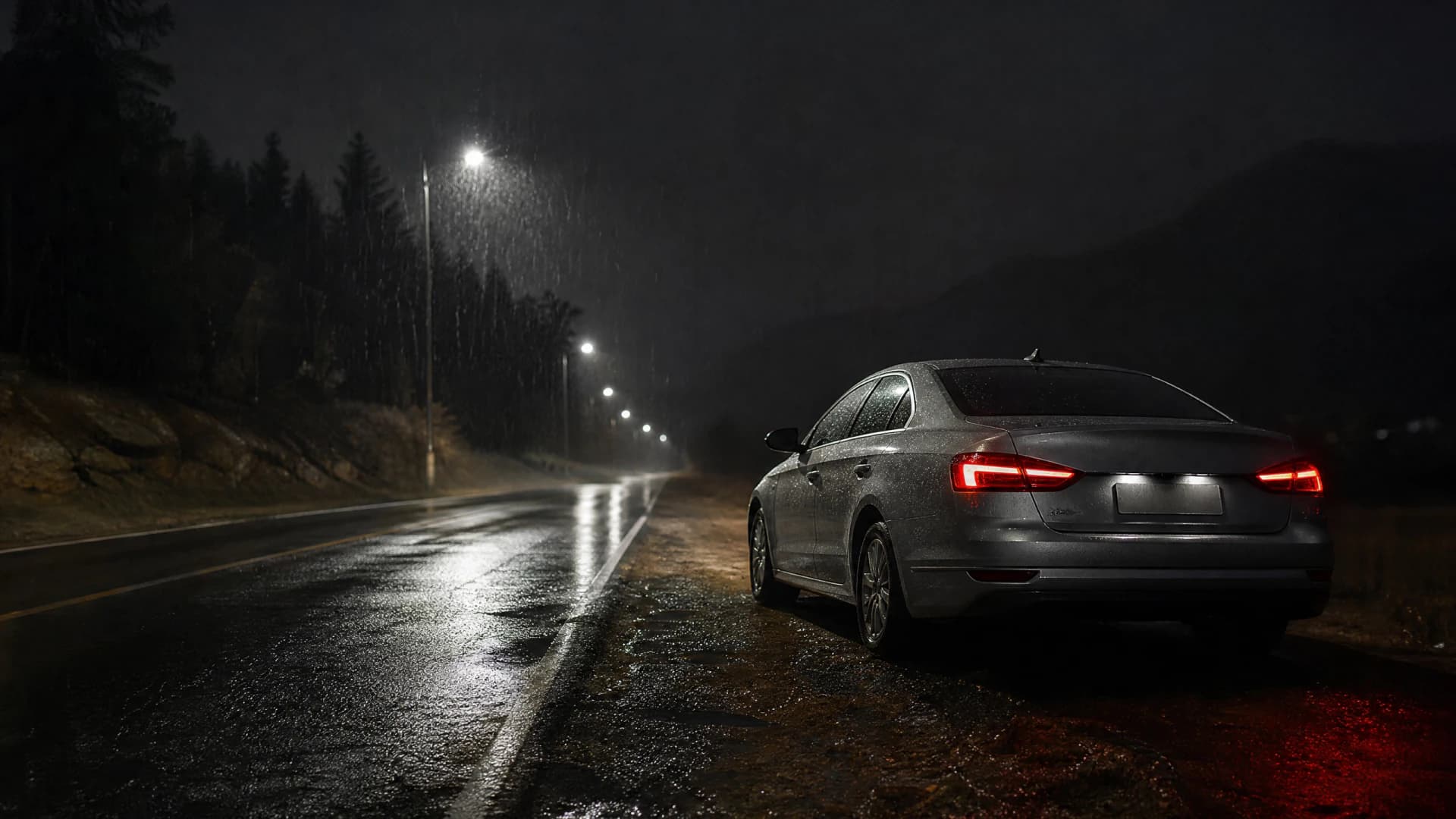
A vehicle titled to someone outside your household or garaged at a different address may not qualify for Allstate's multi-car discount, even if you're paying for the coverage.
Related Articles

Best Car Insurance for Multiple Vehicles MI
7/15/2026

State Farm Multi-Car Insurance Michigan
7/15/2026
Liberty Mutual Multi-Car Insurance Michigan
7/15/2026

National General Multi-Car Insurance Michigan
7/15/2026
Choosing Car Insurance for Multiple Vehicles
7/15/2026

State Farm Multi-Car Rates in Michigan
7/15/2026

Coverage Structure Across Multiple Vehicles
Michigan requires Personal Injury Protection on every vehicle. When you insure multiple cars on one Allstate policy, each vehicle carries its own PIP coverage. You cannot share PIP across vehicles; each car must meet the state's mandatory PIP requirement independently. Liability coverage, by contrast, applies per policy rather than per vehicle, so the $50,000 / $100,000 / $10,000 minimums cover any vehicle you drive under the policy.
Collision and comprehensive coverage are optional in Michigan and priced per vehicle. When you add a second car, you choose collision and comprehensive separately for that vehicle. Allstate does not require you to carry the same coverage levels on every car. A household with one new vehicle and one older car often carries full coverage on the new car and liability-only on the older one. This asymmetry is common and does not disqualify the policy from the multi-car discount.
Uninsured and underinsured motorist coverage is not mandatory in Michigan but is available as an optional add-on. When you add UM/UIM to a multi-car Allstate policy, it typically applies at the policy level rather than per vehicle, covering any car you drive under the policy. Verify this structure with Allstate, as some carriers price UM/UIM per vehicle instead.
22.3%
Michigan Uninsured Motorist Rate
22.3% of Michigan motorists drive without insurance. This rate is among the highest in the country and makes uninsured motorist coverage a practical consideration for households insuring multiple vehicles, even though Michigan does not mandate it.
Insurance Research Council, 2023

Comparing Allstate to Other Michigan Carriers
Allstate is one of 16 carriers writing auto insurance in Michigan that accept multi-vehicle policies. Other carriers in the state include State Farm, Geico, Progressive, Farmers, Liberty Mutual, and Nationwide. Each carrier structures the multi-car discount differently: some apply a percentage reduction per vehicle, others reduce the base premium at the policy level, and a few tier the discount based on the number of vehicles.
When comparing carriers, request quotes that include every vehicle you plan to insure on the same policy. A lower base rate with a smaller multi-car discount can produce a lower total premium than a higher base rate with a larger discount. Allstate's standard-tier positioning means it typically serves households with clean driving records and no recent violations. If your household includes a driver with a DUI, an at-fault accident, or a suspended license, carriers writing non-standard or high-risk policies may offer better rates than Allstate.
Next Step: Compare Multi-Car Quotes in Michigan
Allstate writes Michigan auto insurance for households with multiple vehicles, but the multi-car discount and policy structure vary by carrier. Request quotes from Allstate and at least two other Michigan carriers that write multi-vehicle policies. Provide the same vehicle details, driver information, and coverage levels to each carrier so the quotes reflect identical coverage. Compare the total annual premium, not just the per-vehicle cost, and verify that every vehicle qualifies for the multi-car discount under each carrier's same-policy and garaging-address rules. Use Michigan Car Insurance Requirements' comparison tool to request quotes from multiple carriers at once and see which structure fits your household's vehicles best.
Adding a Vehicle Mid-Term to Your Allstate Policy
Allstate provides a grace period during which a newly purchased vehicle is covered under your existing policy without prior notice. Michigan law does not mandate a specific grace period length, but most carriers, including Allstate, allow 14 to 30 days. You must report the new vehicle to Allstate within that window to maintain continuous coverage. If you wait beyond the grace period and file a claim on the unreported vehicle, Allstate can deny the claim.
When you report the new vehicle, Allstate recalculates your premium based on the combined risk of all vehicles on the policy. The new premium is effective immediately, not at your next renewal. You will receive a revised bill reflecting the additional vehicle and any multi-car discount that applies. The discount typically appears as a percentage reduction on each vehicle's base premium, but the exact structure varies by policy and state. Contact Allstate directly to confirm how the discount applies to your specific household before adding the vehicle.
Get Your Free Quote
Get My Michigan Car Insurance QuoteFrequently Asked Questions
Does Allstate offer a multi-car discount in Michigan?
Yes. Allstate writes multi-vehicle policies in Michigan and applies a multi-car discount when every vehicle is listed on the same policy and garaged at the same address. The discount structure varies by household, and the exact percentage is not published.
Can I add a vehicle to my Allstate policy mid-term in Michigan?
Yes. Allstate allows you to add a vehicle mid-term, typically within a 14- to 30-day grace period after purchase. When you report the new vehicle, Allstate re-rates the entire policy effective immediately, and you receive a revised premium reflecting the additional vehicle and any applicable multi-car discount.
Do all vehicles on an Allstate multi-car policy need the same coverage in Michigan?
No. Michigan requires Personal Injury Protection on every vehicle, but collision and comprehensive are optional and priced per vehicle. You can carry full coverage on one car and liability-only on another without losing the multi-car discount.
What happens if I combine two separate Allstate policies into one multi-car policy?
Allstate cancels both separate policies and issues a new multi-car policy effective the date of combination. The new policy's premium reflects the combined household risk, which can lower your total cost, but it also changes coverage effective dates and renewal timing.
Does Allstate require all vehicles to be garaged at the same address for the multi-car discount?
Typically, yes. Allstate usually requires all vehicles on a multi-car policy to share a garaging address. A car garaged at a second home, college campus, or different city may not qualify for the discount or may require a separate policy.