
Minimum vs Full Coverage — Michigan
Free to compare
What Minimum and Full Coverage Mean in Michigan
You're adding a second or third vehicle to your Michigan policy and trying to decide whether to carry minimum liability on every car or step up to full coverage on some or all of them. The decision matters more in Michigan than in most states because Michigan's minimum coverage includes mandatory Personal Injury Protection, not just liability limits.
Michigan minimum coverage means $50,000 bodily injury per person, $100,000 bodily injury per accident, and $10,000 property damage liability, plus the state-mandated PIP coverage that pays your own medical bills regardless of fault. Full coverage adds collision (pays to repair your car after an accident) and comprehensive (pays for theft, weather damage, vandalism, and animal strikes). The question for a multi-vehicle household is whether every car needs collision and comprehensive, or whether you can structure the policy with full coverage on newer vehicles and minimum coverage on older ones.
“Michigan's mandatory PIP means the cost gap between minimum and full coverage is smaller than in states where minimum liability is truly bare-bones.”

Find Coverage That Keeps You Legal in Michigan
Get My Michigan Car Insurance Quote$50,000/$100,000/$10,000
Michigan Minimum Liability
Michigan requires $50,000 bodily injury coverage per person, $100,000 per accident, and $10,000 property damage liability. Every vehicle on your policy must meet these minimums.
Michigan Secretary of State
Why Michigan Minimum Coverage Costs More Than Other States
Michigan's minimum coverage is not the cheapest option available. The mandatory PIP requirement means every policy includes medical expense coverage, which raises the floor on what minimum coverage costs. In states without mandatory PIP, minimum liability can run significantly lower because the policy only covers damage you cause to others, not your own medical bills.
This changes the math when you're deciding between minimum and full coverage across multiple vehicles. The cost gap between minimum and full coverage in Michigan is smaller than in states where minimum liability is truly bare-bones. When you're already paying for PIP on every vehicle, adding collision and comprehensive to newer cars is a smaller percentage increase than it would be in a state where minimum coverage is liability-only.
The practical implication for a household insuring two or three vehicles: you cannot save as much by dropping to minimum coverage on every car as you might expect. The PIP component stays regardless of whether you carry collision and comprehensive, so the savings from dropping full coverage apply only to the physical-damage portion of the premium.
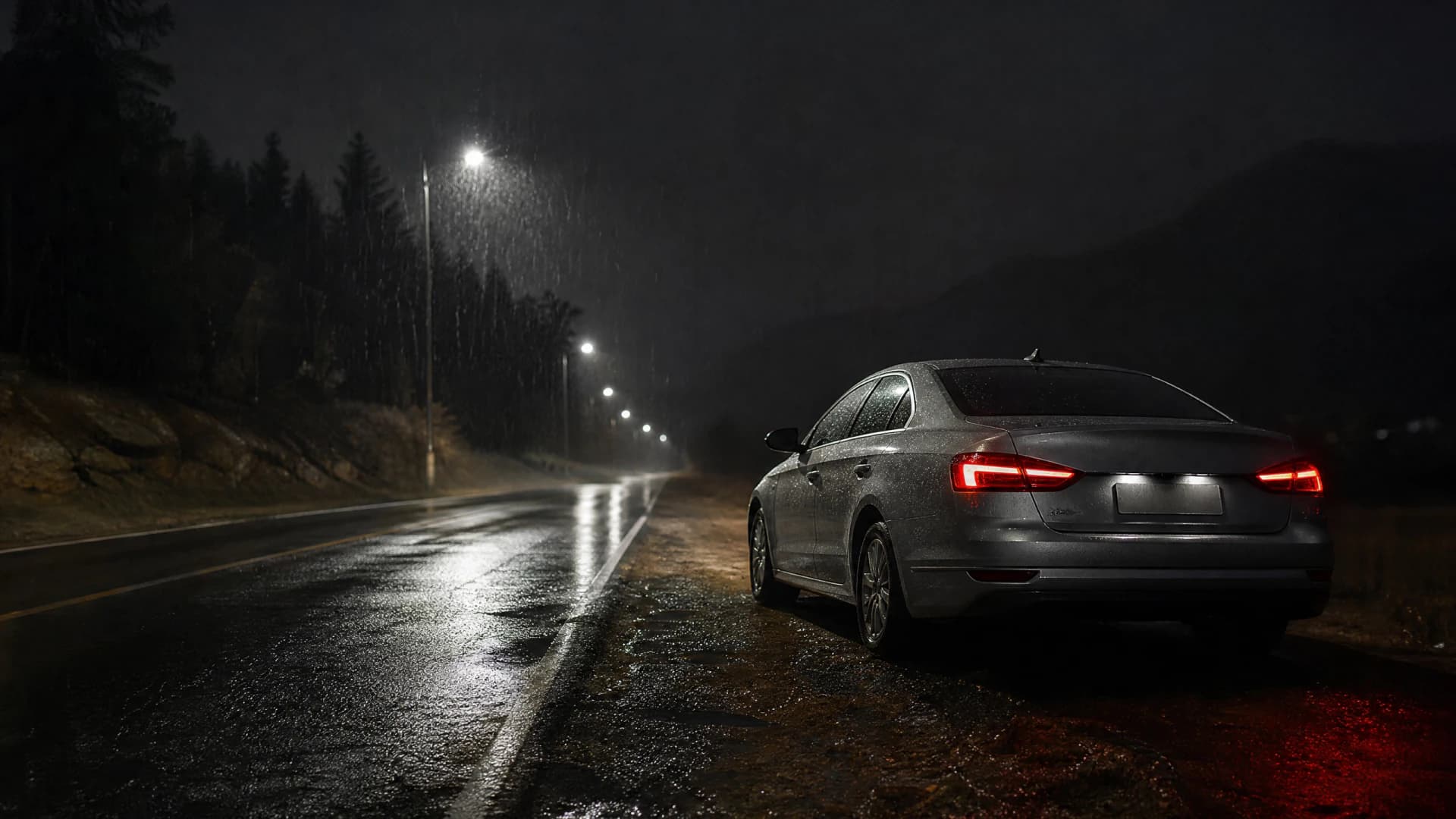
Michigan's mandatory PIP means minimum coverage is not the cheapest baseline — the cost gap between minimum and full coverage is smaller than in liability-only states.
Related Articles





How to Structure Coverage Across Multiple Vehicles
Most multi-vehicle households structure their policies with full coverage on newer or financed vehicles and minimum coverage on older vehicles they own outright. The decision point is the vehicle's value relative to the cost of collision and comprehensive coverage. If the vehicle is worth less than ten times your annual collision and comprehensive premium, you are paying more to insure the car than it is worth over the life of the policy.
A financed or leased vehicle requires full coverage because the lender holds a lien on the car and will not allow you to drop collision or comprehensive until the loan is paid off. Once you own the vehicle outright, you can drop to minimum coverage if the car's value no longer justifies the collision and comprehensive premium. For a household with three vehicles — one financed, two owned outright — a common structure is full coverage on the financed car and minimum coverage on the two older vehicles.
Carriers that write multi-vehicle policies in Michigan and offer both minimum and full coverage options include State Farm, Geico, Progressive, Farmers, Allstate, Liberty Mutual, and Nationwide. When you add a vehicle to an existing policy, the carrier re-rates the entire policy, so the cost of adding full coverage to one vehicle depends on the coverage structure across all vehicles on the policy. Compare quotes with different coverage combinations to see the actual cost difference between minimum and full coverage for your household.
22.3%
Michigan Uninsured Motorist Rate
22.3% of Michigan motorists drove uninsured in 2023. If an uninsured driver hits your vehicle, your collision coverage pays your repair bill; minimum liability does not.
Insurance Research Council

When Minimum Coverage Leaves You Paying Out of Pocket
Minimum coverage protects others from damage you cause, but it does not protect your own vehicle. If you cause an accident and damage your car, minimum coverage pays the other driver's repair bill up to your liability limits, but your own repair bill is your responsibility. If another driver hits you and they carry liability insurance, their policy pays your repair bill. If they are uninsured or underinsured, you pay your own repair bill unless you carry collision coverage or uninsured motorist property damage coverage.
Michigan's 22.3% uninsured motorist rate means roughly one in five drivers on the road has no insurance. If an uninsured driver hits your vehicle and you carry only minimum coverage, you have no insurance claim to file for your own vehicle damage. You can sue the at-fault driver, but collecting a judgment from someone who could not afford insurance is often impractical. Collision coverage eliminates this risk: your insurer pays your repair bill regardless of whether the at-fault driver has insurance, then pursues the at-fault driver for reimbursement.
Compare Carriers and Coverage Structures for Your Household
The cost difference between minimum and full coverage varies by carrier, vehicle, and driver profile. A household insuring two vehicles in Michigan should request quotes with multiple coverage structures: full coverage on both vehicles, full coverage on the newer vehicle and minimum on the older one, and minimum coverage on both. The difference in premium tells you what collision and comprehensive cost for each vehicle, and you can weigh that cost against each vehicle's value and your tolerance for out-of-pocket repair bills.
Carriers writing multi-vehicle policies in Michigan include State Farm, Geico, Progressive, Farmers, Allstate, Liberty Mutual, Nationwide, Auto-Owners, USAA (for military-affiliated households), Travelers, and Bristol West. Not every carrier offers the same multi-car discount structure, and some carriers price full coverage more competitively than others. The only way to know which combination of coverage and carrier fits your household is to compare quotes with the same coverage structure across multiple carriers. Start with the carriers listed above and request quotes for the coverage structure that matches your household's vehicle values and risk tolerance.
What Full Coverage Protects That Minimum Does Not
Collision coverage pays to repair or replace your vehicle after an accident, regardless of who was at fault. If you hit another car, a guardrail, or roll your vehicle, collision covers your repair bill minus your deductible. Minimum coverage does not include collision, so if you cause an accident and damage your own car, you pay the repair cost out of pocket. For a household with two or three vehicles, the question is whether every car needs collision or whether you can self-insure older vehicles and carry collision only on newer ones.
Comprehensive coverage pays for damage that is not collision-related: theft, vandalism, hail, flood, fire, falling objects, and animal strikes. Michigan's vehicle theft rate was 236.9 per 100,000 population in 2024, and weather events (hail, wind, ice storms) are common. Comprehensive covers these risks. Minimum coverage does not. If your vehicle is stolen or totaled by a storm and you carry only minimum coverage, you receive nothing from your insurer. For a multi-vehicle household, comprehensive is often worth carrying on every vehicle unless the car's value is low enough that you would not file a claim after a total loss.
Get Your Free Quote
Get My Michigan Car Insurance QuoteFrequently Asked Questions
Does Michigan require full coverage on all vehicles?
No. Michigan requires minimum liability ($50,000/$100,000/$10,000) and PIP on every vehicle, but collision and comprehensive are optional unless your lender requires them. You can carry minimum coverage on vehicles you own outright.
Can I carry full coverage on one vehicle and minimum on another on the same policy?
Yes. Multi-vehicle policies allow different coverage levels on each vehicle. Most households carry full coverage on newer or financed vehicles and minimum coverage on older vehicles they own outright.
What happens if an uninsured driver hits my car and I only have minimum coverage?
You pay your own repair bill. Minimum coverage does not include collision, so you have no insurance claim to file for your own vehicle damage. Collision coverage eliminates this risk by paying your repair bill regardless of the at-fault driver's insurance status.
How much does it cost to add full coverage to a second vehicle in Michigan?
The cost depends on the vehicle's value, your driving record, and the carrier. Request quotes with full coverage on both vehicles and compare the premium to a quote with minimum coverage on the second vehicle to see the actual cost difference for your household.
Do I need comprehensive coverage if my car is paid off?
Not legally, but comprehensive covers theft, weather damage, and vandalism. Michigan's vehicle theft rate was 236.9 per 100,000 in 2024. If your vehicle's value justifies the premium, comprehensive is worth carrying even after the loan is paid off.
Does the multi-car discount apply to minimum coverage policies?
Yes. The multi-car discount applies when you insure two or more vehicles on the same policy, regardless of whether you carry minimum or full coverage on each vehicle.