
Electronic Insurance Verification — Michigan
Free to compare
Michigan Verifies Insurance at Registration and Renewal
Michigan's Secretary of State queries insurance company databases in real time when you register a vehicle or renew your plate. The system checks whether an active policy covers the VIN you're registering. If no match appears, the transaction stops until you provide proof. This happens before you leave the counter or complete the online renewal, not weeks later.
The verification runs every time any vehicle in your household touches the registration system. Adding a second car triggers a fresh check. Renewing plates on your third vehicle queries all three. One lapse on one car can surface during another vehicle's routine transaction, creating a compliance problem you didn't know existed until the system flagged it.
“A lapse on one vehicle can surface when you register or renew a different vehicle, blocking the transaction until resolved.”

Find Coverage That Keeps You Legal in Michigan
Get My Michigan Car Insurance Quote$50,000 / $100,000 / $10,000
Michigan Minimum Liability Limits
Michigan requires $50,000 bodily injury per person, $100,000 per accident, and $10,000 property damage. Personal injury protection is also mandatory. Every vehicle you register must meet these minimums before the Secretary of State completes the transaction.
Michigan Vehicle Code MCL 257.520
How the Real-Time Query Works
Michigan's Secretary of State maintains direct data feeds from insurance carriers writing auto policies in the state. When you submit a registration or renewal application, the system sends your VIN and plate number to the carrier database. The carrier responds within seconds: policy active, policy lapsed, or no record found. The transaction proceeds only if the response confirms active coverage meeting state minimums.
The system does not verify coverage amounts or policy details beyond active/inactive status. It confirms that a policy exists and covers the VIN, not whether you carry collision, comprehensive, or higher liability limits. The verification is binary: insured or uninsured.
Carriers report policy changes to the state continuously. When you cancel a policy, add a vehicle, or let coverage lapse, the carrier updates the state database within 24 to 48 hours. The next time any household member interacts with the registration system, the updated status appears. This creates a narrow window where a recently-added vehicle may not yet show in the system, or a recently-canceled policy still appears active.

The system flags uninsured vehicles at registration and renewal, not during traffic stops. You won't know a vehicle is flagged until you try to register or renew another car in your household.


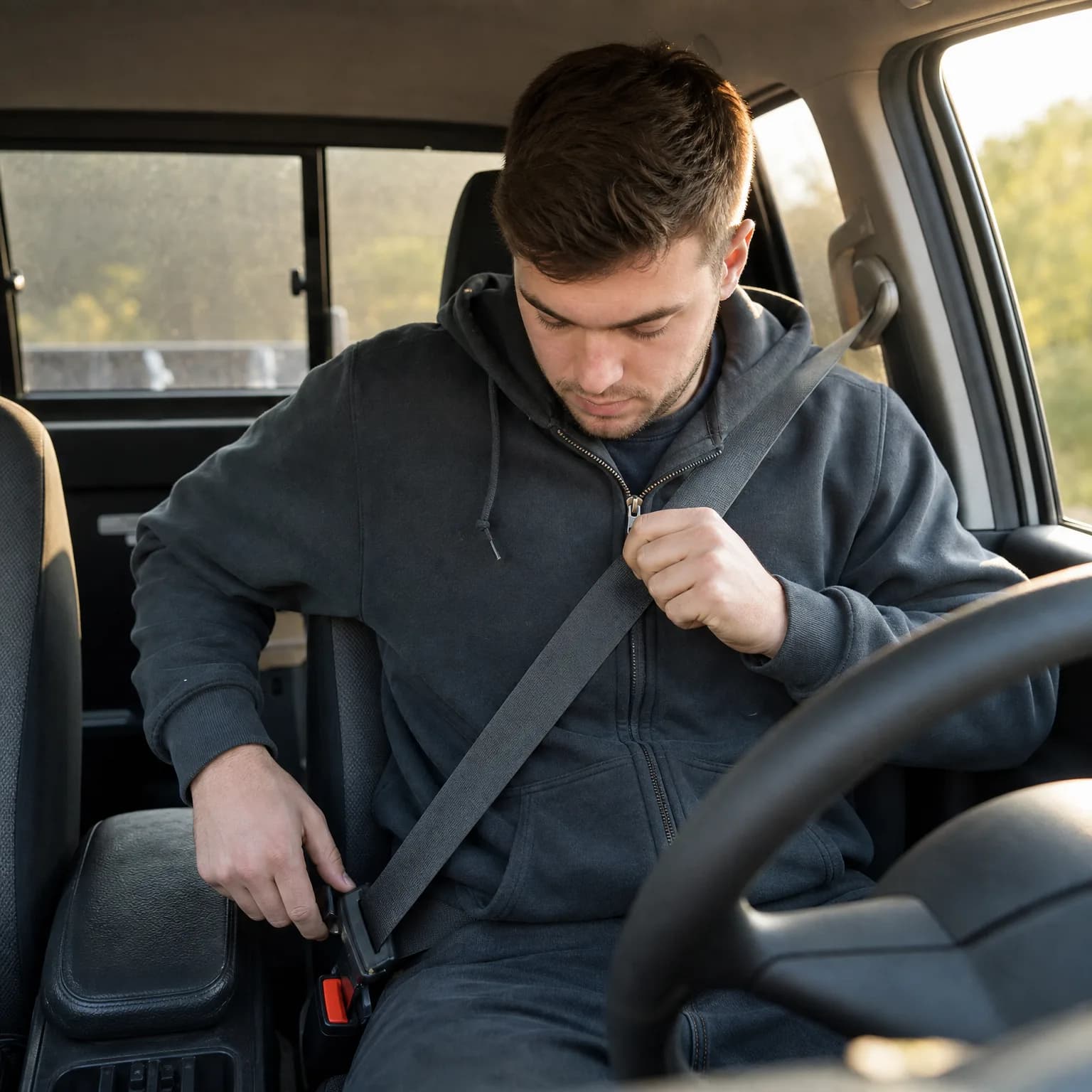




Managing Multiple Vehicles Under Electronic Verification
Households insuring multiple vehicles face compounded verification pressure. Each vehicle must maintain continuous coverage, and each registration or renewal event queries the entire household's insurance status. A lapse on one car blocks transactions on all cars until resolved. This creates a cascading compliance problem: you cannot renew the car you drive daily because the car your teenager stopped driving six months ago still appears on your registration record without active coverage.
The most common failure mode occurs when a household member buys or sells a vehicle mid-term. The buyer adds the new car to their existing policy but forgets to notify the Secretary of State. The seller cancels coverage on the old car but does not surrender the plates. Both vehicles now appear in the state's database: one insured but not yet registered, one registered but no longer insured. The next renewal on any household vehicle triggers a verification failure on the unregistered or uninsured VIN.
Preventing verification failures requires synchronizing insurance changes with registration changes. When you add a vehicle to your policy, notify the Secretary of State within the carrier's grace period. When you sell a vehicle or take it off the road, cancel the insurance and surrender the plates on the same day. The state's database updates within 48 hours; any gap between insurance cancellation and plate surrender creates a window where the vehicle appears uninsured during another household member's renewal.
22.3%
Michigan Uninsured Motorist Rate
More than one in five Michigan drivers operates without insurance. The state's electronic verification system aims to reduce this rate by flagging uninsured vehicles at registration and renewal, before they return to the road.
Insurance Research Council, 2023

Grace Periods and Carrier Reporting Delays
Michigan law does not mandate a grace period for newly-purchased vehicles, but most carriers extend coverage automatically for 7 to 30 days when you add a car to an existing policy. The grace period allows you to complete the purchase and notify the carrier without a coverage gap. However, the Secretary of State's verification system does not recognize grace periods. If you attempt to register a newly-purchased vehicle before the carrier reports the addition to the state database, the verification fails even though the vehicle is covered under your policy.
Carrier reporting delays compound this problem. Carriers update the state database in batches, typically every 24 to 48 hours. A vehicle added to your policy on Monday may not appear in the state's system until Wednesday. If you visit the Secretary of State on Tuesday, the verification query returns no record, and you must provide manual proof of insurance to complete the registration. Bringing your insurance ID card or a carrier-issued certificate eliminates this friction.
Compare Carriers That Report to Michigan's System
Not all carriers participate in Michigan's electronic verification system with equal reliability. Larger carriers with established state data feeds report policy changes faster and more accurately than smaller or regional carriers. When comparing coverage for multiple vehicles, confirm that the carrier you choose reports to Michigan's Secretary of State database and ask how quickly policy changes appear in the state system. A carrier that reports daily creates fewer verification failures than one that reports weekly. Households managing multiple vehicles benefit from carriers with real-time or near-real-time reporting, reducing the risk that a recently-added car triggers a failed verification at renewal.
What Happens When Verification Fails
If the system finds no active policy, you must provide proof of insurance before the transaction continues. Acceptable proof includes an insurance ID card showing the VIN, policy number, and coverage effective dates, or a carrier-issued certificate of insurance. The Secretary of State staff will verify the document against the carrier database. Once confirmed, the registration proceeds. You cannot complete the transaction online or at a kiosk when verification fails; you must visit a branch office with physical proof.
A lapse on one vehicle can surface when you register or renew a different vehicle. Michigan's system queries all household vehicles tied to your driver's license or address. If you let insurance lapse on a car you no longer drive, that lapse may block your attempt to renew plates on the car you do drive. The system does not distinguish between active and inactive vehicles in your household; it flags any uninsured VIN associated with your record. Resolving the flag requires either reinstating coverage on the lapsed vehicle or formally surrendering its plates to remove it from your registration record.
Get Your Free Quote
Get My Michigan Car Insurance QuoteFrequently Asked Questions
Does Michigan check insurance electronically during traffic stops?
No. Michigan's electronic verification system operates only at registration and renewal transactions, not during traffic stops. Officers verify insurance by requesting your physical or digital insurance card. The real-time database query happens at the Secretary of State, not on the roadside.
What happens if I register a car before my insurance company reports it to Michigan?
The verification will fail, and you must provide manual proof of insurance to complete the registration. Bring your insurance ID card or a carrier-issued certificate showing the VIN, policy number, and effective dates. The Secretary of State staff will verify the document and process the registration once confirmed.
Can I renew my plates online if one of my household vehicles has lapsed coverage?
No. If the verification system flags any uninsured vehicle associated with your driver's license or address, the online renewal will fail. You must resolve the lapse by reinstating coverage or surrendering the plates on the uninsured vehicle before you can renew any vehicle in your household.
How long does it take for a canceled policy to show up in Michigan's system?
Most carriers report policy cancellations to the state within 24 to 48 hours. If you cancel coverage and do not surrender the plates immediately, the vehicle will appear uninsured in the state's database within two days, potentially blocking your next registration or renewal transaction.
Do all insurance carriers report to Michigan's electronic verification system?
Most carriers writing auto insurance in Michigan participate, but reporting speed varies. Larger carriers with direct data feeds update the state database daily or in real time. Smaller or regional carriers may report less frequently, creating longer windows where recently-added vehicles do not yet appear in the system.