
Comparing Car Insurance Quotes — Michigan
Free to compare
Why Multi-Vehicle Quotes Differ From Single-Car Quotes
You own two or three cars, and you want quotes that reflect what you will actually pay to insure all of them on one policy. Most comparison tools treat each vehicle as a standalone quote, then leave you to guess how the multi-car discount applies. Michigan's mandatory Personal Injury Protection requirement and high uninsured-motorist rate make this guesswork costly: carriers price the household as a unit, not the sum of individual cars.
The multi-car discount requires every vehicle to sit on the same policy, typically garaged at the same address. Adding a second or third car re-rates the entire policy rather than simply adding a flat amount.
“Carriers price the household as a unit—adding a second car re-rates the entire policy, not just the new vehicle.”
Find Coverage That Keeps You Legal in Michigan
Get My Michigan Car Insurance Quote$50,000/$100,000/$10,000
Michigan Minimum Liability Limits
Michigan requires $50,000 bodily injury per person, $100,000 per accident, and $10,000 property damage. Personal Injury Protection is mandatory. Every vehicle on your policy must meet these minimums.
Michigan Secretary of State
What Carriers Actually Quote for Multiple Vehicles
Carriers writing multi-vehicle policies in Michigan price the household's total exposure: every driver, every vehicle, and the garaging address. The quote reflects shared liability limits across all cars, the multi-car discount, and Michigan's mandatory PIP coverage applied to each vehicle. A household with three cars and two drivers pays less per vehicle than three separate single-car policies would cost.
The comparison process requires you to provide every vehicle's VIN, every driver's license number and history, and the garaging address once. Carriers then return a single household premium covering all vehicles. Changing one vehicle—swapping a sedan for an SUV, or adding a third car mid-term—re-rates the entire policy because the liability pool and risk profile shift.
Michigan's 22.3% uninsured-motorist rate makes uninsured and underinsured motorist coverage a decision point in every multi-vehicle quote. Carriers offer it as optional coverage; declining it lowers the premium but leaves you exposed if an uninsured driver hits one of your cars.

The multi-car discount applies only when every vehicle sits on the same policy. A car titled to a household member on a separate policy does not count.

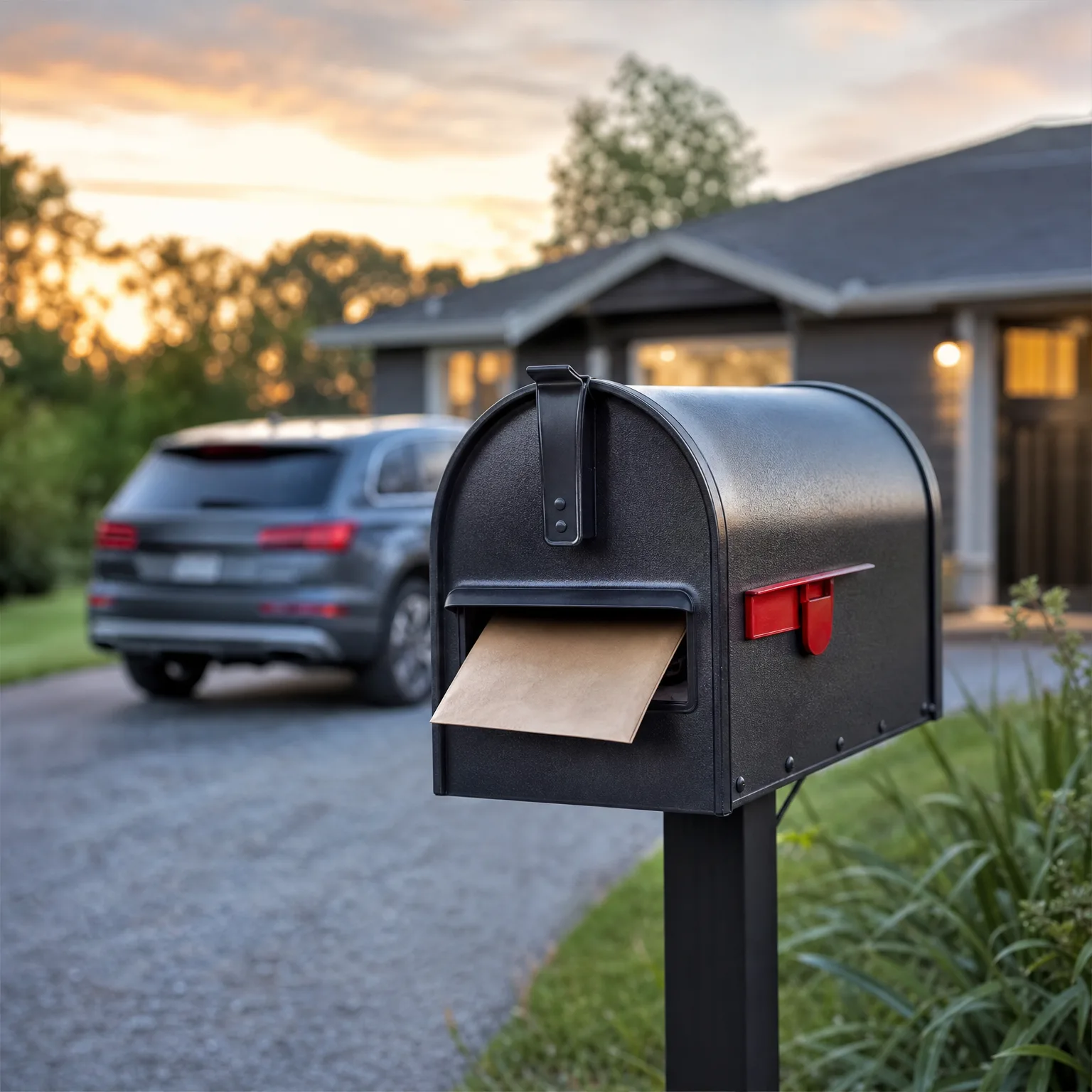

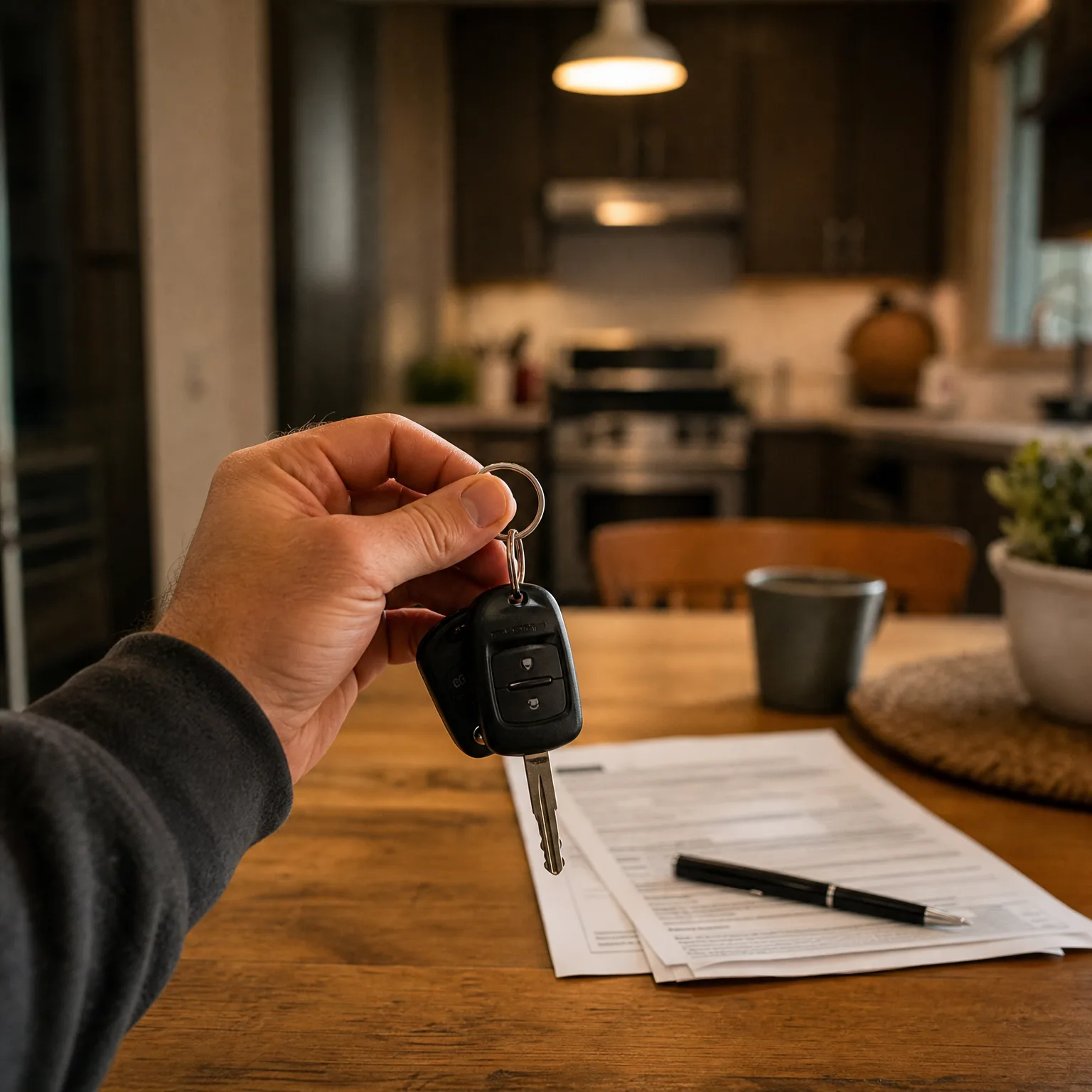
Comparing Carriers Writing Multi-Vehicle Policies in Michigan
Fifteen carriers write multi-vehicle policies in Michigan with varying appetite for households with multiple cars. State Farm, Progressive, Geico, and Allstate write standard and preferred-tier multi-vehicle policies statewide. Auto-Owners and Farmers write preferred-tier households with clean driving records. Bristol West, Direct Auto, and National General write non-standard multi-vehicle policies for households with violations or lapses.
The multi-car discount structure varies by carrier. Some apply a percentage discount to each vehicle after the first; others reduce the base premium for the household as a unit. A smaller discount on a lower base rate can beat a larger discount on a higher one, so comparing the final household premium matters more than comparing discount percentages.
Request quotes from at least three carriers writing your household's profile. A household with two cars and clean records should compare State Farm, Auto-Owners, and Progressive. A household with three cars and a recent at-fault accident should compare Geico, National General, and Bristol West. Carriers price risk differently; the lowest quote for one household is rarely the lowest for another.
22.3%
Michigan Uninsured Motorist Rate
Nearly one in four Michigan drivers operates without insurance. Uninsured motorist coverage is optional but protects your household if an uninsured driver hits one of your vehicles. Declining it lowers the premium but leaves you exposed.
Insurance Information Institute, 2023

What Changes the Quote After You Receive It
A multi-vehicle quote is valid for a limited window, typically 30 days. Adding or removing a vehicle, changing a driver, or moving the garaging address after the quote is issued requires the carrier to re-rate the policy. The new premium may be higher or lower depending on the change.
Buying a new car and adding it to the policy mid-term triggers a re-rate of the entire household. The carrier recalculates the liability pool, the multi-car discount, and the collision and comprehensive premiums for all vehicles. Most carriers provide a grace period—typically 14 to 30 days—during which a newly-purchased vehicle is automatically covered under the existing policy, but you must report the addition within that window or coverage lapses.
Compare Carriers Writing Your Household
Start with carriers writing multi-vehicle policies in Michigan that match your household's profile. Provide every vehicle's VIN, every driver's license and history, and the garaging address to each carrier. Request quotes as a single household policy, not as separate per-vehicle estimates. Compare the final household premium, the coverage limits, and the deductible options across at least three carriers. The lowest per-vehicle estimate does not always produce the lowest household total once the multi-car discount and shared liability pool are applied.
How to Structure a Multi-Vehicle Quote Request
Gather every vehicle's VIN, current odometer reading, and garaging address. Carriers use the VIN to pull the vehicle's year, make, model, and safety features; the odometer reading signals annual mileage; and the garaging address determines the rating territory. Michigan rates by ZIP code and county, so a car garaged in Detroit prices differently from one in Grand Rapids even when the owner is the same.
List every driver who will operate any of the vehicles: name, date of birth, license number, and driving history for the past three to five years. Carriers pull motor-vehicle records to verify violations, at-fault accidents, and license status. A household member with a suspended license or recent DUI shifts the risk profile and raises the premium across all vehicles, even if that driver is excluded from coverage on specific cars.
Get Your Free Quote
Get My Michigan Car Insurance QuoteFrequently Asked Questions
Do I need separate quotes for each car or one quote for all vehicles?
Request one quote covering all vehicles on a single policy. Carriers price multi-vehicle households as a unit, applying the multi-car discount and shared liability limits. Separate per-vehicle quotes do not reflect the actual household premium.
How long does a multi-vehicle quote stay valid in Michigan?
Most carriers hold a multi-vehicle quote for 30 days. Adding or removing a vehicle, changing a driver, or moving the garaging address after the quote is issued requires the carrier to re-rate the policy.
What information do carriers need to quote multiple vehicles?
Carriers need every vehicle's VIN, current odometer reading, and garaging address, plus every driver's name, date of birth, license number, and driving history for the past three to five years. Missing information delays the quote or produces an inaccurate estimate.
Does the multi-car discount apply if one vehicle is titled to someone outside the household?
The multi-car discount requires every vehicle to sit on the same policy, typically garaged at the same address. A car titled to someone outside the household or on a separate policy does not count toward the discount.
Which Michigan carriers write multi-vehicle policies for households with violations?
Bristol West, Direct Auto, and National General write non-standard multi-vehicle policies for households with violations, lapses, or suspended licenses. These carriers specialize in higher-risk households and price the entire household's exposure.
What happens if I add a car to my policy after getting a quote?
Adding a car mid-term re-rates the entire household policy. The carrier recalculates the liability pool, the multi-car discount, and the collision and comprehensive premiums for all vehicles. Most carriers provide a 14- to 30-day grace period during which the new car is automatically covered.