
Finding Affordable Multi-Car Insurance — Michigan
Free to compare
Why Multi-Car Policies Cost More in Michigan
You own two or more vehicles and Michigan's no-fault insurance system makes every policy expensive. The state mandates personal injury protection coverage on every car, and that PIP requirement drives base premiums higher than in most states. Adding a second or third vehicle feels prohibitively expensive when each car carries its own PIP charge.
The structural reality: Michigan requires $50,000/$100,000/$10,000 minimum liability limits plus mandatory PIP coverage on every registered vehicle. That PIP mandate is the cost driver. But combining multiple vehicles on one policy activates the multi-car discount, which reduces the per-vehicle premium more effectively in Michigan than in states without mandatory PIP because the discount applies to the higher base rate.
“A smaller discount on a lower base rate can beat a larger discount on a higher one.”

Find Coverage That Keeps You Legal in Michigan
Get My Michigan Car Insurance Quote$1,326.46
Michigan Average Annual Auto Expenditure
Michigan drivers paid an average of $1,326.46 per insured vehicle in 2023, reflecting the state's mandatory PIP coverage and no-fault system. Multi-car discounts reduce that per-vehicle cost when every car sits on one policy.
NAIC Auto Insurance Database Report 2023
How the Multi-Car Discount Works in Michigan
The multi-car discount requires every vehicle to sit on the same policy, issued to the same policyholder, and typically garaged at the same address. A car titled to a household member on a separate policy does not qualify. A vehicle garaged at a second address may not qualify unless the carrier permits multi-location garaging on one policy.
Michigan carriers apply the discount to the total premium after calculating PIP and liability coverage for each vehicle. Because PIP is mandatory and expensive, the discount's dollar value is larger in Michigan than in states where PIP is optional or absent. A household insuring three cars on one policy saves more in absolute dollars than a household insuring three cars separately, even though the percentage discount may be similar.
The discount applies only when you add the vehicle to an existing policy or start a new policy with multiple vehicles at once. Adding a car mid-term re-rates the entire policy, and the multi-car discount recalculates based on the new vehicle count. If you buy a second car and delay adding it to your policy, you lose the discount for the period the car sits uninsured or on a separate policy.
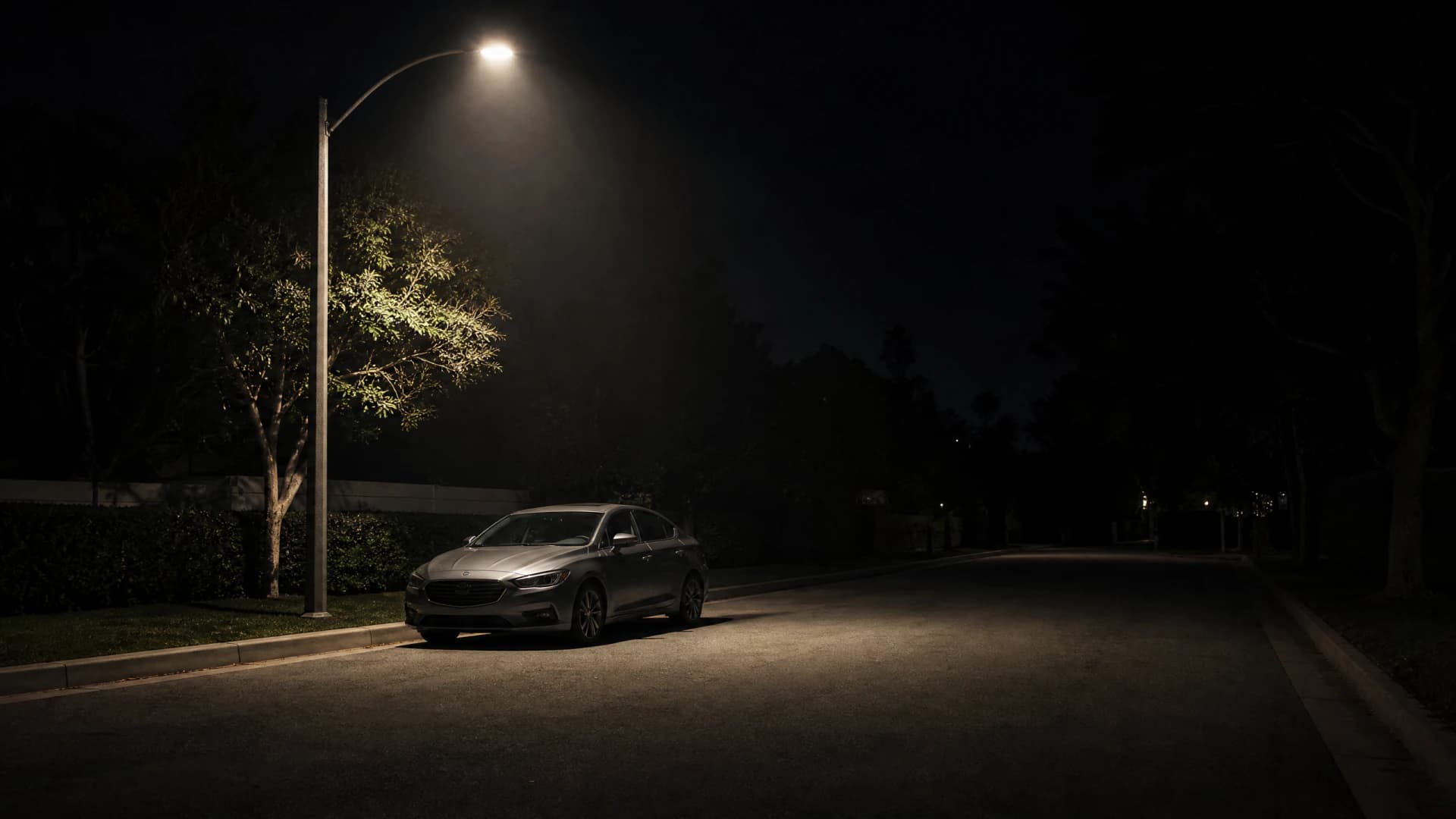
A vehicle titled to someone outside your household or garaged at a different address may not qualify for the same-policy discount, even if you own it.





When Combining Policies Saves Money
Combining two separate policies into one multi-car policy almost always reduces the total premium in Michigan because the multi-car discount applies to both vehicles and eliminates duplicate policy fees. This happens most often when two adults marry, move in together, or consolidate household vehicles after a divorce or separation.
The savings calculation depends on each vehicle's current premium and the carrier's multi-car discount structure. A smaller discount on a lower base rate can beat a larger discount on a higher one, so compare the combined premium across multiple carriers rather than assuming your current carrier offers the best combined rate. Request quotes from at least three carriers that write multi-car policies in Michigan and compare the total annual premium, not just the per-vehicle rate.
Combining policies mid-term triggers a re-rating of both vehicles. The new policy's effective date becomes the date you add the second vehicle, and the carrier prorates any unused premium from the canceled policies. Some carriers charge a policy change fee when you combine mid-term; others waive it if you add the vehicle within the same term. Ask before combining whether the carrier charges a fee and whether waiting until renewal saves money.
22.3%
Michigan Uninsured Motorist Rate
Nearly one in four Michigan drivers operates without insurance, the highest uninsured rate among Great Lakes states. Multi-car households benefit from uninsured motorist coverage on every vehicle, which protects against collisions with uninsured drivers.
Insurance Research Council 2023

Adding a Vehicle Mid-Term
Michigan carriers give you a grace period to report a newly purchased or acquired vehicle before coverage lapses. Most carriers extend your existing policy's coverage to the new vehicle for 14 to 30 days, but only if you already insure at least one vehicle with that carrier. If you miss the grace window, the new vehicle sits uninsured, and a collision during that gap is not covered.
Adding the vehicle within the grace period activates the multi-car discount retroactively to the purchase date. Adding it after the grace period expires means you pay full premium for the gap period and the discount applies only from the date you report the vehicle. Call your carrier the day you buy the car and provide the VIN, purchase date, and garaging address. The carrier re-rates your policy immediately and emails updated declarations showing the new vehicle and the recalculated multi-car discount.
Compare Carriers That Write Your Household
Not every carrier accepts every household structure. Some carriers restrict multi-car policies to households where every vehicle is titled to the same person. Others accept vehicles titled to different household members as long as everyone lives at the same address. A few carriers write policies covering vehicles garaged at two addresses if both addresses belong to the policyholder.
Start by identifying which carriers write policies for your specific household structure. If you own three vehicles titled to two different people, ask each carrier whether they accept that configuration on one policy. If one spouse has a violation and the other does not, ask whether the carrier will issue one policy covering both drivers and all vehicles, or whether they require separate policies. The answer determines which carriers you can compare and whether combining policies is possible at all.
Which Carriers Write Multi-Car Policies in Michigan
State Farm, Geico, Progressive, Allstate, and Farmers write multi-car policies statewide and offer online quoting tools that calculate the multi-car discount automatically. Auto-Owners and Automobile Club Michigan write preferred-tier multi-car policies but require broker contact or membership for quoting. USAA writes multi-car policies for military-affiliated households and offers online quoting with immediate discount calculation.
Bristol West, Direct Auto, and National General write non-standard multi-car policies for households with violations, lapses, or high-risk drivers. These carriers accept multiple vehicles on one policy but may restrict the discount or require higher down payments. Liberty Mutual, Hartford, Nationwide, Travelers, and Amica write standard multi-car policies with competitive discounts but vary in their acceptance of high-mileage vehicles or older cars.
Get Your Free Quote
Get My Michigan Car Insurance QuoteFrequently Asked Questions
Does Michigan require the same coverage on every car in a multi-car policy?
Michigan requires $50,000/$100,000/$10,000 minimum liability and mandatory PIP on every registered vehicle, but you can choose different collision and comprehensive deductibles for each car. Older or rarely-driven vehicles often carry liability and PIP only, while newer cars carry full coverage.
Can I insure two cars on one policy if they are titled to different people?
Most Michigan carriers allow it if both people live at the same address and are listed as drivers on the policy. Some carriers require the policyholder to be the primary driver of at least one vehicle. Ask the carrier whether they accept your specific household structure before quoting.
How much does the multi-car discount save in Michigan?
The discount's dollar value varies by carrier and household, but it applies to Michigan's higher base premiums driven by mandatory PIP coverage. Combining three vehicles on one policy typically reduces the total annual premium compared to three separate policies, even if the percentage discount is modest.
What happens if I add a car mid-term and miss the grace period?
The new vehicle sits uninsured until you report it, and any collision during that gap is not covered. The multi-car discount applies only from the date you add the vehicle, not retroactively. Report new vehicles within your carrier's grace window to avoid coverage gaps.
Do I need uninsured motorist coverage on a multi-car policy in Michigan?
Michigan does not require uninsured motorist coverage, but 22.3% of Michigan drivers operate without insurance. Adding UM coverage to every vehicle on your multi-car policy protects you against collisions with uninsured drivers and costs less per vehicle when bundled.