
Multi-Car Coverage Mechanics — Michigan
Free to compare
Michigan Multi-Vehicle Households Face a PIP Structure Problem
You own two cars. You carry Michigan's required personal injury protection on both. You assumed the multi-car discount would save money by combining them on one policy. What you did not expect: Michigan prohibits PIP stacking, which means you cannot collect PIP benefits from both vehicles in the same accident. You are paying for duplicate PIP coverage that will never pay simultaneously.
Michigan's no-fault system requires PIP on every registered vehicle, but the state's anti-stacking rule means only one PIP policy pays per accident regardless of how many vehicles you own. Multi-car households structure coverage around this reality — understanding which vehicle carries the primary PIP election, whether to coordinate PIP across vehicles, and how the multi-car discount applies when every car must meet Michigan's $50,000 bodily injury per person, $100,000 per accident, and $10,000 property damage minimums.
“Michigan prohibits PIP stacking — only one PIP policy pays per accident regardless of how many vehicles you own.”

Find Coverage That Keeps You Legal in Michigan
Get My Michigan Car Insurance Quote$50,000/$100,000/$10,000
Michigan Liability Minimums
Every vehicle registered in Michigan must carry at least $50,000 bodily injury per person, $100,000 per accident, and $10,000 property damage. PIP is mandatory on top of these limits.
Michigan Secretary of State vehicle code
PIP Anti-Stacking Means One Policy Pays Per Accident
Michigan law prohibits collecting PIP benefits from multiple vehicles in the same household for a single accident. If you carry PIP on three cars and are injured in one of them, only one PIP policy responds. The other two PIP coverages sit idle. This is not a carrier rule — it is Michigan statute.
The structural consequence: multi-car households pay for PIP on every vehicle but can only use one PIP election per accident. You cannot add the PIP limits together. You cannot file claims against both vehicles' policies simultaneously. The anti-stacking rule forces a choice — either accept that you are paying for redundant PIP across multiple vehicles, or structure your PIP elections to minimize duplication while meeting the state's mandatory PIP requirement.
Most carriers writing Michigan auto insurance require you to elect the same PIP level across every vehicle on the same policy. If you choose unlimited PIP on one car, you typically must choose unlimited PIP on all cars. This locks in the duplication. A household with three vehicles and unlimited PIP on each pays three times for coverage that will only respond once per accident.
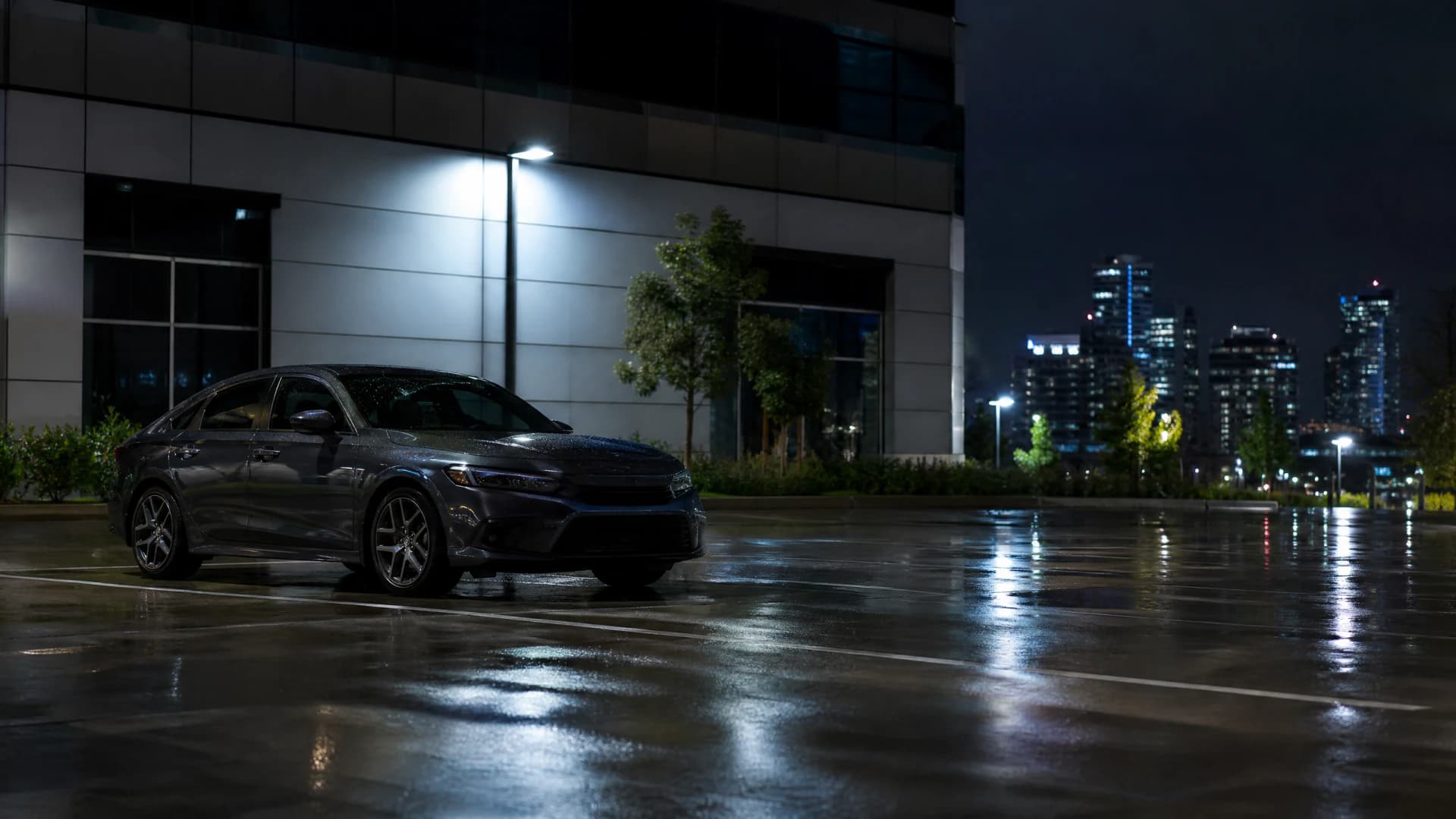
Michigan's anti-stacking rule means PIP on your second and third vehicles will never pay simultaneously with PIP on your first vehicle in the same accident.
Related Articles
Multi-Car Insurance Requirements Michigan
7/15/2026
Moving to Michigan Car Insurance Rate Impact
7/15/2026
Michigan Financial Responsibility Multi-Car
7/15/2026

Michigan Minimum Liability Coverage Limits
7/15/2026
Michigan PIP Coverage Explained
7/15/2026
Switching Car Insurance When Moving to Michigan
7/15/2026
Coordinating PIP Elections Across Multiple Vehicles
Michigan allows PIP coordination with health insurance. If you carry qualifying health coverage, you can elect a lower PIP level and let your health plan pay first. This coordination option applies per vehicle. A household with three cars can coordinate PIP on all three, reducing the base premium the multi-car discount applies to.
The coordination election must be consistent across all vehicles on the same policy with most carriers. If you coordinate PIP on one vehicle, you coordinate on all. If you reject coordination on one, you reject it on all. This all-or-nothing structure prevents households from mixing coordinated and non-coordinated PIP elections on the same policy.
Households without qualifying health coverage cannot coordinate. The anti-stacking rule still applies. Only one PIP policy pays per accident regardless of the election level or coordination status.
22.3%
Michigan Uninsured Motorist Rate
More than one in five Michigan drivers operate without insurance. Multi-vehicle households carrying only state minimums face significant exposure when an uninsured driver causes an accident involving one of their cars.
Insurance Research Council, 2023
Liability Coverage Across Multiple Vehicles on One Policy
Michigan's $50,000/$100,000/$10,000 minimums apply per vehicle. A household with three cars on one policy must carry at least these limits on each vehicle. The liability coverage does not stack — if two of your vehicles are involved in the same accident, the per-accident limit applies once, not twice.
Increasing liability limits above the state minimums costs less per vehicle when you carry multiple cars on one policy. The multi-car discount applies to the higher-limit premium, compounding the per-vehicle savings.
Compare Carriers Writing Michigan Multi-Vehicle Policies
Fifteen carriers write multi-vehicle policies in Michigan, including Allstate, Auto-Owners, Farmers, Geico, Liberty Mutual, Nationwide, Progressive, State Farm, and USAA. Each applies the multi-car discount differently. Some discount the second vehicle more heavily. Others spread the discount evenly across all vehicles. The base premium before the discount varies by carrier, which means a smaller discount on a lower base rate can produce a lower total premium than a larger discount on a higher base.
Michigan's mandatory PIP requirement amplifies carrier-to-carrier premium differences. A carrier with a lower PIP base rate produces larger dollar savings when you add a second or third vehicle, even if the multi-car discount percentage is identical to a competitor's. Request quotes from at least three carriers writing Michigan auto insurance and compare the total household premium after the multi-car discount, not the discount percentage alone. The household's total annual cost matters more than the per-vehicle breakdown.
How the Multi-Car Discount Applies to Michigan Policies
The discount applies to the combined policy premium, not to individual vehicles. Adding a second car does not cut the first car's premium in half — it reduces the total household premium by a percentage that varies by carrier. The discount grows as you add vehicles, but the incremental savings shrink with each additional car. A household with four vehicles sees a smaller per-vehicle discount on the fourth car than on the second.
Michigan's mandatory PIP requirement means the multi-car discount applies to a base premium that includes PIP on every vehicle. If you elect unlimited PIP, the discount applies to a higher base. If you elect the state minimum PIP, the discount applies to a lower base. The discount percentage stays the same, but the dollar savings change because the base premium changes. Structuring PIP elections across multiple vehicles determines the base the discount acts on.
Get Your Free Quote
Get My Michigan Car Insurance QuoteFrequently Asked Questions
Does Michigan require PIP on every vehicle I own?
Yes. Michigan requires PIP on every registered vehicle. You cannot register a car without proof of PIP coverage. The anti-stacking rule means only one PIP policy pays per accident, but the state still mandates PIP on each vehicle.
Can I carry different PIP levels on different cars in Michigan?
Most Michigan carriers require the same PIP election across all vehicles on one policy. If you elect unlimited PIP on one car, you must elect unlimited on all cars. Mixing PIP levels typically requires separate policies.
How does the multi-car discount apply to Michigan PIP premiums?
The multi-car discount applies to the total policy premium, including PIP. If you elect unlimited PIP on three vehicles, the discount applies to the combined unlimited-PIP base premium. Lower PIP elections reduce the base the discount acts on.
What happens if I add a third vehicle to my Michigan policy mid-term?
Adding a vehicle mid-term re-rates the entire policy. The carrier recalculates the multi-car discount based on three vehicles instead of two and adjusts your premium for the remainder of the term. You pay the prorated difference immediately.
Can I insure two cars on separate policies to avoid PIP duplication?
Yes, but you lose the multi-car discount. Separate policies mean separate premiums with no multi-vehicle discount applied. You still pay for PIP on both vehicles, and the anti-stacking rule still applies if both policies are in the same household.
Does Michigan allow me to drop PIP if I have health insurance?
No. Michigan requires PIP on every vehicle. You can coordinate PIP with qualifying health insurance to reduce your PIP election level, but you cannot drop PIP entirely. Coordination lets your health plan pay first, lowering your PIP premium.