
What Michigan's Financial Responsibility Law Actually Requires
Michigan's financial responsibility law requires two separate coverage layers: bodily injury and property damage liability insurance, plus mandatory personal injury protection (PIP) coverage. You cannot register a vehicle or legally drive in Michigan without both. The liability minimums are $50,000 per person for bodily injury, $100,000 per accident for bodily injury, and $10,000 for property damage. The PIP requirement sits on top of those minimums and covers your own medical expenses regardless of who caused the crash.
This two-layer structure confuses drivers moving from states where liability insurance alone satisfies the law. In Michigan, meeting the liability minimums does not mean you've met the financial responsibility requirement — you also need PIP coverage active on every registered vehicle. The state does not offer a liability-only compliance path for standard passenger vehicles.
Compare car insurance rates in your state
Get quotes from licensed carriers — no obligation, no spam, results in minutes.
Get Your Free QuoteMichigan Liability Minimums
$50,000/$100,000/$10,000
These are the minimum bodily injury and property damage liability limits required by Michigan law. The first number covers bodily injury per person, the second covers bodily injury per accident, and the third covers property damage per accident.
Michigan Vehicle Code
How No-Fault PIP Changes the Compliance Picture
Michigan operates under a no-fault insurance system, which means your own insurance pays your medical bills after a crash regardless of who was at fault. Personal injury protection (PIP) is the coverage that delivers this benefit, and state law mandates it on every registered vehicle. You choose your PIP coverage level when you buy your policy — unlimited medical coverage, or a capped amount tied to other health insurance you carry.
The no-fault structure removes medical costs from the liability claim process in most crashes. Your liability coverage still pays for the other driver's property damage and, in limited circumstances, their bodily injury when your fault is clear. But your own medical bills flow through your PIP coverage first. This is why Michigan requires both: liability protects others, PIP protects you.
Drivers with qualifying health insurance can opt for lower PIP limits to reduce premium costs. The law allows you to select coverage levels below unlimited if you have Medicare, Medicaid, or qualifying private health insurance that covers auto accident injuries. Your insurer will ask for proof of that coverage when you select a reduced PIP limit.
You cannot register a vehicle in Michigan without active PIP coverage. Liability-only policies do not satisfy the state's financial responsibility law for standard passenger vehicles.
Proof of Insurance and Enforcement
Acceptable proof includes your insurance card (paper or electronic), a policy declaration page showing active coverage, or a digital insurance card displayed on your phone. The proof must show your name, the vehicle identification number, the policy number, and the coverage period. Officers and accident investigators verify that both liability and PIP coverage are active. Expired cards or cards showing lapsed coverage do not satisfy the requirement.
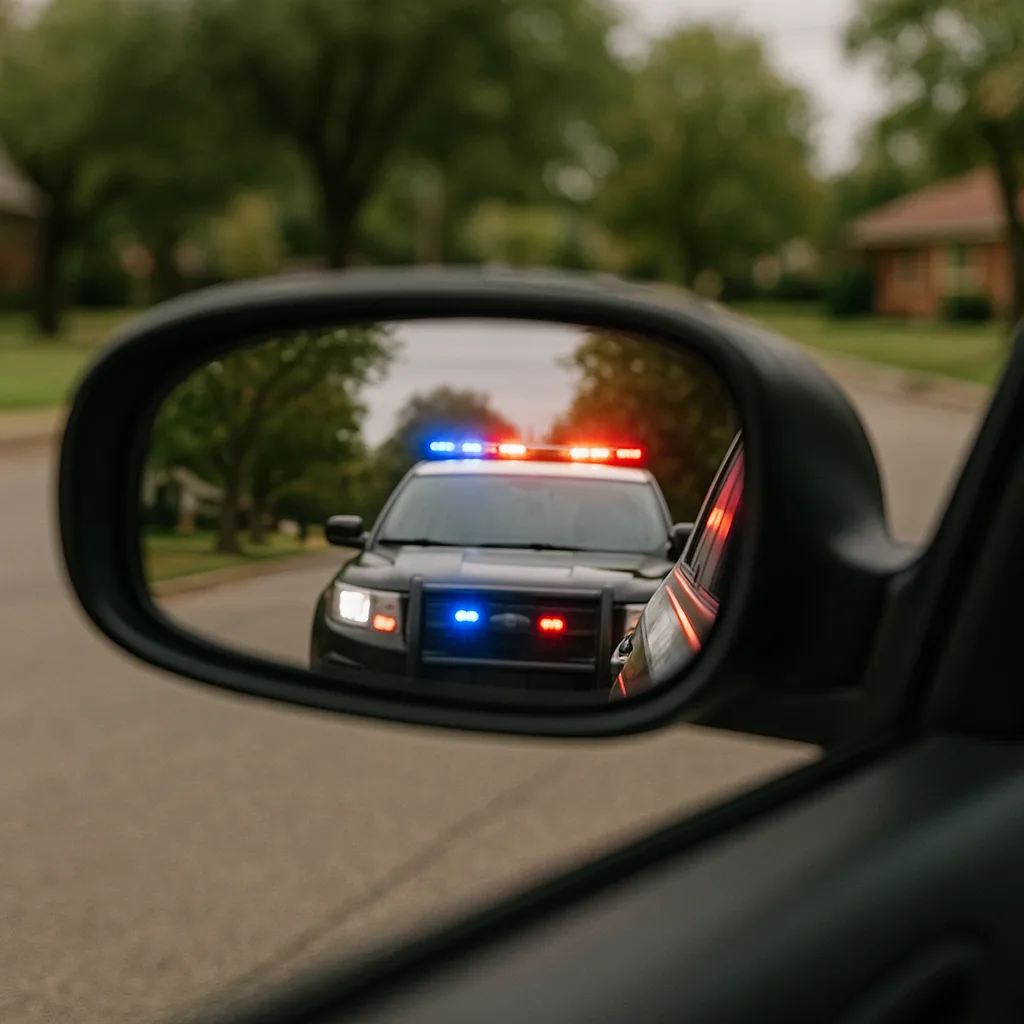
Driving without proof of insurance is a civil infraction in Michigan. If you cannot produce proof during a stop, you may receive a ticket even if you actually have coverage. You can resolve the ticket by showing proof to the court that coverage was active on the date of the stop.
Related Articles

What Happens When You Drive Without Required Coverage
Michigan suspends your driver's license and vehicle registration if you allow your insurance to lapse while a vehicle remains registered in your name. The Secretary of State receives electronic notice from insurers when policies cancel or lapse, and the suspension process begins automatically. You cannot legally drive during the suspension period, and your vehicle registration becomes invalid.
The reinstatement fee applies per suspension event, not per vehicle.
Driving during a suspension compounds the problem. A conviction for driving while license suspended adds points to your record, extends the suspension period, and may require a formal hearing with the Office of Hearings and Administrative Oversight (OHAO) before you can regain driving privileges. Some drivers in this position need restricted licenses with ignition interlock devices installed on every vehicle they operate.
Michigan License Reinstatement Fee
This is the base fee to restore your driver's license after a suspension triggered by driving without insurance. The fee applies once per suspension event, not per vehicle.
Michigan Secretary of State
How the Law Applies to Households With Multiple Vehicles
Every vehicle registered in Michigan must carry its own liability and PIP coverage. You cannot register one vehicle with insurance and leave others uninsured — each vehicle needs active coverage listed on a policy. Most households with multiple vehicles place all cars on a single policy, which simplifies compliance and often reduces the combined premium through multi-vehicle discounts.
When you add a vehicle to your household, you must add it to your insurance policy before or immediately after registration. Michigan law allows a brief grace period for newly purchased vehicles if you already insure at least one vehicle, but the grace period is short and varies by carrier. Notify your insurer as soon as you buy or acquire a vehicle to avoid a lapse in coverage that triggers suspension.
Compare Carriers That Write Michigan No-Fault Coverage
Not every carrier writes policies in Michigan, and those that do may offer different PIP options, liability limits above the minimums, and pricing structures. Comparing quotes from multiple carriers helps you find a policy that meets the state's financial responsibility requirements at a price that fits your household budget. Carriers writing Michigan coverage include State Farm, Geico, Progressive, Farmers, Allstate, Auto-Owners, and others licensed in the state.
When you request quotes, confirm that each quote includes the required liability minimums and PIP coverage. Ask about higher liability limits if you own assets worth protecting beyond the minimums, and confirm which PIP coverage level fits your health insurance situation. Carriers that write policies for households with multiple vehicles often apply multi-vehicle discounts automatically when you insure more than one car on the same policy.