
Medical Payments Coverage — Michigan
Free to compare
Michigan Eliminated MedPay in 2019
Michigan does not offer medical payments coverage. The state abolished MedPay when it restructured its personal injury protection system in 2019. If you're comparing policies or moving from a state where MedPay is a common optional coverage, you won't find it on a Michigan policy.
What Michigan requires instead is PIP — personal injury protection — and it's mandatory for every vehicle on your policy. PIP covers medical expenses, wage loss, and rehabilitation costs after an accident, regardless of fault. It replaced MedPay entirely and operates under different rules, different coverage limits, and different coordination with health insurance.
“Michigan abolished MedPay in 2019 — PIP replaced it with a mandatory system that covers every vehicle on your policy at the same level.”

Find Coverage That Keeps You Legal in Michigan
Get My Michigan Car Insurance Quote$50,000 / $100,000 / $10,000
Michigan Minimum Liability Limits
Michigan requires $50,000 bodily injury per person, $100,000 per accident, and $10,000 property damage. These limits apply to injuries and damage you cause to others — they do not cover your own medical bills.
Michigan Department of Insurance and Financial Services
PIP Replaced MedPay With Mandatory First-Party Coverage
PIP is first-party coverage: it pays your medical bills and lost wages after an accident, no matter who caused it. MedPay in other states is typically a small optional coverage — $1,000 to $10,000 — that supplements health insurance. Michigan's PIP is mandatory, much larger, and structured to coordinate with your health insurance plan.
Since 2019, Michigan drivers choose their PIP level at policy purchase. The options range from unlimited lifetime medical coverage down to a $50,000 cap, or opting out entirely if you qualify through Medicaid or other government health coverage. Every vehicle on your policy must carry the same PIP level.
If you insure multiple vehicles, you cannot mix PIP levels across cars. The household picks one level and it applies to every vehicle on the policy. This matters when you're adding a car or combining policies after marriage — the PIP election governs the entire policy, not individual vehicles.
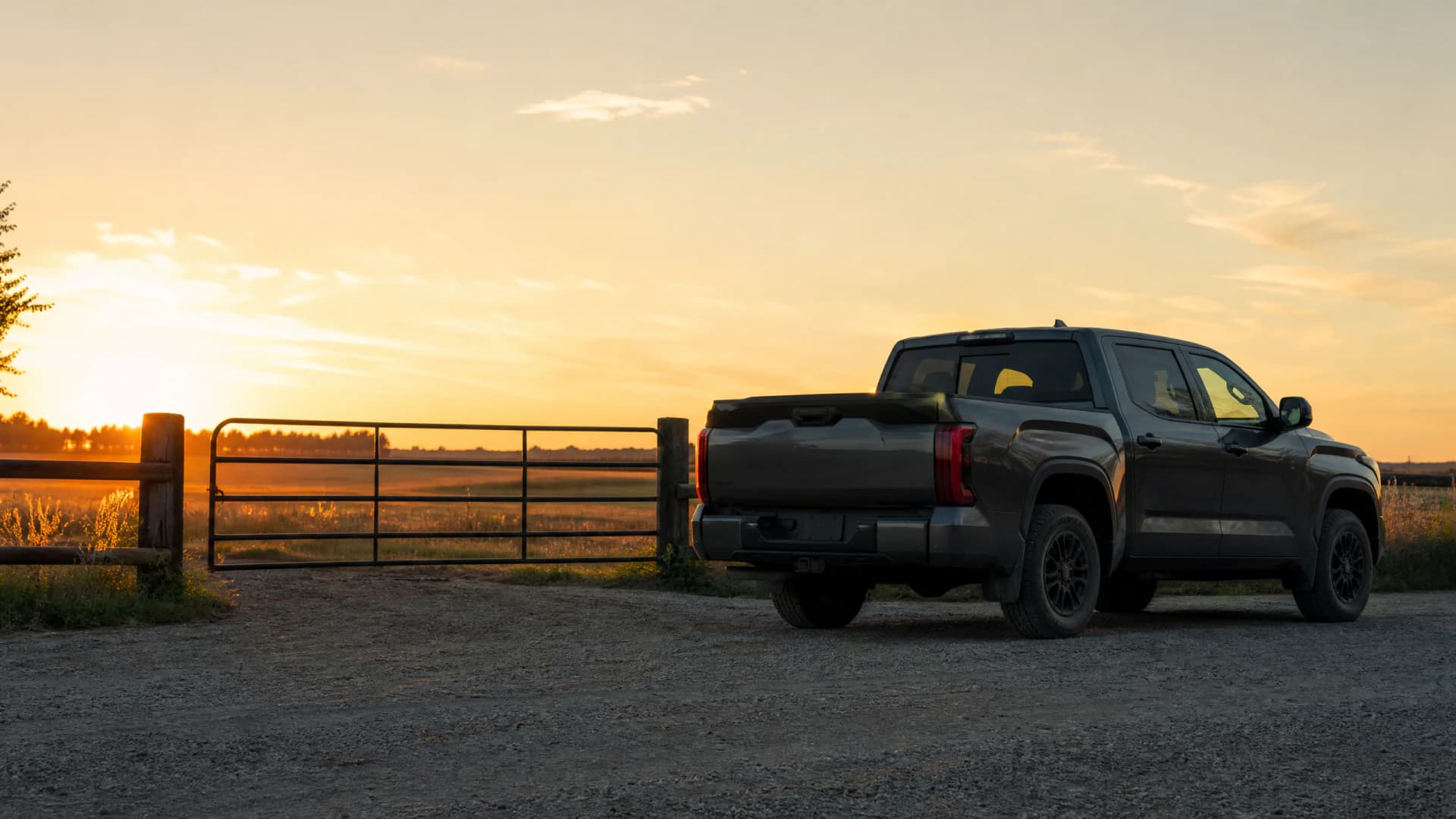
Michigan PIP is mandatory and applies to every vehicle on your policy at the same coverage level. You cannot opt for PIP on one car and skip it on another.




What Happens When You Add a Vehicle
Adding a vehicle to an existing Michigan policy does not change your PIP election. The new car inherits the PIP level already on the policy. If you're carrying unlimited PIP on two vehicles and you add a third, the third vehicle automatically gets unlimited PIP — you cannot downgrade just the new car.
If you want to change your PIP level when adding a vehicle, you must change it for the entire policy. That triggers a re-rate across all vehicles. Some carriers allow PIP changes at renewal only; others permit mid-term adjustments. Check with your carrier before assuming you can lower PIP when adding a car.
Households combining policies after marriage or a move face the same rule. The carrier will re-rate the entire household at the chosen PIP tier. The lower-PIP policy does not stay at its original level when merged.
22.3%
Michigan Uninsured Motorist Rate
More than one in five Michigan drivers operates without insurance. Uninsured motorist coverage is optional in Michigan, but it protects you when an at-fault driver has no coverage and your PIP cap is exhausted.
Insurance Research Council, 2023

Liability Limits Cover Others, Not You
Michigan's minimum liability limits — $50,000 per person, $100,000 per accident for bodily injury, and $10,000 for property damage — cover injuries and damage you cause to others. They do not pay your medical bills. PIP handles your own medical expenses.
If you're moving from a state where MedPay supplemented liability coverage, understand that Michigan's structure separates the two completely. Liability pays the other driver's bills when you're at fault. PIP pays your bills regardless of fault. There is no optional medical coverage that sits between them the way MedPay does in other states.
Compare PIP Tiers Across Carriers
PIP premiums vary significantly by carrier and by the level you choose. For households with multiple vehicles, the PIP election is the largest single driver of premium differences between quotes.
Carriers writing multi-vehicle policies in Michigan include Allstate, Auto-Owners, Farmers, Geico, Liberty Mutual, Nationwide, Progressive, State Farm, and USAA. Each prices PIP tiers differently. Some offer deeper multi-car discounts at higher PIP levels; others price lower PIP more competitively. Request quotes at multiple PIP tiers to see how the household's total premium changes with each election. The right PIP level depends on your health coverage, your household's medical cost tolerance, and whether you're willing to let health insurance become primary above a PIP cap.
How PIP Coordinates With Health Insurance
If you choose unlimited PIP or a high limit, PIP typically pays first and your health insurance does not apply to auto accident injuries. Drivers with qualifying health coverage can opt out of PIP entirely, in which case health insurance becomes primary for auto accident injuries.
For households with multiple vehicles, the PIP coordination decision is policy-wide. If one household member has Medicare and another has private insurance, the policy still requires one PIP election that applies to everyone. Carriers will ask about household health coverage at quote time to determine eligibility for lower PIP tiers or opt-out.
Get Your Free Quote
Get My Michigan Car Insurance QuoteFrequently Asked Questions
Can I buy medical payments coverage in Michigan?
No. Michigan eliminated medical payments coverage in 2019 when it restructured PIP. Every Michigan policy must carry PIP instead, which covers medical expenses, wage loss, and rehabilitation after an accident regardless of fault.
Does Michigan require PIP on every vehicle I own?
Yes. PIP is mandatory for every vehicle on your Michigan policy, and all vehicles must carry the same PIP level.
What PIP level should I choose for a multi-car household?
Choose based on your household's health insurance coverage and medical cost tolerance. If you prefer PIP to pay first with no health insurance coordination, choose unlimited. Request quotes at multiple tiers to compare total premium across all vehicles.
Can I opt out of PIP in Michigan?
Only if you qualify through Medicaid, Medicare, or certain other government health coverage programs. If you opt out, your health insurance becomes primary for auto accident injuries. Most households with private health insurance cannot opt out.
Does PIP cover passengers in my vehicle?
Yes. Michigan PIP covers the driver and all passengers in your vehicle, regardless of who caused the accident. Each injured person's PIP claim is subject to the policy's chosen coverage limit.
What happens to my PIP level when I add a car mid-term?
The new vehicle inherits the PIP level already on your policy. If you want to change PIP when adding a car, you must change it for the entire policy, which triggers a re-rate across all vehicles. Some carriers allow mid-term PIP changes; others restrict changes to renewal.