
Cheapest Car Insurance in Michigan — Multi-Car Households
Free to compare
Why the Cheapest Carrier Changes When You Add a Second Car
You found a carrier that quoted you a reasonable rate for your first car. Now you're adding a second vehicle to the policy and the premium jumped more than you expected. The carrier that was cheapest for one car is no longer cheapest for two, and you need to understand why before you commit.
Michigan's mandatory Personal Injury Protection and property-protection coverage requirements create a structural quirk: carriers price the multi-car discount differently because the base coverage stack is heavier than in most states. A carrier offering a small discount on a low base rate can beat a carrier advertising a larger discount on a higher base. The only way to know which is cheapest for your household is to compare the total premium after every vehicle is added, not the advertised discount percentage.
“A carrier offering a small discount on a low base rate can beat a carrier advertising a larger discount on a higher base.”
Find Coverage That Keeps You Legal in Michigan
Get My Michigan Car Insurance Quote$50,000 / $100,000 / $10,000
Michigan Minimum Liability Limits
Michigan requires $50,000 bodily injury per person, $100,000 per accident, and $10,000 property damage. PIP is mandatory on top of liability. Every vehicle on your policy carries this minimum stack.
Michigan Department of Insurance and Financial Services
What Michigan Requires on Every Vehicle
Michigan mandates liability coverage at $50,000 per person, $100,000 per accident, and $10,000 property damage. Personal Injury Protection is required unless you qualify for a specific PIP opt-out. Property protection coverage is also mandatory. Every vehicle you add to the policy must carry this coverage stack.
The multi-car discount applies to the total premium, but the discount percentage varies by carrier. Some carriers reduce the per-vehicle rate when you add a second car. Others apply a flat discount to the policy total. A few carriers structure the discount to kick in only when you add a third vehicle. You cannot assume the discount works the same way across every carrier writing Michigan policies.
Michigan's 22.3% uninsured-motorist rate is among the highest in the country. Carriers price uninsured-motorist coverage and collision coverage differently when they know one in five drivers on the road carries no insurance. That pricing difference shows up most clearly when you compare multi-car quotes, because the coverage stack multiplies across every vehicle.
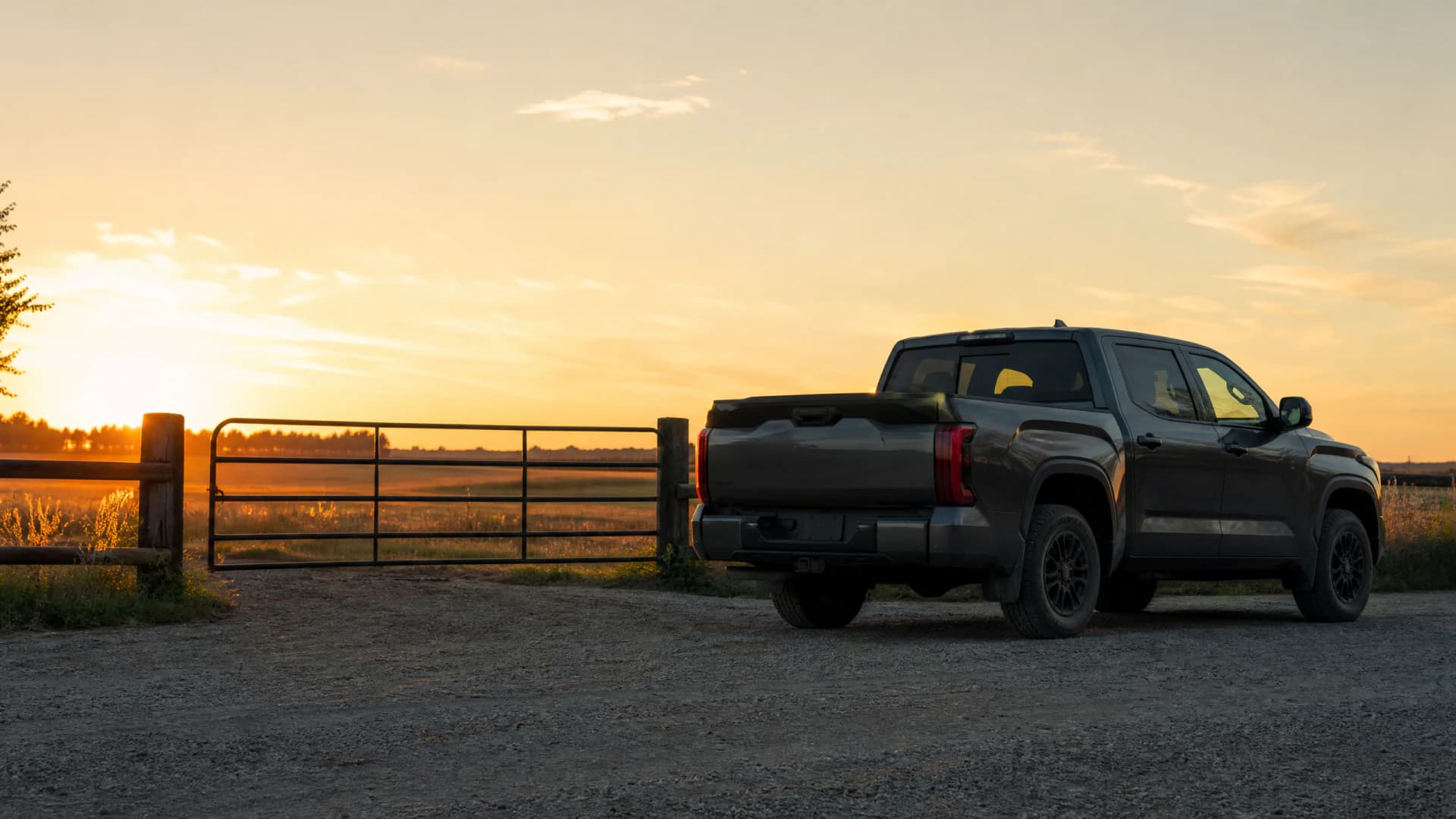
The carrier cheapest for one car is often not cheapest for two or three. Michigan's mandatory PIP and high uninsured rate change the math when you add vehicles.
Related Articles





Which Carriers Write Multi-Car Policies in Michigan
Fifteen carriers write auto insurance in Michigan and accept multi-car policies. State Farm, Geico, Progressive, Allstate, Farmers, and Nationwide write standard-tier multi-car policies and offer online quotes. Auto-Owners, Amica, and Hartford write preferred-tier policies but may require a broker. Bristol West, Direct Auto, and National General write non-standard policies for drivers with violations or lapses.
USAA writes multi-car policies for military members and their families. Automobile Club Michigan writes policies for AAA members. Travelers writes multi-car policies but does not advertise SR-22 or non-owner coverage, so households with a high-risk driver may need to split coverage across two carriers.
The carrier roster matters because not every carrier prices the multi-car discount the same way. Some carriers reduce the per-vehicle rate when you add a second car. Others apply a percentage discount to the total policy premium. A few carriers structure the discount to increase when you add a third or fourth vehicle. You need quotes from multiple carriers to see which structure costs less for your household.
15 carriers
Michigan Multi-Car Policy Writers
Fifteen carriers write auto insurance in Michigan and accept multi-car policies. Standard-tier carriers include State Farm, Geico, Progressive, Allstate, Farmers, and Nationwide. Preferred-tier carriers include Auto-Owners, Amica, and Hartford.
Michigan carrier roster, verified via state licensing records

When Combining Policies Saves Money and When It Doesn't
Combining two separate policies into one multi-car policy usually lowers the total premium, but not always. If one driver on the household has a recent DUI or multiple at-fault accidents, adding their vehicle to the family policy can raise the premium more than the multi-car discount saves. Some households save money by keeping the high-risk driver on a separate non-standard policy and the other vehicles on a standard policy.
A vehicle titled to someone outside the household may not qualify for the multi-car discount. Most carriers require every vehicle on the policy to be titled to a household member and garaged at the same address. If you're adding a roommate's car or a vehicle titled to an adult child who moved out, the carrier may deny the discount or refuse to add the vehicle at all. Verify the carrier's same-household requirement before you assume the discount applies.
Compare Carriers Writing Your Household's Vehicles
The cheapest carrier for your household depends on how many vehicles you're insuring, which drivers are on the policy, and how each carrier structures the multi-car discount. A quote for one car tells you nothing about the rate for two or three. Request quotes from multiple carriers writing Michigan multi-car policies and compare the total premium after every vehicle is added. The carrier cheapest for one car is often not cheapest for two.
How to Compare Carriers for Multiple Vehicles
Request quotes from at least three carriers writing Michigan multi-car policies. Provide the same vehicle information, driver information, and coverage selections to each carrier. The quote must include every vehicle you plan to insure on the policy. A quote for one car, then adding the second later, will not show you the true multi-car rate because carriers apply the discount differently at different stages.
Compare the total annual or monthly premium after all vehicles are added, not the advertised discount percentage. A carrier advertising a 25% multi-car discount on a high base rate can cost more than a carrier offering a 15% discount on a lower base. The number that matters is the final premium you pay, not the percentage the carrier advertises.
Get Your Free Quote
Get My Michigan Car Insurance QuoteFrequently Asked Questions
Which car insurance company is cheapest in Michigan for two cars?
The cheapest carrier for two cars depends on how each carrier structures the multi-car discount and prices Michigan's mandatory PIP coverage. State Farm, Geico, and Progressive write standard-tier multi-car policies, but the cheapest option for your household requires comparing total premiums after both vehicles are added. A carrier cheapest for one car is often not cheapest for two.
Does the multi-car discount apply to every vehicle on the policy?
The multi-car discount applies to the total policy premium, but carriers structure it differently. Some reduce the per-vehicle rate when you add a second car. Others apply a percentage discount to the policy total. A few carriers increase the discount when you add a third or fourth vehicle. The discount structure varies by carrier.
Can I combine two separate policies into one multi-car policy in Michigan?
You can combine two separate policies into one multi-car policy if every vehicle is titled to a household member and garaged at the same address. Most carriers require the same-household condition for the multi-car discount to apply. If one driver has a recent violation, keeping them on a separate policy may cost less than combining.
What coverage does Michigan require on every vehicle?
Michigan requires $50,000 bodily injury per person, $100,000 per accident, $10,000 property damage, Personal Injury Protection, and property protection coverage on every vehicle. Every car you add to the policy must carry this coverage stack. The multi-car discount applies to the total premium, not to individual coverage types.
How do I compare multi-car insurance rates in Michigan?
Request quotes from at least three carriers writing Michigan multi-car policies. Provide the same vehicle information, driver information, and coverage selections to each carrier. Compare the total annual or monthly premium after all vehicles are added, not the advertised discount percentage. The final premium you pay is the number that matters.