
What You're Actually Paying For Across Multiple Vehicles
You own two or more cars in Michigan and you're trying to understand what the monthly premium actually covers when you insure them together. The state mandates $50,000 bodily injury per person, $100,000 bodily injury per accident, and $10,000 property damage on every vehicle, plus personal injury protection coverage. That baseline applies to each car on your policy, not once across the household.
The multi-car discount exists because carriers assume shared garaging and shared drivers reduce total risk exposure compared to separate policies. But Michigan's mandatory PIP requirement and 22.3% uninsured motorist rate mean the per-vehicle floor is higher here than in states without no-fault coverage. The question is whether combining policies under one household account lowers the total or simply bundles the same cost under one bill.
Compare car insurance rates in your state
Get quotes from licensed carriers — no obligation, no spam, results in minutes.
Get Your Free QuoteMichigan Minimum Liability
Every vehicle registered in Michigan must carry at least $50,000 bodily injury per person, $100,000 bodily injury per accident, and $10,000 property damage liability. PIP coverage is mandatory on top of liability minimums.
Michigan Secretary of State
How Multi-Car Policies Are Structured in Michigan
A multi-car policy in Michigan insures two or more vehicles under one account with one renewal date. Each vehicle carries its own liability and PIP coverage, but the policy treats the household as a single rating unit. The multi-car discount applies when every vehicle sits on the same policy and typically shares a garaging address.
Carriers re-rate the entire policy when you add or remove a vehicle mid-term. That means adding a third car doesn't simply tack on a flat amount — it recalculates the premium for all three vehicles based on the updated household risk profile. The same-policy requirement is the structural constraint: a car titled to someone outside the household or garaged at a different address may not qualify for the discount even if you want to include it.
Michigan's no-fault system requires PIP on every vehicle, which increases the per-car baseline compared to tort states. Combining policies saves money when the multi-car discount percentage exceeds the administrative cost of managing multiple vehicles under one account. When it doesn't, separate policies can cost less.
The multi-car discount only applies when every vehicle sits on the same policy and meets the carrier's garaging and titling requirements — a car garaged elsewhere or titled to a non-household member may not qualify.
What Drives the Per-Vehicle Cost on a Multi-Car Policy
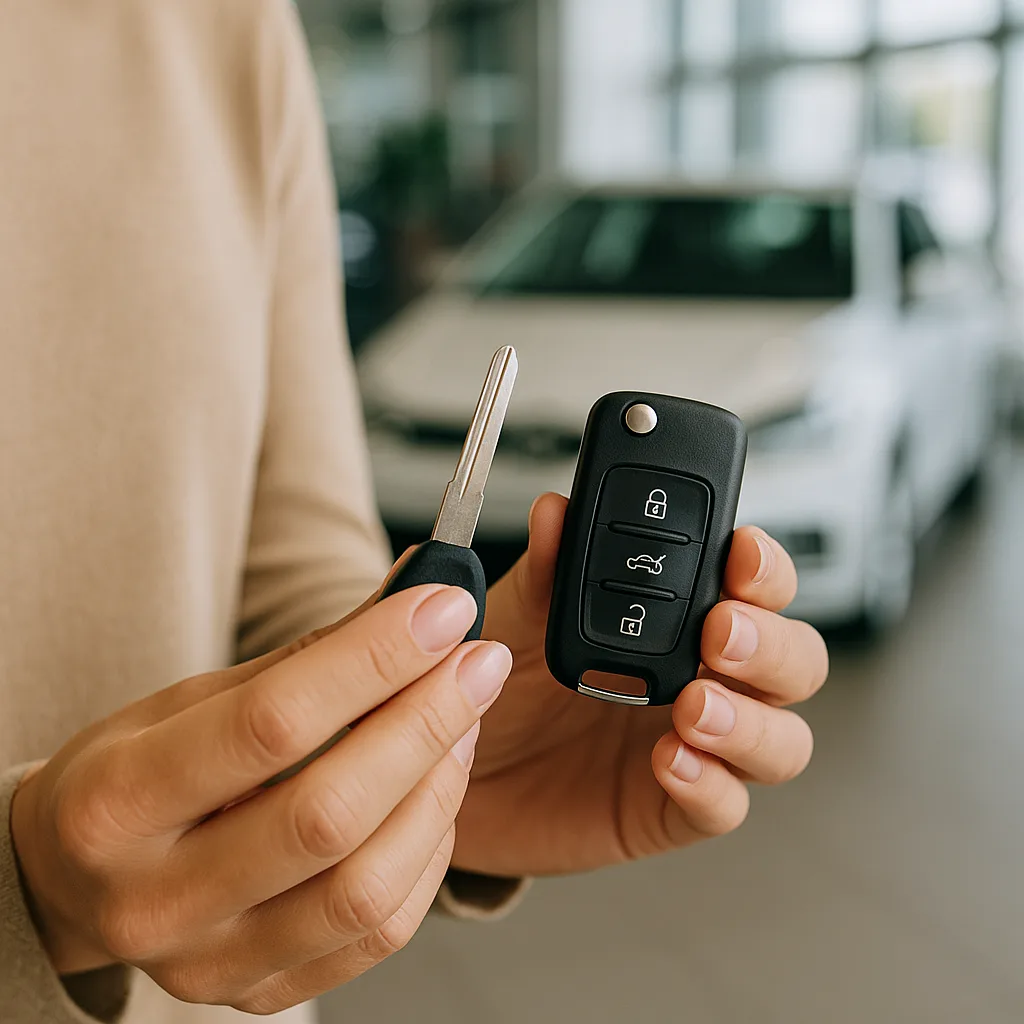
Each vehicle's year, make, model, and garaging ZIP code set the base rate. Comprehensive and collision coverage — optional in Michigan — add the most cost after liability and PIP. A newer vehicle financed through a lender typically requires both, while an older paid-off car may carry liability and PIP only. The vehicle's theft rate and repair cost in your county determine the comprehensive and collision premiums.
Driver assignment matters when multiple household members share the cars. Carriers assign each vehicle to a primary driver and rate it based on that driver's age, driving record, and violation history. A teen driver assigned to one of the vehicles raises the premium for that car significantly. If you have three cars and two drivers, the carrier assumes the highest-risk driver operates the unassigned vehicle, which increases its rate.
Related Articles



When Combining Policies Saves Money and When It Doesn't
Combining two separate policies into one multi-car policy lowers the total premium when the multi-car discount percentage exceeds the cost of insuring the additional vehicle at its individual rate. This happens most often when both vehicles are similar in value and risk profile, and when both drivers have clean records.
The discount does not apply retroactively to vehicles already on separate policies unless you actively combine them. If you and your spouse each maintain a separate policy and you buy a third car, adding it to one of the existing policies does not automatically merge the other policy. You must request the combination and re-rate the entire household under one account.
Separate policies cost less in specific situations: when one vehicle is high-risk and would increase the premium for the other cars disproportionately, when a household member's driving record is significantly worse than the others', or when one car is garaged at a different address and does not qualify for the same-policy discount. Carriers in Michigan that write multi-car policies include State Farm, Geico, Progressive, Allstate, Farmers, and Auto-Owners.
Michigan Uninsured Motorist Rate
22.3%
Nearly one in four Michigan drivers operates without insurance, the fifth-highest uninsured rate in the country. Uninsured and underinsured motorist coverage is optional in Michigan but protects your household when an at-fault driver cannot pay.
Insurance Information Institute, 2023
How Adding or Removing a Vehicle Changes the Policy
Adding a vehicle mid-term triggers a full policy re-rate. The carrier recalculates the premium for every car on the policy based on the updated household risk profile, then prorates the additional cost across the remaining term. You do not pay a flat per-car amount — the entire policy adjusts. Most carriers in Michigan provide a grace period of 14 to 30 days to report a newly purchased or acquired vehicle before coverage lapses, but the specific window varies by carrier. Verify your carrier's grace period before you buy.
Removing a vehicle works the same way in reverse. The carrier re-rates the policy without the removed car and issues a prorated refund or credit for the remaining term. If you sell one of three cars, the premium for the remaining two drops, but not by the exact amount the sold car was contributing — the multi-car discount recalculates based on two vehicles instead of three.
Compare Carriers That Write Multi-Car Policies in Michigan
Sixteen carriers write multi-car policies in Michigan with varying discount structures and same-policy requirements. State Farm, Geico, Progressive, Allstate, and Farmers write the largest share of multi-vehicle households statewide. Auto-Owners and Automobile Club Michigan offer competitive rates for preferred-tier drivers with clean records. Bristol West, Direct Auto, and National General write non-standard multi-car policies for households with violations or lapses.
Request quotes from at least three carriers and compare the total policy premium, not the per-vehicle breakdown. The carrier with the lowest single-car rate does not always offer the best multi-car discount. Verify that every vehicle on the quote meets the carrier's garaging and titling requirements before you bind coverage. Use the comparison tool on this site to see which carriers write your household's vehicle count and driver profile in your Michigan county.