
Car Insurance Coverage Needs — Michigan
Free to compare
The Multi-Vehicle Coverage Question
You own two or three cars, each with different values and use patterns, and you're trying to figure out whether every vehicle needs the same coverage level or if you can carry minimum coverage on one and full coverage on another. Michigan's no-fault system adds a layer most other states don't have: Personal Injury Protection is mandatory, and the liability minimums are higher than many states. The question isn't just what the state requires — it's how to structure collision, comprehensive, and liability across vehicles that serve different roles in your household.
This article walks through Michigan's actual coverage requirements, explains how full coverage and minimum coverage differ in a multi-car context, and shows you how to evaluate each vehicle's coverage needs independently while keeping the entire policy compliant and cost-effective.
“Michigan's liability minimums apply to every car on your policy, but collision and comprehensive are per-vehicle decisions.”

Find Coverage That Keeps You Legal in Michigan
Get My Michigan Car Insurance Quote$50,000/$100,000/$10,000
Michigan Liability Minimums
Michigan requires $50,000 bodily injury per person, $100,000 per accident, and $10,000 property damage. These minimums apply to every vehicle on your policy, but you can carry higher limits to protect household assets.
Michigan Secretary of State
What Michigan Actually Requires
Michigan mandates liability coverage at $50,000 per person for bodily injury, $100,000 per accident, and $10,000 for property damage. You must also carry Personal Injury Protection, which covers medical expenses and lost wages for you and your passengers regardless of fault. PIP is the foundation of Michigan's no-fault system and cannot be waived unless you meet specific criteria for opting into a lower level.
Uninsured motorist coverage is not required in Michigan, but 22.3% of drivers in the state are uninsured. That rate is among the highest in the country, and it means one in five drivers you encounter on the road carries no coverage. Many households add uninsured and underinsured motorist coverage to fill that gap, especially when insuring multiple vehicles that family members drive daily.
The state does not mandate collision or comprehensive coverage. Those are physical-damage coverages that protect your vehicle, not other people. If you finance or lease a car, the lender requires both. If you own the car outright, the decision is yours, and it varies by vehicle.
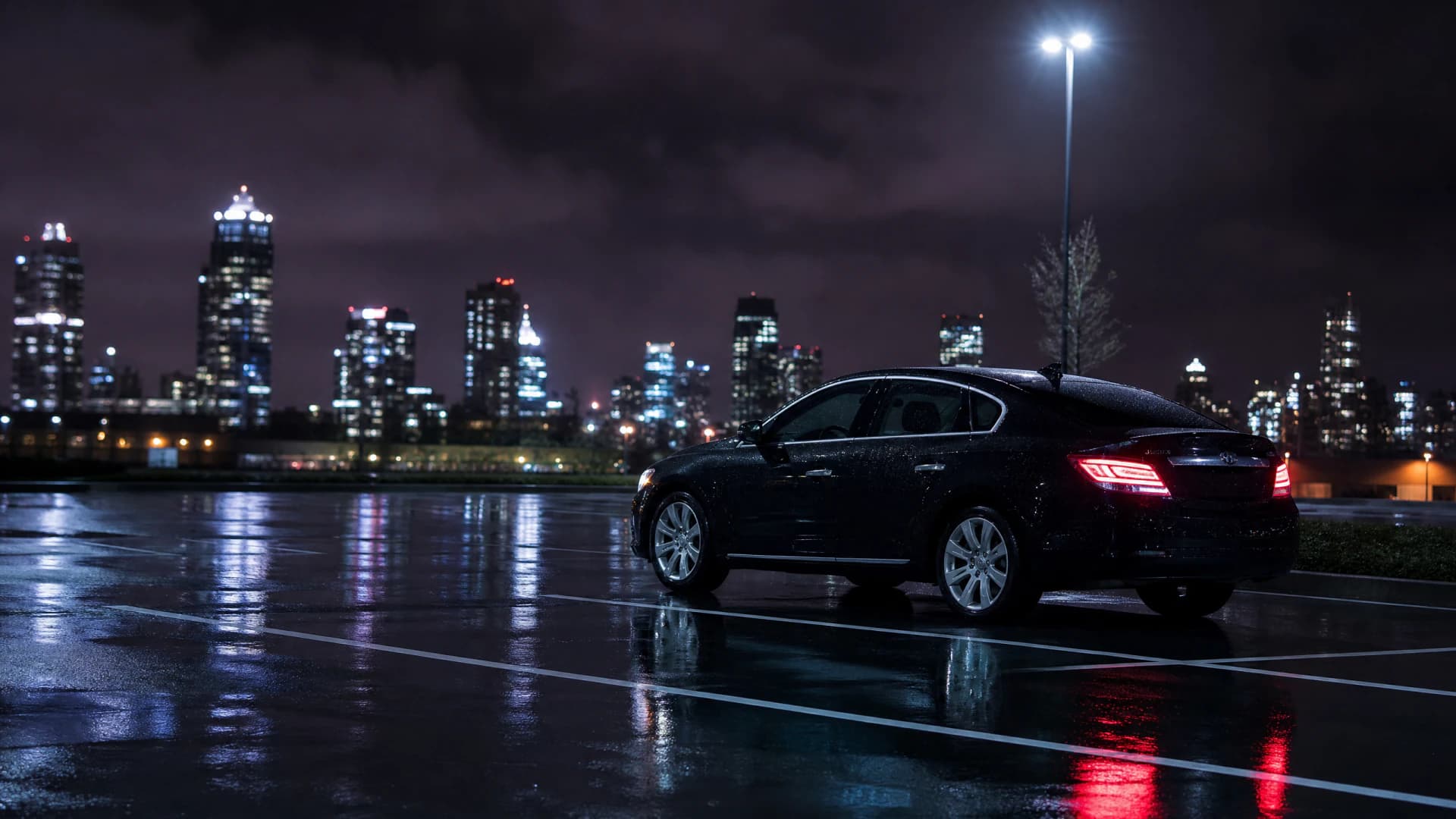
Michigan's liability minimums apply to every car on your policy, but collision and comprehensive are per-vehicle decisions — you can carry full coverage on one car and minimum on another.
Related Articles


How Coverage Decisions Scale Across Vehicles
Every vehicle on your policy must meet Michigan's liability and PIP requirements, but collision and comprehensive are optional per car. When you add a second or third vehicle, the insurer re-rates the entire policy. The multi-car discount applies to the liability premium, but physical-damage coverage is priced individually based on each vehicle's year, make, model, and garaging location.
You cannot assign different liability limits to different vehicles on the same policy. Collision and comprehensive, however, are vehicle-specific. You can carry a $500 deductible on one car and a $1,000 deductible on another, or drop collision entirely on the older vehicle while keeping it on the newer one.
The decision point is vehicle value and replacement cost. If the car is worth less than the total you'd pay in premiums and deductibles over the next few years, minimum coverage makes sense. If the car is financed, leased, or worth enough that replacing it out of pocket would strain your household budget, full coverage is the better choice. When you own three cars outright — one daily driver, one commuter, and one rarely-driven vehicle — you might carry full coverage on the daily driver and minimum on the other two.
15 carriers
Michigan Multi-Car Carriers
Fifteen carriers write multi-vehicle policies in Michigan, including Allstate, Geico, Progressive, State Farm, and USAA. Comparing quotes across carriers that serve your household's vehicle mix is the clearest way to see how coverage choices affect total premium.
Michigan carrier roster
When to Raise Liability Limits
Michigan's $50,000/$100,000/$10,000 minimums protect other people when you cause an accident, but they do not protect your household's assets if the damages exceed those limits. If you own a home, have retirement accounts, or carry significant savings, an at-fault accident that injures multiple people can result in a judgment that exceeds your liability coverage. The insurer pays up to your limit; you pay the rest.
When you insure multiple cars, the liability increase applies to the entire policy, covering every vehicle and every listed driver. That makes higher limits a cost-effective way to protect household assets without restructuring coverage on each car individually.
Compare Carriers That Write Your Vehicle Mix
Carriers price multi-vehicle policies differently. One insurer may offer a larger multi-car discount but charge more for collision on older vehicles; another may price liability higher but offer lower comprehensive rates. The only way to see how coverage decisions affect your total premium is to compare quotes from carriers that write policies in Michigan for households with your vehicle count and coverage mix. Allstate, Auto-Owners, Geico, Progressive, and State Farm all write multi-car policies in the state and offer online quoting tools that let you adjust liability limits, deductibles, and physical-damage coverage per vehicle. Enter your household's actual vehicle details, adjust coverage levels to match the structure you're evaluating, and compare the resulting premiums side by side.
Full Coverage Versus Minimum Coverage
Collision covers damage to your car when you hit another vehicle or object, regardless of fault. Comprehensive covers theft, vandalism, weather damage, and animal strikes. Both come with a deductible — typically $500 or $1,000 — which is the amount you pay out of pocket before the insurer covers the rest. If your car is worth less than ten times the annual cost of collision and comprehensive combined, many households drop physical-damage coverage and self-insure the vehicle's value.
When you insure multiple vehicles, you evaluate each car independently. Dropping physical-damage coverage on the older vehicle and keeping it on the newer one is a common multi-car strategy.
Get Your Free Quote
Get My Michigan Car Insurance QuoteFrequently Asked Questions
Can I carry different coverage levels on different cars on the same policy?
Yes. Liability and PIP apply to the entire policy at one level, but collision and comprehensive are per-vehicle. You can carry full coverage on one car and minimum coverage on another, or use different deductibles on each vehicle.
Does Michigan require uninsured motorist coverage?
No. Michigan does not mandate uninsured or underinsured motorist coverage, but 22.3% of drivers in the state are uninsured. Many households add it to protect against accidents with uninsured drivers.
What is the difference between full coverage and minimum coverage in Michigan?
Minimum coverage is liability and PIP only. Full coverage adds collision and comprehensive, which protect your vehicle from damage, theft, and weather. Lenders require full coverage on financed or leased vehicles.
How do I decide whether to drop collision on an older car?
Compare the vehicle's current value to the annual cost of collision and comprehensive plus your deductible. If the car is worth less than ten times the annual premium, many households drop physical-damage coverage and self-insure the vehicle.
Do higher liability limits cost significantly more on a multi-car policy?
Typically no.
Can I have different deductibles on different cars?
Yes. Collision and comprehensive deductibles are set per vehicle. You can carry a $500 deductible on one car and a $1,000 deductible on another, or drop collision entirely on a vehicle you own outright.