
Full Coverage Car Insurance — Michigan
Free to compare
The Two-Car Coverage Question
You own two vehicles. One is your daily driver; the other sits in the driveway most of the week. You're weighing whether to carry full coverage on both or drop collision and comprehensive on the car you rarely use. In most states, that decision hinges on the vehicle's value and how much you'd lose if it were totaled. In Michigan, the decision starts somewhere else: you're already required to carry personal injury protection and $50,000 per person, $100,000 per accident, and $10,000 property damage liability on every vehicle you register, regardless of how often you drive it.
That mandatory floor changes the cost structure. Michigan's no-fault PIP requirement means your baseline premium per vehicle is higher than the minimum-coverage baseline in most other states. When you're deciding whether to add collision and comprehensive to the second car, you're not comparing a cheap minimum policy to an expensive full-coverage policy. You're comparing an already-substantial mandatory-coverage premium to that same premium plus the cost of physical-damage coverage. The gap between the two is narrower than you expect, and the decision turns on different factors than it would elsewhere.
“Michigan's mandatory PIP means your baseline per-vehicle cost is already higher than most states' full-coverage premiums.”
Find Coverage That Keeps You Legal in Michigan
Get My Michigan Car Insurance Quote$50,000 / $100,000 / $10,000
Michigan Liability Minimums
Every registered vehicle in Michigan must carry at least $50,000 bodily injury per person, $100,000 per accident, and $10,000 property damage. PIP is mandatory on top of that baseline.
Michigan Secretary of State
What Full Coverage Actually Means in Michigan
Full coverage is not a single product. It's shorthand for a policy that includes the state's mandatory coverages plus collision and comprehensive. Collision pays to repair or replace your vehicle after an accident with another car or object, regardless of fault. Comprehensive covers theft, vandalism, weather damage, and animal strikes. Both coverages come with a deductible you choose when you buy the policy, typically $500 or $1,000.
In Michigan, full coverage on a vehicle means you're carrying PIP, the $50,000/$100,000/$10,000 liability minimum, and collision and comprehensive. Minimum coverage means you're carrying only the mandatory PIP and liability. The difference in premium between the two is the cost of adding collision and comprehensive to a policy that already includes the no-fault and liability requirements.
For a household insuring two vehicles on one policy, the question is whether the second vehicle's value and your financial exposure justify the additional collision and comprehensive premium. If the second car is worth less than a few thousand dollars, paying for collision coverage with a $500 or $1,000 deductible often makes little sense. If the car is worth $10,000 or more and you cannot afford to replace it out of pocket, dropping collision exposes you to a loss you may not be able to absorb.
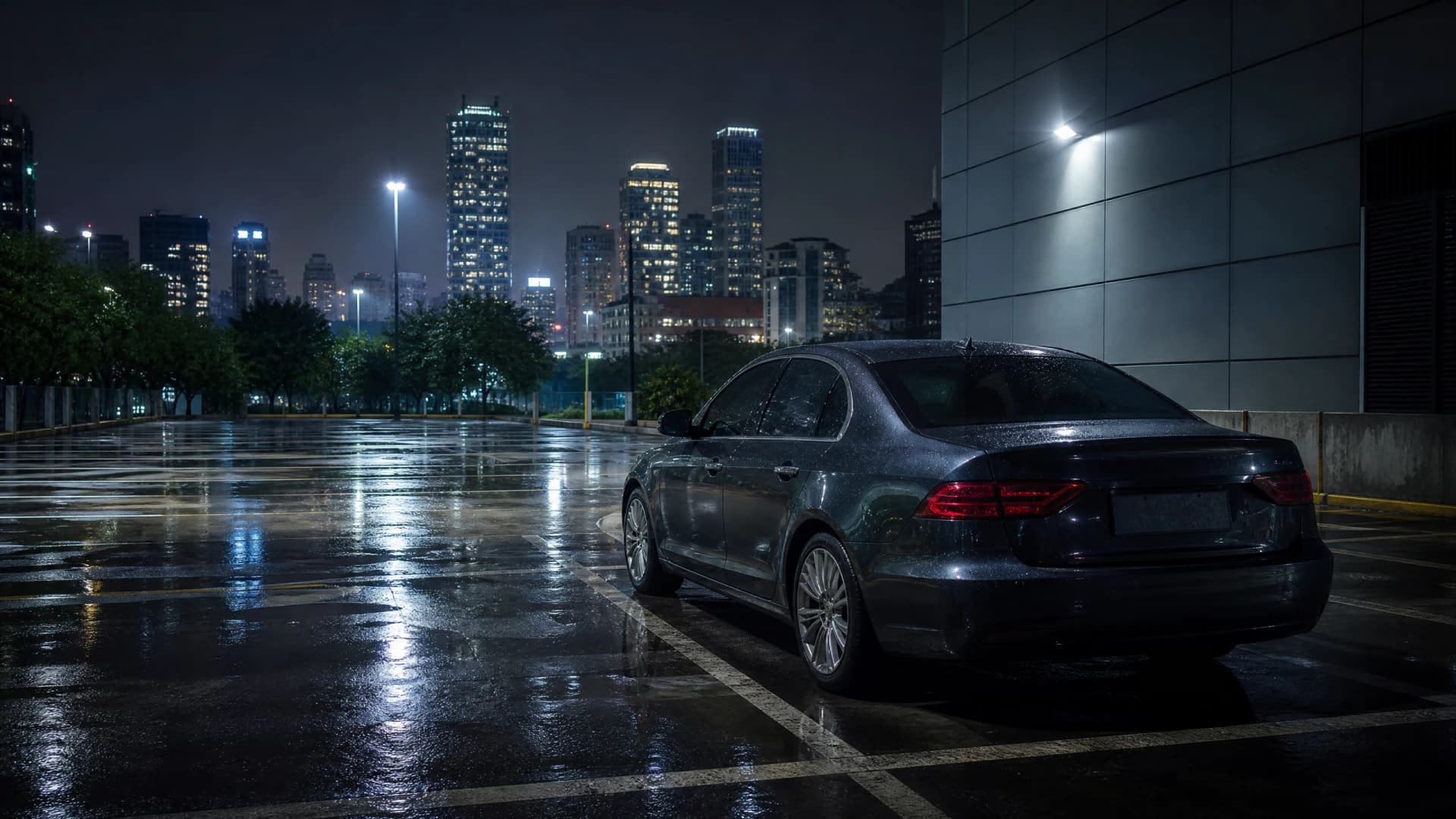
Michigan's mandatory PIP and liability minimums mean your baseline per-vehicle cost is already higher than most states' full-coverage premiums. The collision-and-comprehensive add is smaller than you think.
Related Articles





When Dropping Collision Makes Sense
If the car is totaled, the carrier pays the actual cash value minus your deductible. Most drivers in that situation drop collision and self-insure the vehicle's replacement cost.
Comprehensive coverage is cheaper than collision and covers risks collision does not: theft, hail, flood, and animal strikes. Even when you drop collision on a low-value second vehicle, keeping comprehensive often makes sense if you live in an area with high theft rates or severe weather. Michigan's vehicle theft rate was 236.9 per 100,000 population in 2024, and comprehensive claims are more common than collision claims for parked or rarely-driven cars.
Lienholders require full coverage. If you're still paying off the second vehicle, the lender will not allow you to drop collision or comprehensive until the loan is satisfied. Once you own the car outright, the decision is yours. If the vehicle's value has dropped below the threshold where collision makes financial sense, dropping it and banking the premium savings is the rational move.
236.9 per 100,000
Michigan Vehicle Theft Rate
Michigan's 2024 vehicle theft rate was 236.9 per 100,000 population. Comprehensive coverage protects against theft and is often worth keeping even when collision is dropped on a low-value second vehicle.
FBI Uniform Crime Reporting, 2024

How Carriers Price the Second Vehicle
Carriers rate each vehicle on the policy separately, then apply the multi-car discount to the combined premium. The second vehicle's rate depends on its year, make, model, safety features, theft risk, and repair cost. A newer vehicle with advanced safety features and low theft rates costs less to insure for collision and comprehensive than an older vehicle with high repair costs and a history of theft claims.
The multi-car discount reduces the total premium by a percentage that varies by carrier. Most carriers apply the discount to the liability and PIP portions of the premium, not to collision and comprehensive. That means the discount saves you more on the mandatory coverages than on the physical-damage coverages. When you're deciding whether to carry full coverage on the second vehicle, the discount does not change the collision-and-comprehensive cost as much as it changes the baseline mandatory-coverage cost. The gap between full coverage and minimum coverage on the second car is narrower after the discount, but the collision-and-comprehensive premium itself is not heavily discounted.
Compare Carriers That Write Multi-Vehicle Policies
Michigan has 16 carriers writing multi-vehicle policies with varying approaches to how they price the second and third vehicles. Some carriers apply a larger discount to households with three or more vehicles; others price each vehicle more aggressively when the total policy includes higher liability limits or bundled home coverage. Allstate, Auto-Owners, Farmers, Geico, Liberty Mutual, Nationwide, Progressive, and State Farm all write multi-vehicle policies in Michigan and allow you to structure coverage differently across vehicles on the same policy.
When you're deciding whether to carry full coverage on the second vehicle, get quotes from at least three carriers with the coverage mix you're considering: full coverage on the daily driver, minimum coverage on the second car. Compare the premium difference between that structure and full coverage on both vehicles. If the gap is small relative to the second vehicle's value, full coverage on both is often the better choice. If the gap is large and the second vehicle is worth less than a few thousand dollars, minimum coverage makes sense. The right answer depends on the specific vehicles, your household's financial position, and the carrier's pricing model.
How Multi-Vehicle Policies Structure Coverage
Carriers price each vehicle individually based on its year, make, model, value, and garaging location, then apply the multi-car discount to the combined premium. You can carry full coverage on your daily driver and minimum coverage on the second car without splitting them onto separate policies. The multi-car discount applies to the total premium regardless of the coverage mix across vehicles.
Most carriers require every vehicle on the policy to be garaged at the same address and titled to a member of the household. If the second vehicle is titled to someone outside the household or garaged elsewhere, the carrier may require it to sit on a separate policy, and you lose the multi-car discount. When both vehicles meet the same-household and same-address requirements, you structure coverage vehicle by vehicle within one policy and keep the discount intact.
Get Your Free Quote
Get My Michigan Car Insurance QuoteFrequently Asked Questions
Can I carry full coverage on one vehicle and minimum coverage on another on the same policy in Michigan?
Yes. Michigan carriers allow you to structure collision and comprehensive coverage separately for each vehicle on a multi-car policy. The mandatory PIP and $50,000/$100,000/$10,000 liability apply to every vehicle, but you choose physical-damage coverage vehicle by vehicle. The multi-car discount applies to the combined premium regardless of the coverage mix.
What is the difference between full coverage and minimum coverage in Michigan?
Minimum coverage in Michigan means you carry only the mandatory personal injury protection and $50,000 per person, $100,000 per accident, and $10,000 property damage liability. Full coverage adds collision and comprehensive to that baseline. Collision covers damage to your vehicle from accidents; comprehensive covers theft, weather, and vandalism.
When should I drop collision coverage on a second vehicle in Michigan?
Comprehensive is cheaper and often worth keeping even when you drop collision.
Do I need full coverage on both vehicles if I own them outright in Michigan?
No. Once you own both vehicles outright, you choose the coverage level for each. If the second vehicle is low-value and you can self-insure its replacement cost, carrying only Michigan's mandatory PIP and liability on that car is a rational choice. Lienholders require full coverage, but once the loan is satisfied, the decision is yours.
Does the multi-car discount apply if I carry different coverage on each vehicle in Michigan?
Yes. The multi-car discount applies to the total premium when you insure two or more vehicles on one policy, regardless of the coverage mix. You keep the discount whether both vehicles carry full coverage or one carries minimum coverage. The discount typically reduces the mandatory PIP and liability portions more than the collision and comprehensive portions.
What happens if I drop collision and my second vehicle is totaled in Michigan?
You receive no payout for damage to your own vehicle. Collision coverage is the only coverage that pays to repair or replace your car after an at-fault accident or a collision with an object. If you drop collision and the vehicle is totaled, you absorb the loss. Michigan's no-fault PIP covers your medical expenses regardless of fault, but it does not cover vehicle damage.