
Out-of-State Car Purchase Insurance — Michigan
Free to compare
The Border Coverage Gap
You found the right car across state lines, closed the deal, and now face the drive home to Michigan. Your existing Michigan auto policy covers your household's other vehicles, but you haven't called your carrier yet to add this one. The question: does your current policy automatically cover the newly-purchased car during the drive back, or do you need to add it before you leave the seller's driveway?
Michigan's no-fault system creates a procedural wrinkle most other states don't have. The moment your newly-purchased vehicle crosses into Michigan, it must carry Michigan no-fault coverage — including personal injury protection. That requirement doesn't wait for registration or titling. Your existing policy's grace period for newly-acquired vehicles applies only to cars you buy within Michigan. An out-of-state purchase sits outside that automatic coverage window until you explicitly add it.
“Michigan's PIP requirement attaches to your out-of-state purchase the moment it crosses the border — your existing policy's grace period doesn't cover the drive home.”

Find Coverage That Keeps You Legal in Michigan
Get My Michigan Car Insurance Quote$50,000 / $100,000 / $10,000
Michigan Minimum Liability
Michigan requires $50,000 bodily injury per person, $100,000 per accident, and $10,000 property damage. These minimums apply to every vehicle registered in the state, including out-of-state purchases the moment they enter Michigan.
Michigan Secretary of State
How Michigan's Grace Period Actually Works
Most carriers writing Michigan auto insurance provide a grace period — typically 14 to 30 days — during which a newly-acquired vehicle is automatically covered under your existing policy without advance notice. That grace period exists to let you complete the purchase, drive the car home, and notify your carrier without creating a coverage gap. The catch: the grace period applies to vehicles you acquire in Michigan, not vehicles you buy elsewhere and drive into the state.
The distinction matters because Michigan's no-fault personal injury protection requirement attaches to the vehicle the moment it enters the state, regardless of where you bought it. If you purchase a car in Ohio, Indiana, or Illinois and drive it across the Michigan border without adding it to your policy first, you're operating a vehicle that Michigan law requires to carry PIP but your policy doesn't yet cover. The grace period doesn't activate until the car is in Michigan and the carrier considers it a Michigan-garaged vehicle — which means the drive home sits in a coverage gap.
Some carriers extend the grace period to out-of-state purchases if you notify them before the drive. Others require you to add the vehicle formally before you leave the seller's state. The safest procedural path: call your carrier before you finalize the out-of-state purchase, confirm whether their grace period covers the drive home, and add the vehicle to your policy before you take possession if it doesn't.

Michigan's PIP requirement applies the instant your out-of-state purchase crosses the border — your existing policy's grace period doesn't cover the drive home unless you notify your carrier first.



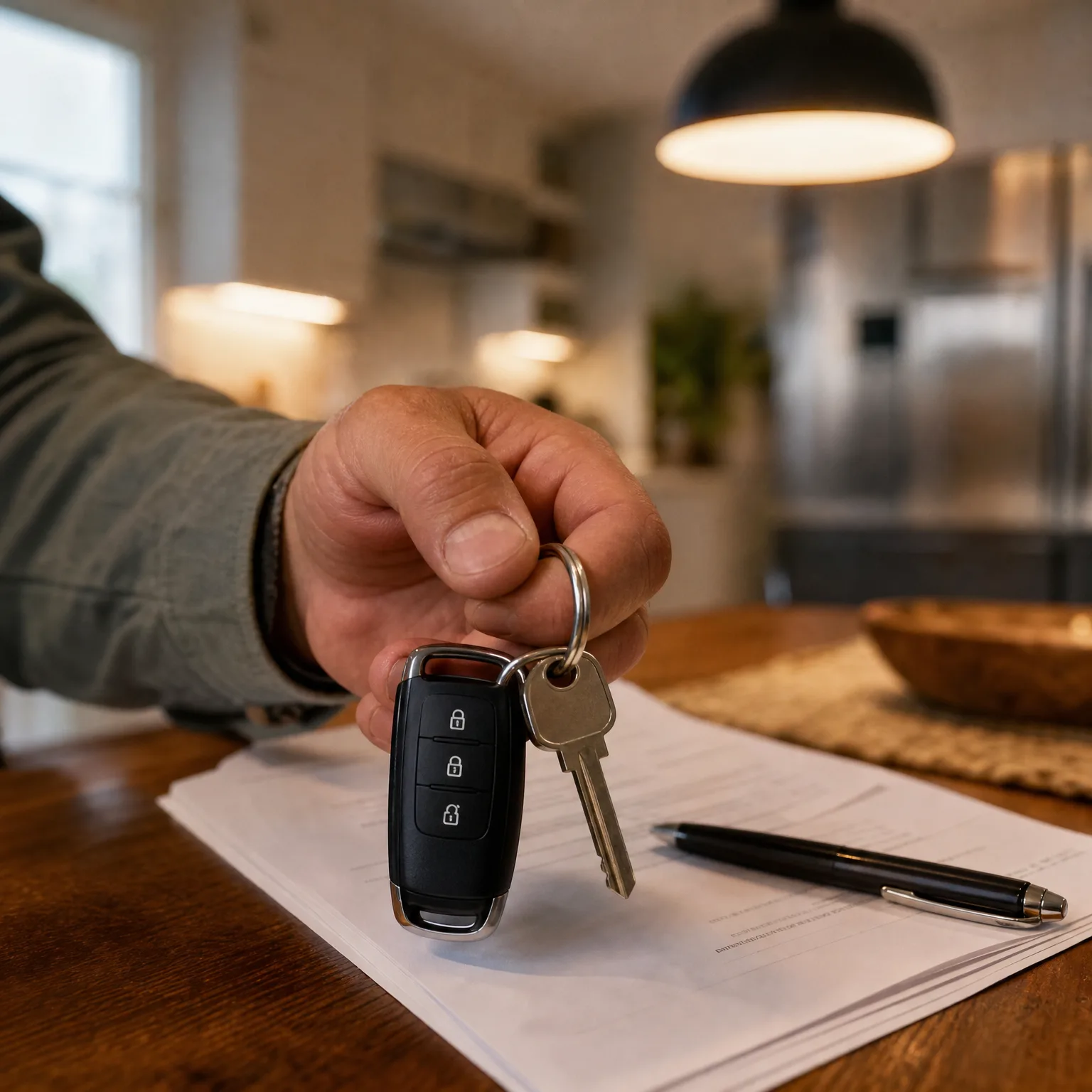



What Happens If You Don't Add It First
If you drive an out-of-state purchase into Michigan without adding it to your policy, you're operating an uninsured vehicle under Michigan law. A traffic stop results in a citation for no insurance, which carries a fine and potential license suspension. More critically, if you're in an accident during the drive home, your existing Michigan policy won't cover the newly-purchased car because it wasn't yet added and the grace period hasn't activated. You'll pay out of pocket for damage to the car you just bought, and you'll have no PIP coverage for injuries.
Some drivers assume their existing policy's liability coverage extends to any car they drive, including a newly-purchased one. That's true for borrowed or rented vehicles, but it doesn't apply to a car you own that you haven't yet added to the policy. Ownership triggers the requirement to add the vehicle explicitly. The drive home from an out-of-state purchase is the highest-risk window — you're unfamiliar with the car, you're covering distance on highways, and you're doing it without the coverage Michigan requires the moment you cross the state line.
The failure mode most competing pages omit: even if your existing policy's grace period would cover an in-state purchase automatically, that grace period doesn't help you during the out-of-state drive because the car isn't yet in Michigan and your carrier doesn't yet know you own it. The grace period is a notification buffer for cars you buy locally, not a blanket coverage extension for cars you buy elsewhere.
22.3%
Michigan Uninsured Motorist Rate
More than one in five Michigan drivers operates without insurance. An out-of-state purchase driven home without coverage adds to that figure and exposes you to the same penalties Michigan imposes on any uninsured driver: fines, license suspension, and out-of-pocket liability if you cause an accident.
Insurance Information Institute, 2023
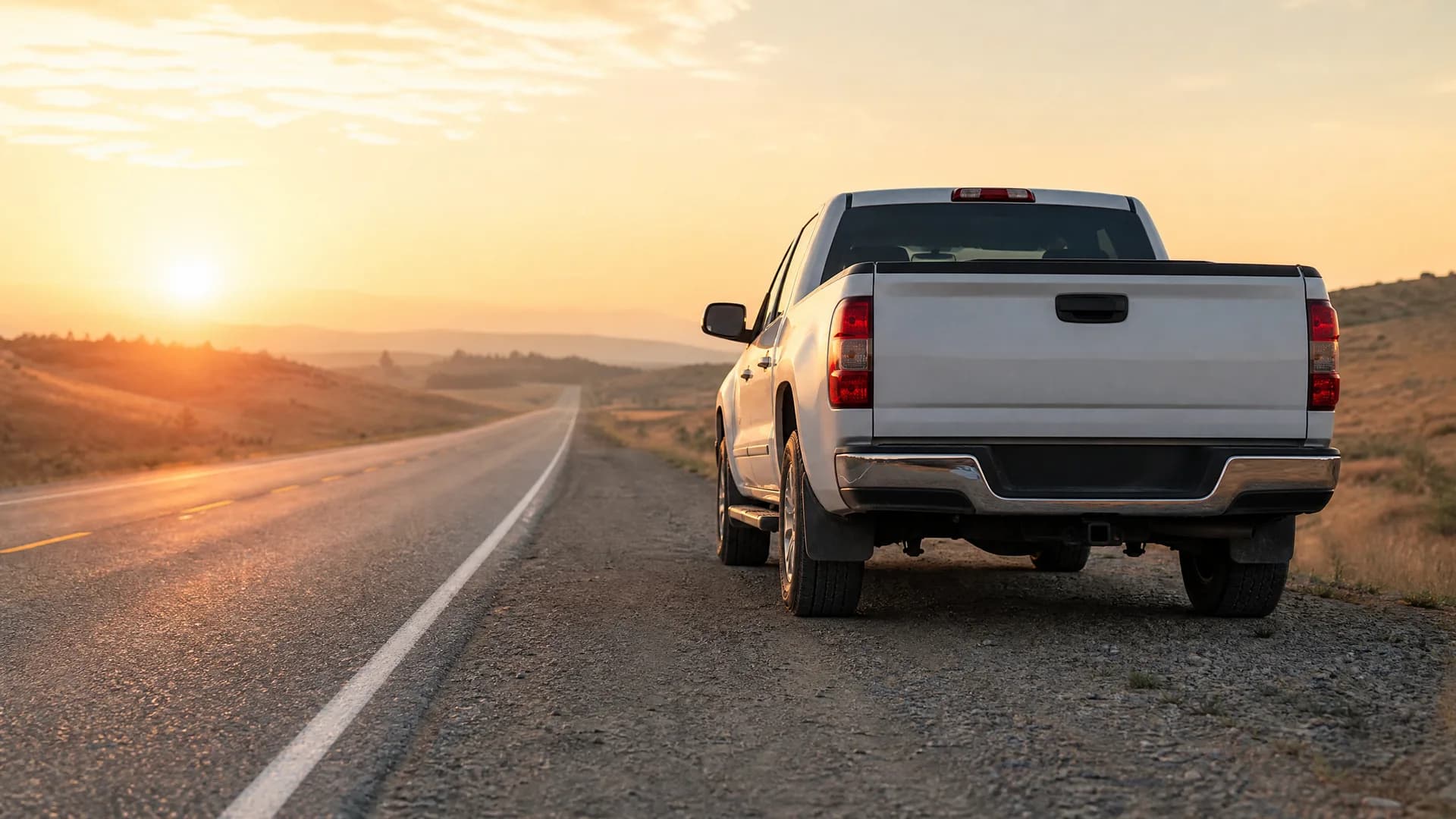
Registration and Title Transfer Timing
Michigan gives you 15 days from the date of purchase to title and register an out-of-state vehicle. You'll need proof of Michigan no-fault insurance to complete the registration — the Secretary of State won't process the application without it. That means you must add the vehicle to your Michigan policy before or immediately after the drive home, not weeks later when you get around to visiting the Secretary of State office. The 15-day registration window and the insurance requirement run concurrently; you can't register without proof of insurance, and you can't legally drive without insurance the moment the car enters Michigan.
If the vehicle still carries plates from the state where you bought it, those plates don't authorize you to drive in Michigan beyond the immediate trip home. Michigan law requires Michigan plates for any vehicle garaged in the state, and the out-of-state plates must be surrendered when you register the car here. Some drivers assume out-of-state plates buy them time to arrange insurance — they don't. The insurance requirement is immediate; the registration requirement is within 15 days.
Compare Carriers Before You Add the Vehicle
Adding an out-of-state purchase to your existing Michigan policy re-rates the entire policy, not just the new car. If you're insuring multiple vehicles, the addition of a fourth or fifth car can push you into a different rate tier or change the multi-car discount structure. Before you add the vehicle, compare what your current carrier will charge against quotes from other Michigan carriers writing multi-vehicle policies. Carriers writing Michigan no-fault coverage include State Farm, Geico, Progressive, Allstate, Farmers, Auto-Owners, and others — each prices multi-car policies differently, and the best rate for three cars may not be the best rate for four.
If you're buying the out-of-state car to add to a household policy that already insures two or three vehicles, the multi-car discount applies to the new vehicle only if it sits on the same policy as the others. Splitting the new car onto a separate policy to avoid re-rating the existing one usually costs more than the combined premium of keeping all vehicles together. Run the comparison before you finalize the purchase so you know what the total household premium will be once the new car is added.
Adding the Vehicle Before You Drive
Call your carrier or log into your account before you finalize the out-of-state purchase. Provide the vehicle identification number, the purchase price, and the date you'll take possession. Most carriers can add the vehicle to your policy immediately and provide proof of insurance you can print or save to your phone. The coverage becomes effective the moment you specify — set it for the day you'll drive the car home, not the day you're calling. Michigan requires proof of insurance to register the vehicle, and the carrier-issued proof must show Michigan no-fault coverage including PIP.
If you're financing the purchase, the lender will require proof of comprehensive and collision coverage before releasing the funds. Adding the vehicle to your Michigan policy before closing satisfies that requirement and ensures the drive home is covered. If you're paying cash and plan to carry only Michigan's minimum liability, you can add liability-only coverage before the drive and decide on comprehensive and collision later — but the liability and PIP must be active before the car enters Michigan.
Get Your Free Quote
Get My Michigan Car Insurance QuoteFrequently Asked Questions
Does my Michigan auto insurance automatically cover a car I buy in another state?
No. Michigan carriers' grace periods for newly-acquired vehicles apply to cars purchased within Michigan, not out-of-state purchases. You must add the vehicle to your policy before driving it into Michigan to avoid a coverage gap.
How long do I have to register an out-of-state car in Michigan?
Michigan gives you 15 days from the purchase date to title and register an out-of-state vehicle. You'll need proof of Michigan no-fault insurance to complete the registration — the Secretary of State won't process it without coverage that includes PIP.
Can I drive an out-of-state purchase home on the seller's plates?
You can drive it home on the seller's plates for the immediate trip, but Michigan requires Michigan plates for any vehicle garaged in the state. The out-of-state plates don't extend your insurance grace period or delay the requirement to carry Michigan no-fault coverage.
What happens if I get in an accident driving an out-of-state purchase home before adding it to my policy?
Your existing Michigan policy won't cover the car because it wasn't yet added and the grace period doesn't apply to out-of-state purchases. You'll pay out of pocket for damage to the vehicle and have no PIP coverage for injuries.
Do I need to add comprehensive and collision before driving an out-of-state purchase home?
If you're financing the vehicle, the lender requires comprehensive and collision before releasing funds. If you're paying cash, you can add liability and PIP only before the drive and decide on comprehensive and collision later — but liability and PIP must be active before the car enters Michigan.