
Multi-Car Discount Mechanics — Michigan
Free to compare
When the Multi-Car Discount Doesn't Apply
You bought a second car, added it to your Michigan policy, and saw the premium jump higher than you expected. The multi-car discount appeared on the declaration page, but the total cost still climbed steeply. That disconnect happens because Michigan's mandatory Personal Injury Protection coverage re-rates for every vehicle you add, and the multi-car discount applies to liability and physical-damage coverages only — not to PIP.
The multi-car discount in Michigan works differently than in tort states. In a state where liability coverage dominates the premium, adding a second vehicle and receiving a 10-15% multi-car discount produces visible savings. In Michigan, PIP is the largest line item on most policies, and it does not discount when you add vehicles. The result: the multi-car discount saves you money, but less than you would see in Ohio or Indiana.
“PIP is the largest line item on most Michigan policies, and it does not discount when you add vehicles.”

Find Coverage That Keeps You Legal in Michigan
Get My Michigan Car Insurance Quote$50,000 / $100,000 / $10,000
Michigan Minimum Liability Limits
Michigan requires $50,000 bodily injury per person, $100,000 per accident, and $10,000 property damage. These minimums apply to every vehicle on your policy, but PIP — the state's mandatory no-fault medical coverage — adds the bulk of the premium and is priced per vehicle without a multi-car discount.
Michigan Department of Insurance and Financial Services
What the Multi-Car Discount Actually Covers
The multi-car discount applies to liability coverage, collision, and comprehensive. It does not apply to Personal Injury Protection. When you add a second vehicle, the carrier discounts the liability and physical-damage premiums for both cars — typically 10-20% depending on the carrier — but charges full PIP for each vehicle.
Carriers structure the discount this way because PIP pays medical expenses for injuries sustained in your vehicle, regardless of fault. Each car you add increases the carrier's exposure to PIP claims, so the coverage is priced per vehicle. Liability and physical-damage coverages, by contrast, reflect household risk pooling: insuring two cars under one household often costs the carrier less per car than insuring them separately, so the discount applies.
The discount is working — it is simply applied to a smaller portion of your Michigan premium than it would be in a tort state.
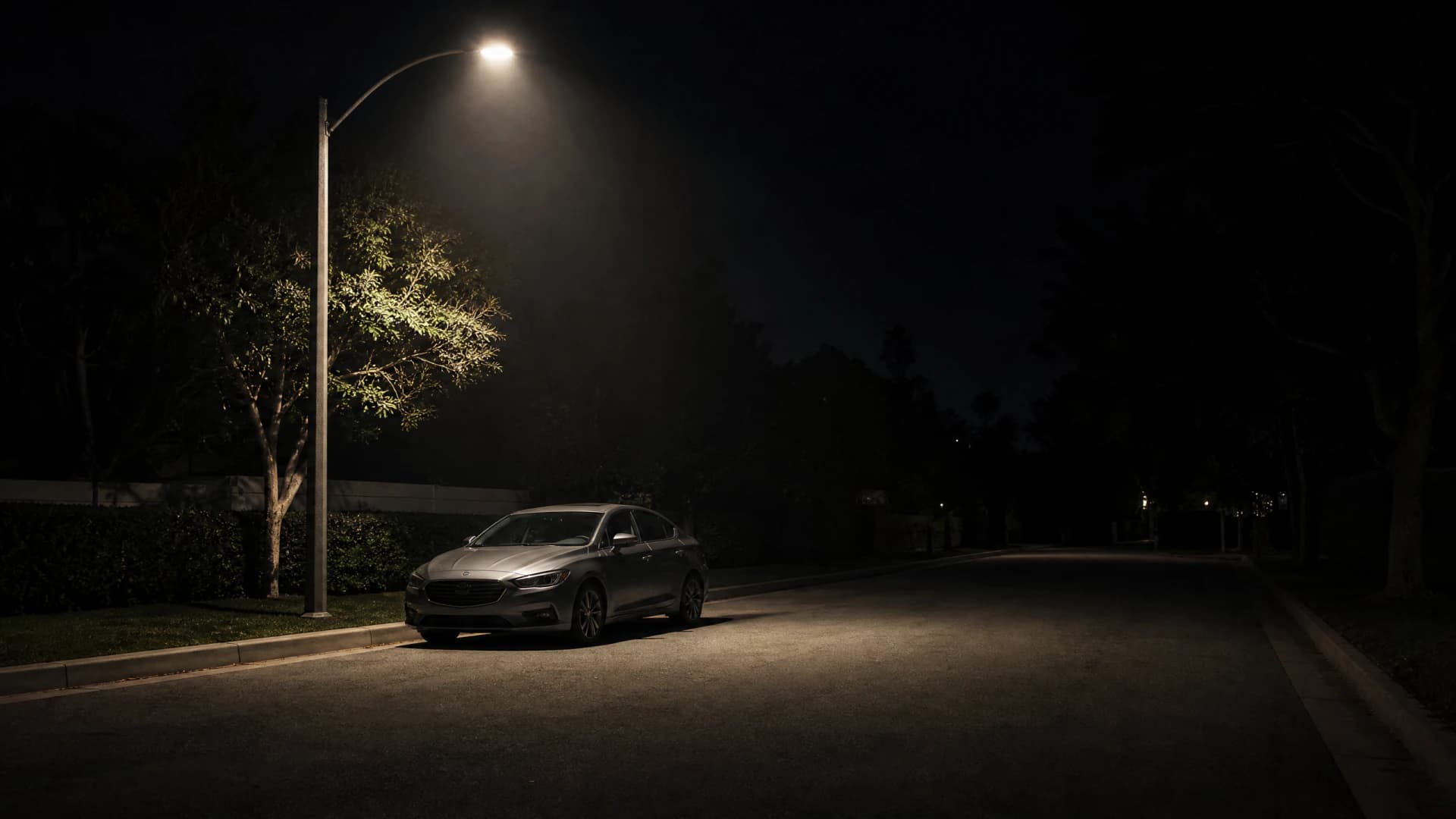
The multi-car discount in Michigan saves you money on liability and physical damage, but PIP — the largest line item — is priced per vehicle with no discount.


When Adding a Vehicle Costs More Than Expected
Adding a vehicle mid-term re-rates your entire policy, not just the new car. The carrier recalculates liability, PIP, and physical-damage premiums for every vehicle based on the new household risk profile. If the second car is newer, more expensive, or driven by a household member with a recent violation, the total premium increase reflects both the added vehicle and the re-rating of the existing cars. The multi-car discount applies after the re-rating, so it reduces the total but does not eliminate the increase.
A common failure mode: you add a teenage driver's car to the family policy expecting the multi-car discount to offset the cost, but the teen's age and inexperience re-rate the liability and PIP premiums for all vehicles. The discount saves you money compared to insuring the teen's car on a separate policy, but the total household premium still climbs sharply. Michigan's high PIP costs amplify this effect because PIP for a teen driver is priced at the highest tier, and that cost is per vehicle with no discount.
If you own a vehicle you drive infrequently — a classic car, a truck used only for hauling, or a third car that sits parked most of the year — keeping it on the same policy as your daily drivers triggers full PIP unless you opt for a lower PIP limit on that vehicle. Many Michigan households save money by selecting $50,000 PIP or opting out entirely on rarely-driven vehicles while maintaining higher PIP on the primary cars. The multi-car discount still applies to the liability and physical-damage lines across all vehicles.
22.3%
Michigan Uninsured Motorist Rate
22.3% of Michigan motorists drive uninsured, one of the highest rates in the country. Adding uninsured motorist coverage to a multi-vehicle policy costs more per vehicle, but it protects every car and driver on the policy when an at-fault uninsured driver causes a collision. The multi-car discount does not apply to UM coverage.
Insurance Research Council, 2023

Combining Policies After Marriage or a Move
When two Michigan residents marry or move in together, each with a separate auto policy, combining the policies into one multi-vehicle policy usually lowers the combined premium — but not always. If one policyholder carries a recent violation, a DUI, or a lapse in coverage, the combined policy re-rates both drivers and all vehicles at the higher-risk tier. The multi-car discount applies, but the tier increase can outweigh the discount savings. Run quotes for both the combined policy and the separate policies before canceling either one.
Michigan carriers require every vehicle titled to a household member to be listed on the policy or formally excluded. If your spouse owns a car titled in their name and garaged at your shared address, that vehicle must appear on your combined policy even if your spouse does not drive your car. Excluding a household vehicle requires the carrier's approval and usually involves signing an exclusion form. A vehicle you fail to disclose can be denied coverage at claim time, and the multi-car discount does not apply to vehicles the carrier does not know exist.
Structuring Coverage Across Multiple Vehicles
The multi-car discount in Michigan rewards consolidation: every vehicle on one policy, every driver listed, every garaging address accurate. Splitting vehicles across multiple policies to avoid re-rating a high-risk driver or to maintain separate coverage after a household change forfeits the discount and usually costs more in total. Carriers price multi-vehicle policies assuming they insure the entire household risk, so partial disclosure or selective vehicle placement triggers underwriting reviews and potential rescission.
Liability and physical-damage coverages remain consistent across all vehicles to maintain the multi-car discount. This structure saves more than the discount alone because PIP is the largest cost driver in Michigan, and reducing PIP on low-use vehicles cuts the total premium without sacrificing protection on the cars you drive daily. Fifteen carriers write multi-vehicle policies in Michigan, and all apply the multi-car discount to liability and physical-damage lines while pricing PIP per vehicle.
How Michigan Carriers Apply the Multi-Car Discount
The multi-car discount triggers when every vehicle is titled to the same policyholder or household members listed on the same policy, and when all vehicles are garaged at the same address. A car titled to a household member living at a different address, or a vehicle on a separate policy, does not qualify. Carriers verify garaging addresses at quote time and again at renewal, so a vehicle you park at a second home or a college student's apartment may be excluded from the discount unless you structure the policy to reflect the actual garaging location.
The PIP level you select for each vehicle drives the per-vehicle cost. Choosing a lower PIP limit on a second or third car reduces the total premium more than the multi-car discount alone. Carriers including Progressive, Geico, State Farm, and Allstate all write multi-vehicle policies in Michigan and apply the discount to liability and physical-damage lines, but the PIP structure remains per-vehicle regardless of carrier.
Get Your Free Quote
Get My Michigan Car Insurance QuoteFrequently Asked Questions
Does the multi-car discount apply to PIP in Michigan?
No. The multi-car discount applies to liability, collision, and comprehensive coverage only. Personal Injury Protection is priced per vehicle with no discount, regardless of how many cars you insure on one policy.
Can I get the multi-car discount if one vehicle is titled to my spouse?
Yes, as long as both vehicles are on the same policy and garaged at the same address. Michigan carriers require every household vehicle to be listed on one policy or formally excluded. A vehicle titled to a household member qualifies for the multi-car discount when it appears on the shared policy.
How much does the multi-car discount save in Michigan?
The exact savings depend on your carrier, PIP level, and the number of vehicles.
What happens if I add a teenage driver's car to my Michigan policy?
Adding a teen driver's vehicle triggers a policy-wide re-rating. The carrier recalculates liability and PIP premiums for all vehicles based on the teen's age and inexperience. The multi-car discount applies after the re-rating, so it reduces the total cost compared to a separate policy, but the household premium still increases sharply.
Can I choose different PIP levels for different vehicles on the same policy?
Yes. Michigan allows you to select a different PIP coverage level for each vehicle on your policy. Choosing a lower PIP limit on a rarely-driven car reduces the per-vehicle cost while maintaining higher PIP on your daily drivers. The multi-car discount still applies to liability and physical-damage coverages across all vehicles.
Do I lose the multi-car discount if I garage one vehicle at a different address?
Usually yes. Most Michigan carriers require all vehicles on a multi-car policy to be garaged at the same address. A car parked at a second home, a college apartment, or a different household member's address may be excluded from the discount unless you update the garaging address with the carrier and meet their multi-location policy rules.