
Underinsured Motorist Coverage — Michigan
Free to compare
When the At-Fault Driver's Liability Limit Falls Short
You are rear-ended at a stoplight by a driver carrying Michigan's minimum $10,000 property-damage liability. The at-fault driver's insurer pays the $10,000 limit and stops. Underinsured motorist coverage exists to close that gap, but Michigan does not require it.
Michigan's no-fault system handles your medical bills through personal injury protection regardless of who caused the crash, so underinsured motorist bodily-injury coverage is less critical here than in tort states. The structural question for households insuring multiple vehicles is whether underinsured motorist property-damage coverage—sometimes called UMPD or collision deductible waiver—makes sense when you are hit by a driver whose liability limit cannot cover the damage to your cars.
“Michigan's $10,000 minimum property-damage liability often cannot cover damage to two vehicles in one crash.”

Find Coverage That Keeps You Legal in Michigan
Get My Michigan Car Insurance Quote22.3%
Michigan Uninsured Driver Rate
Nearly one in four drivers on Michigan roads carries no insurance, the fourth-highest uninsured rate in the nation. When an uninsured or underinsured driver causes a crash, your household's vehicles are at risk unless you carry the optional coverage that fills the gap.
Insurance Information Institute, 2023
What Underinsured Motorist Coverage Actually Protects
Underinsured motorist coverage pays when the at-fault driver's liability limit is insufficient to cover your loss. In Michigan, this coverage splits into two components: bodily injury and property damage. Bodily-injury UIM covers medical expenses, lost wages, and pain-and-suffering damages that exceed the at-fault driver's bodily-injury liability limit. Because Michigan's no-fault PIP already covers your medical bills and wage loss regardless of fault, bodily-injury UIM primarily addresses non-economic damages—pain and suffering—when you have the right to sue under Michigan's serious-impairment threshold.
Property-damage UIM—or collision deductible waiver in some policies—covers vehicle damage when the at-fault driver's property-damage liability falls short. Michigan's minimum property-damage liability is $10,000. A household insuring two or three vehicles can easily exceed that limit in a single crash. Property-damage UIM pays the difference between the at-fault driver's limit and your actual vehicle-repair costs, up to your UIM policy limit, without requiring you to pay your collision deductible first.
Not every carrier writing in Michigan offers both components. Some bundle property-damage UIM with uninsured motorist coverage; others sell it as a standalone collision deductible waiver. The product name varies, but the function is the same: it protects your household's vehicles when the at-fault driver's liability limit cannot cover the damage they caused.
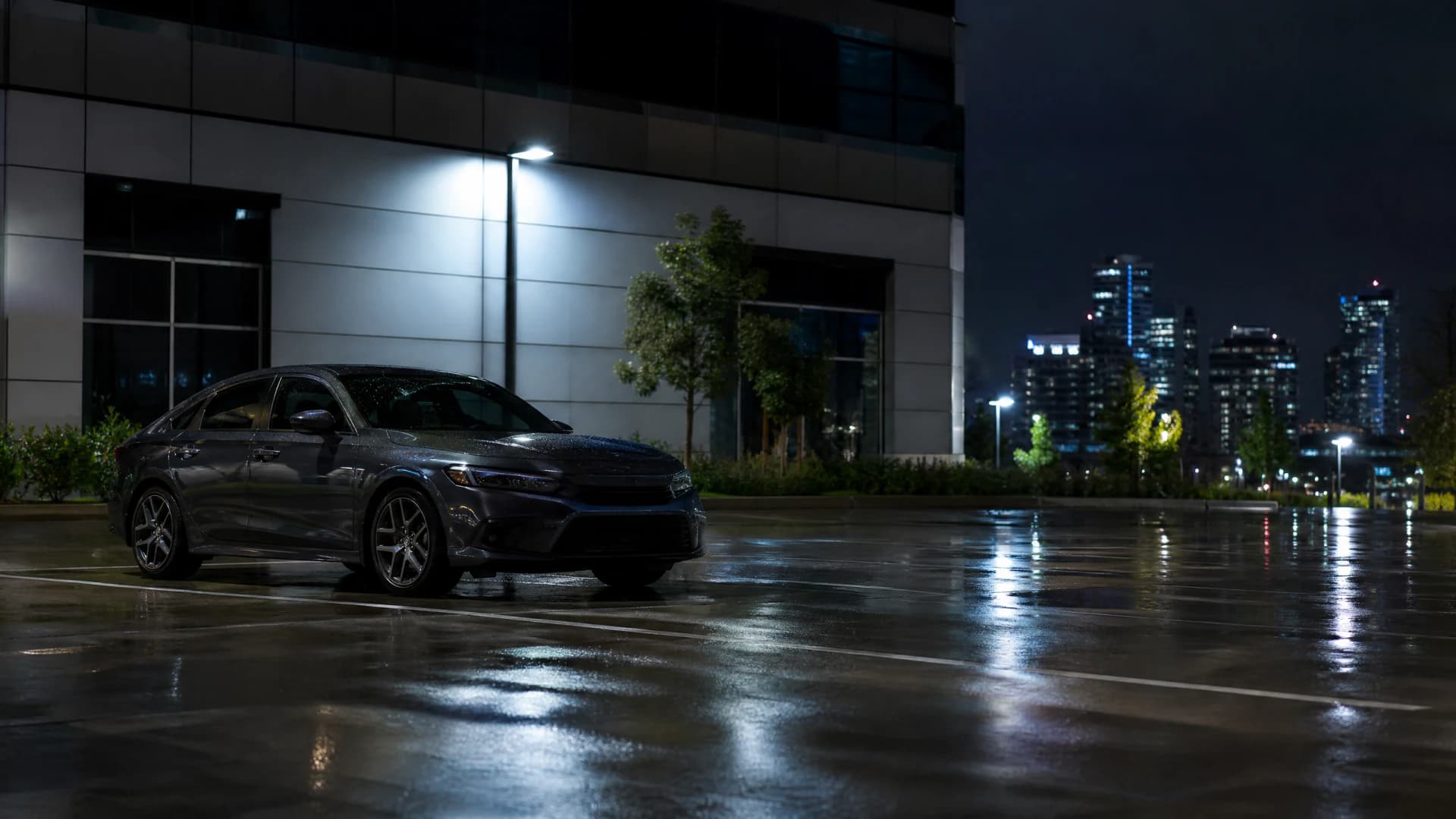
Michigan's $10,000 minimum property-damage liability often cannot cover damage to two vehicles in one crash, leaving your household exposed unless you carry property-damage UIM or collision coverage.
Related Articles



Carrier Availability and Policy-Structure Requirements
Not every carrier writing in Michigan offers underinsured motorist property-damage coverage as a standalone option. Geico, Progressive, State Farm, and Farmers write property-damage UIM in Michigan, but product availability varies by underwriting tier and policy structure. Some carriers bundle property-damage UIM with uninsured motorist coverage; others require you to carry collision on every vehicle before adding the UIM endorsement. A household insuring four vehicles may find that one carrier offers property-damage UIM only if all four vehicles carry collision, while another carrier allows you to add it selectively to the two newer vehicles.
When comparing carriers for a multi-vehicle policy, confirm whether property-damage UIM is available, whether it requires collision on every vehicle, and whether the limit applies per vehicle or per accident. A per-vehicle limit of $50,000 provides better protection for households with multiple cars on one policy.
Bodily-injury UIM availability is broader—most carriers writing in Michigan offer it—but the value proposition is weaker in a no-fault state. Your PIP coverage already handles medical bills and wage loss, so bodily-injury UIM primarily addresses pain-and-suffering damages when you meet Michigan's serious-impairment threshold for tort liability. For households prioritizing vehicle protection across multiple cars, property-damage UIM delivers more concrete value.
$10,000
Michigan Minimum Property Damage
Michigan requires drivers to carry at least $10,000 in property-damage liability. A two-vehicle household hit by a driver carrying the minimum faces a coverage gap if combined repair costs exceed that limit, unless the household carries property-damage UIM or collision coverage on both vehicles.
Michigan Department of Insurance and Financial Services
When to Add UIM to a Multi-Vehicle Policy
Add property-damage UIM if your household insures vehicles with a combined value that exceeds $10,000 and you want protection against underinsured at-fault drivers without paying collision deductibles upfront. This coverage makes the most sense when you carry collision on at least some of your vehicles, because property-damage UIM typically requires collision as a prerequisite. If you have dropped collision on older vehicles, those cars have no property-damage protection unless you carry standalone uninsured motorist property-damage coverage, which some carriers offer without the collision requirement.
Skip property-damage UIM if every vehicle on your policy is older, carries no collision coverage, and has a market value low enough that you would accept the total loss without filing a claim. In that scenario, the premium for property-damage UIM may exceed the benefit. Also skip it if your household's vehicles are garaged in a low-traffic area and your driving patterns minimize exposure to high-risk intersections and highways where underinsured drivers are more likely to cause multi-vehicle crashes.
Compare Carriers That Write Property-Damage UIM in Michigan
Fifteen carriers write auto insurance in Michigan, but not all offer property-damage UIM as a standalone endorsement. Geico, Progressive, State Farm, Farmers, and USAA explicitly write property-damage UIM in Michigan; availability from other carriers varies by underwriting tier and policy structure. When you request quotes for a multi-vehicle policy, ask each carrier whether property-damage UIM is available, whether it requires collision on every vehicle, and whether the limit applies per vehicle or per accident. A per-vehicle limit protects your household better when multiple cars are damaged in one crash. Use the comparison tool to request quotes from carriers that write the coverage your household needs, structured around the vehicles you insure on one policy.
How UIM Layers with Collision Coverage on a Multi-Vehicle Policy
Collision coverage pays for damage to your vehicle regardless of fault, but you pay the deductible first—typically $500 or $1,000 per vehicle. If the at-fault driver is identified and insured, your carrier subrogate against their liability policy to recover the deductible, but that process takes weeks or months. Property-damage UIM, by contrast, waives your collision deductible when the at-fault driver is underinsured, letting you repair both vehicles without the upfront out-of-pocket cost.
A household with three vehicles on one policy faces a choice: carry collision on all three and accept the deductible exposure, or add property-damage UIM to eliminate the deductible when the at-fault driver's limit falls short. The decision hinges on vehicle value and your household's tolerance for upfront repair costs. Older vehicles with low market value often drop collision entirely, making property-damage UIM the only protection against an underinsured at-fault driver. Newer vehicles typically carry both, with UIM acting as the deductible backstop when the other driver is at fault but underinsured.
Get Your Free Quote
Get My Michigan Car Insurance QuoteFrequently Asked Questions
Does Michigan require underinsured motorist coverage?
No. Michigan does not mandate underinsured motorist coverage. You may add it as an optional endorsement to your auto policy, but it is not required to register or legally drive in Michigan.
What is the difference between uninsured and underinsured motorist coverage in Michigan?
Uninsured motorist coverage pays when the at-fault driver carries no insurance at all. Underinsured motorist coverage pays when the at-fault driver has insurance but their liability limit is too low to cover your loss. Both are optional in Michigan.
Does underinsured motorist coverage apply to all vehicles on my policy?
That depends on your carrier and policy structure. Some carriers apply a per-accident limit that covers all vehicles damaged in one crash; others apply a per-vehicle limit. Confirm the limit structure when adding underinsured motorist coverage to a multi-vehicle policy.
Can I add underinsured motorist coverage without collision coverage?
Most carriers require collision coverage as a prerequisite for property-damage underinsured motorist coverage. If you have dropped collision on older vehicles, ask your carrier whether standalone uninsured motorist property-damage coverage is available without the collision requirement.
How does underinsured motorist coverage work with Michigan no-fault PIP?
Michigan's no-fault PIP covers your medical bills and wage loss regardless of fault, so underinsured motorist bodily-injury coverage primarily addresses pain-and-suffering damages when you meet the serious-impairment threshold. Property-damage underinsured motorist coverage protects your vehicles when the at-fault driver's liability limit falls short.
Which carriers in Michigan offer underinsured motorist property-damage coverage?
Geico, Progressive, State Farm, Farmers, and USAA write property-damage underinsured motorist coverage in Michigan. Availability from other carriers varies by underwriting tier and policy structure. Confirm product availability when requesting quotes for a multi-vehicle policy.