
Uninsured Motorist Coverage — Michigan
Free to compare
Michigan Does Not Require Uninsured Motorist Coverage
Michigan does not mandate uninsured motorist coverage on auto insurance policies. The state requires only bodily injury liability of $50,000 per person and $100,000 per accident, property damage liability of $10,000, and personal injury protection. Uninsured motorist coverage is optional — carriers must offer it, but you can decline it in writing.
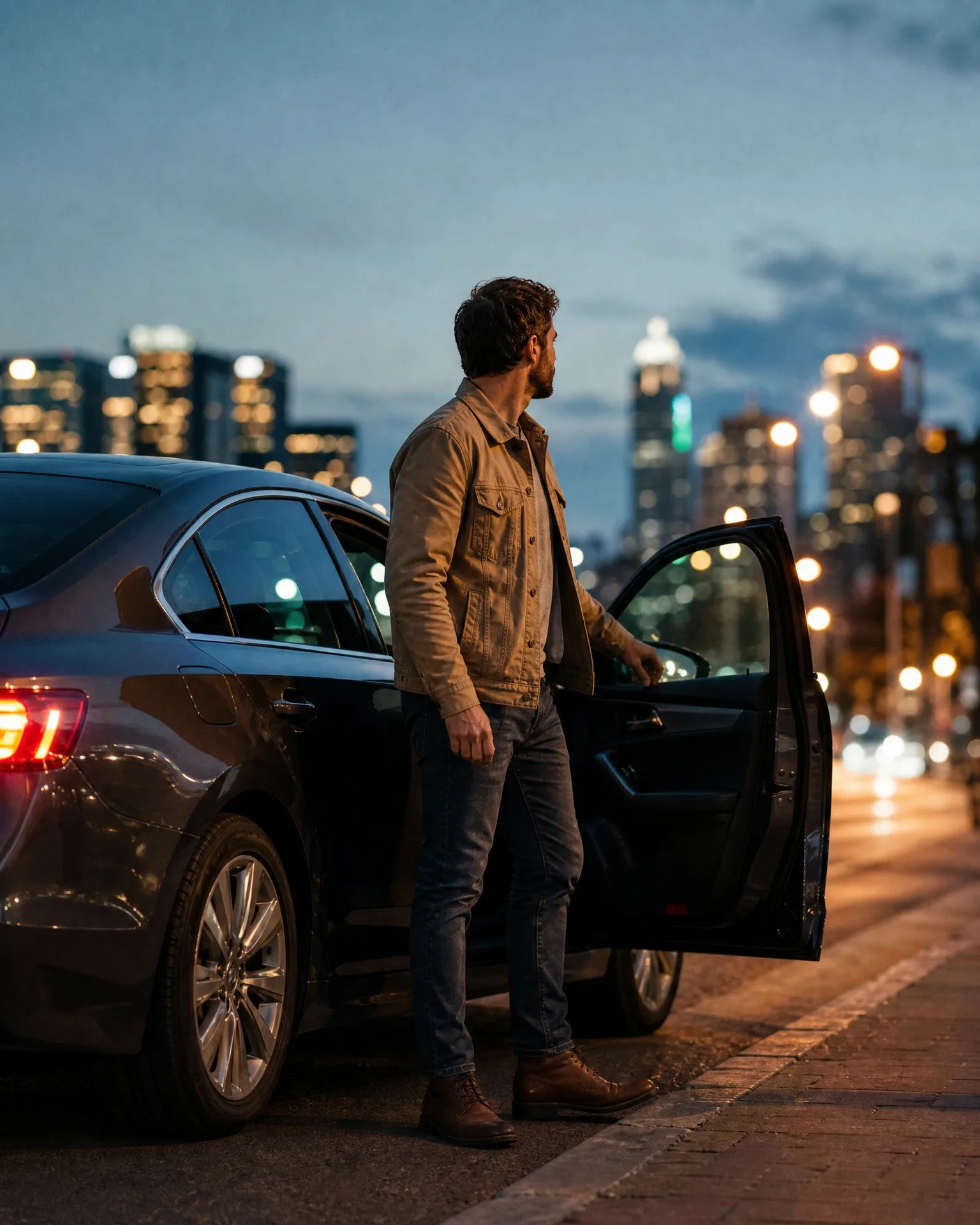
This creates a structural gap for households insuring multiple vehicles. You meet the state's legal requirements without UM coverage, but 22.3% of Michigan drivers carry no insurance. If an uninsured driver hits one of your household's cars, your liability coverage does not pay for your own injuries or vehicle damage. The decision to add UM coverage sits entirely with you, and it applies to every vehicle on the policy.
“22.3% of Michigan drivers carry no insurance — UM coverage fills the gap when one of them hits your household's vehicles.”
Find Coverage That Keeps You Legal in Michigan
Get My Michigan Car Insurance Quote22.3%
Michigan Uninsured Drivers
Nearly one in four Michigan drivers operates without insurance. When an uninsured driver causes an accident, your liability coverage does not cover your own medical bills or vehicle repairs — only damage you cause to others.
Insurance Information Institute, 2023
How Uninsured Motorist Coverage Works on a Multi-Vehicle Policy
Uninsured motorist coverage pays for injuries and, when you add the property damage component, vehicle damage caused by a driver with no insurance or insufficient liability limits. The coverage applies per person and per accident, mirroring the structure of your liability limits.
On a multi-vehicle policy, UM coverage applies to every listed vehicle and every household member driving those vehicles. You do not select UM coverage separately for each car — the policy-level limits cover all vehicles. If an uninsured driver hits your second car while your spouse is driving, the same UM coverage that protects your first car applies.
Michigan carriers offer UM coverage in two forms: bodily injury only, and bodily injury plus property damage. Bodily injury UM pays medical bills, lost wages, and pain and suffering when an uninsured driver injures you or a household member. Property damage UM pays to repair or replace your vehicle. You can carry one without the other, but most households with multiple vehicles add both to avoid out-of-pocket repair costs on any car in the household.
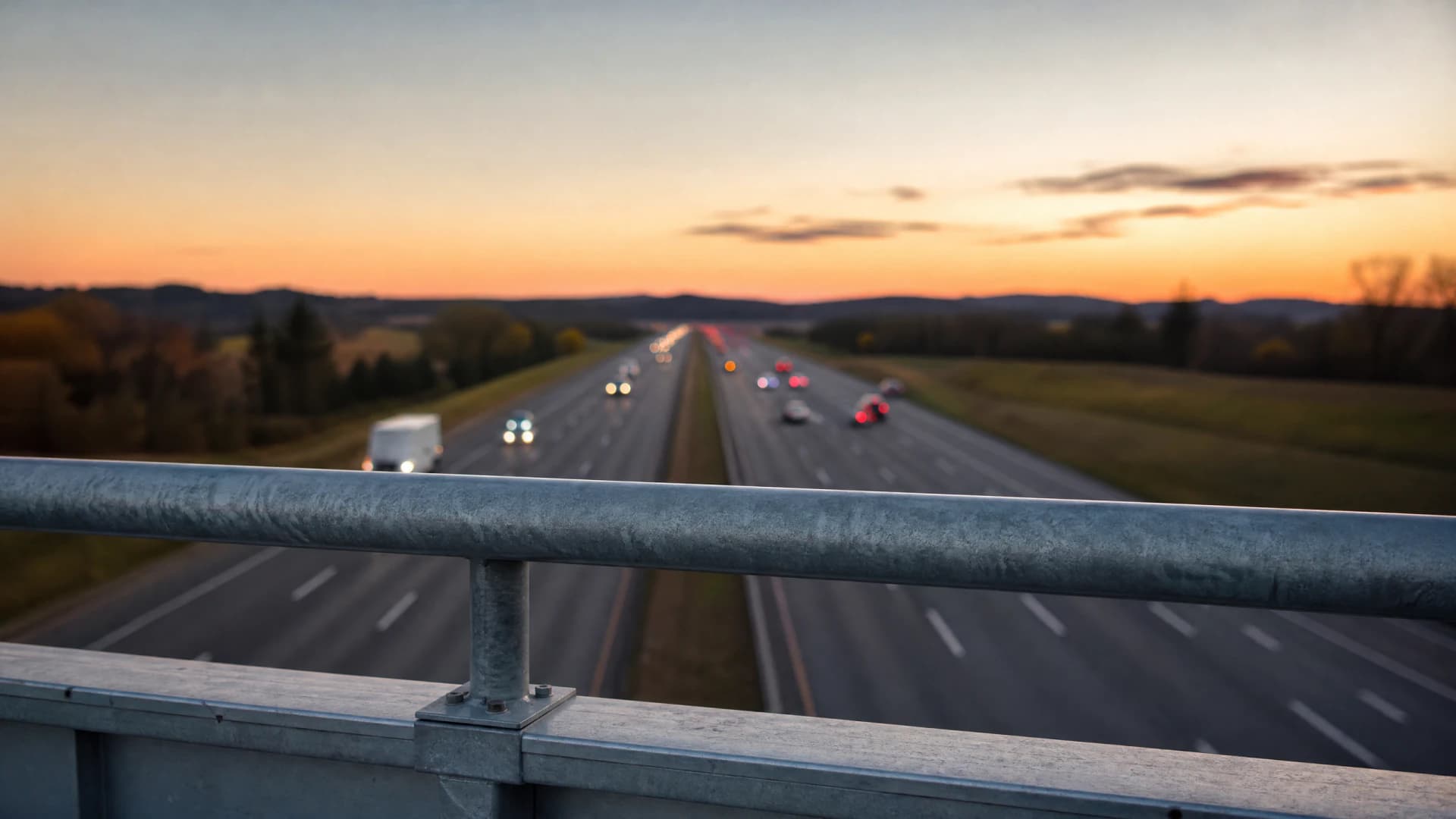
If you decline UM coverage in writing, an uninsured driver's collision with any of your household's vehicles leaves you paying medical bills and repair costs yourself.




Structuring UM Coverage Across Multiple Vehicles
When you add UM coverage to a multi-vehicle policy, the per-person and per-accident limits apply to every vehicle and every driver on the policy. You do not split the coverage among cars.
Households often select UM limits that match their liability limits. Lower UM limits reduce the premium but leave a gap if injuries exceed the coverage. Higher UM limits cost more but provide greater protection across all household vehicles.
Adding UM property damage requires deciding whether to include a deductible. Some carriers offer UM property damage with no deductible, meaning the coverage pays the full repair cost after the at-fault driver's liability coverage is exhausted. On a household with three or four vehicles, a deductible-free UM property damage option can be worth the higher premium if the risk of an uninsured driver hitting any of your cars justifies the cost.
$50,000 / $100,000
Michigan Minimum Liability Limits
Michigan requires $50,000 bodily injury per person and $100,000 per accident. An uninsured driver carries none of this. UM coverage at matching or higher limits ensures you have the same financial protection whether the other driver is insured or not.
Michigan Department of Insurance and Financial Services
Comparing Carriers That Write Multi-Vehicle UM Coverage in Michigan
Fifteen carriers write auto insurance in Michigan and offer UM coverage as an optional add-on. Allstate, Auto-Owners, Farmers, Geico, Liberty Mutual, Nationwide, Progressive, and State Farm all write multi-vehicle policies with UM bodily injury and UM property damage options. USAA writes policies for military-affiliated households and includes UM coverage in its standard offering.
Carriers structure UM property damage differently. Some include it as part of the UM bodily injury endorsement; others offer it as a separate line item with its own deductible. When you compare carriers for a multi-vehicle household, ask whether UM property damage includes a deductible, whether the deductible applies per vehicle or per accident, and whether the carrier offers stacked or unstacked UM limits. Stacked UM multiplies your per-vehicle limits by the number of vehicles on the policy, increasing total coverage but also increasing the premium. Unstacked UM applies the same per-person and per-accident limits regardless of how many vehicles you insure.
Compare UM Coverage Options for Your Household
Michigan does not require UM coverage, but the decision to add it affects every vehicle on your policy. If an uninsured driver hits any of your household's cars, UM coverage pays medical bills and repair costs your liability coverage does not cover. Without it, you pay those costs yourself. Compare carriers that write multi-vehicle policies in Michigan and request UM bodily injury and UM property damage quotes at limits that match or exceed your liability coverage. The premium difference between declining UM and adding it at full limits tells you the cost of closing the gap the state leaves open.
When Uninsured Motorist Coverage Pays and When It Does Not
UM bodily injury pays when an uninsured or underinsured driver causes an accident that injures you, a household member, or a passenger in one of your vehicles. It covers medical bills, rehabilitation, lost income, and pain and suffering up to your selected limits. UM property damage pays to repair or replace the vehicle the uninsured driver hit, minus your deductible if the policy includes one. Both coverages require the other driver to be at fault — if you cause the accident, UM does not apply.
UM coverage does not pay for damage you cause to your own vehicle in a single-car accident, weather damage, theft, or vandalism. Those risks require collision and comprehensive coverage. It also does not pay if the at-fault driver carries liability insurance that meets or exceeds your UM limits — the other driver's liability coverage pays first, and UM steps in only when that coverage is absent or insufficient. On a multi-vehicle household policy, this distinction matters: UM protects you from uninsured drivers, but it does not eliminate the need for collision and comprehensive on vehicles you want fully protected.
Get Your Free Quote
Get My Michigan Car Insurance QuoteFrequently Asked Questions
Does Michigan require uninsured motorist coverage on all auto policies?
No. Michigan does not require uninsured motorist coverage. Carriers must offer it, but you can decline it in writing. The state requires only liability, property damage, and personal injury protection.
What does uninsured motorist coverage pay for on a multi-vehicle policy?
UM bodily injury pays medical bills, lost wages, and pain and suffering when an uninsured driver injures you or a household member in any of your listed vehicles. UM property damage pays to repair or replace the vehicle the uninsured driver hit.
How do UM coverage limits apply across multiple vehicles on one policy?
UM limits apply per person and per accident, not per vehicle.
Should I match my UM limits to my liability limits?
Matching UM limits to liability limits ensures you have the same financial protection whether you cause an accident or an uninsured driver causes one. Lower UM limits reduce the premium but leave a gap if injuries exceed the coverage.
What is the difference between stacked and unstacked UM coverage?
Stacked UM multiplies your per-vehicle limits by the number of vehicles on the policy, increasing total coverage and premium. Unstacked UM applies the same per-person and per-accident limits regardless of how many vehicles you insure.
Does UM property damage include a deductible in Michigan?
It depends on the carrier. Ask whether the deductible applies per vehicle or per accident when comparing carriers.