
Financed Car Liability Coverage — Michigan
Free to compare
When Your Lender Requires More Than the State
You financed a car in Michigan and now face two separate sets of insurance requirements: the state's legal minimum and your lender's contractual minimum. Michigan law requires $50,000 bodily injury per person, $100,000 per accident, $10,000 property damage, and personal injury protection. Your finance agreement requires comprehensive and collision coverage on top of that. These are not the same thing, and confusion between them creates coverage gaps that trigger forced-place insurance.
The state requirement is what you need to register and legally drive. The lender requirement is what you agreed to when you signed the loan contract. You can meet the state requirement and still violate your loan contract. The lender does not care whether Michigan law requires collision coverage — your contract does, and that contract is enforceable independently of state insurance law.
“You can meet Michigan's legal requirement and still violate your loan contract — the lender does not care whether state law requires collision coverage.”

Find Coverage That Keeps You Legal in Michigan
Get My Michigan Car Insurance Quote$50,000/$100,000/$10,000
Michigan Liability Minimum
Michigan requires $50,000 bodily injury per person, $100,000 per accident, and $10,000 property damage. Personal injury protection is also mandatory. These minimums do not include comprehensive or collision coverage.
Michigan Department of Insurance and Financial Services
What Michigan Law Actually Requires
Michigan law does not require comprehensive or collision coverage on any vehicle, financed or not. The state mandates liability coverage at the minimums listed above, plus personal injury protection. Uninsured motorist coverage is not required. You can legally register and drive a financed car in Michigan with only liability and PIP if the state is your only concern.
The problem is that the state is not your only concern. Your lender holds a lien on the vehicle, and that lien gives them the right to require insurance that protects their financial interest. Comprehensive and collision coverage protects the lender if the car is totaled or stolen before you finish paying off the loan. Michigan law does not require it, but your contract does.
When you carry only liability and PIP on a financed vehicle, you meet the state requirement but breach the loan contract. The lender can respond by purchasing forced-place insurance on your behalf and adding the premium to your loan balance. Forced-place coverage is expensive, covers only the lender's interest, and does not protect you as the driver.
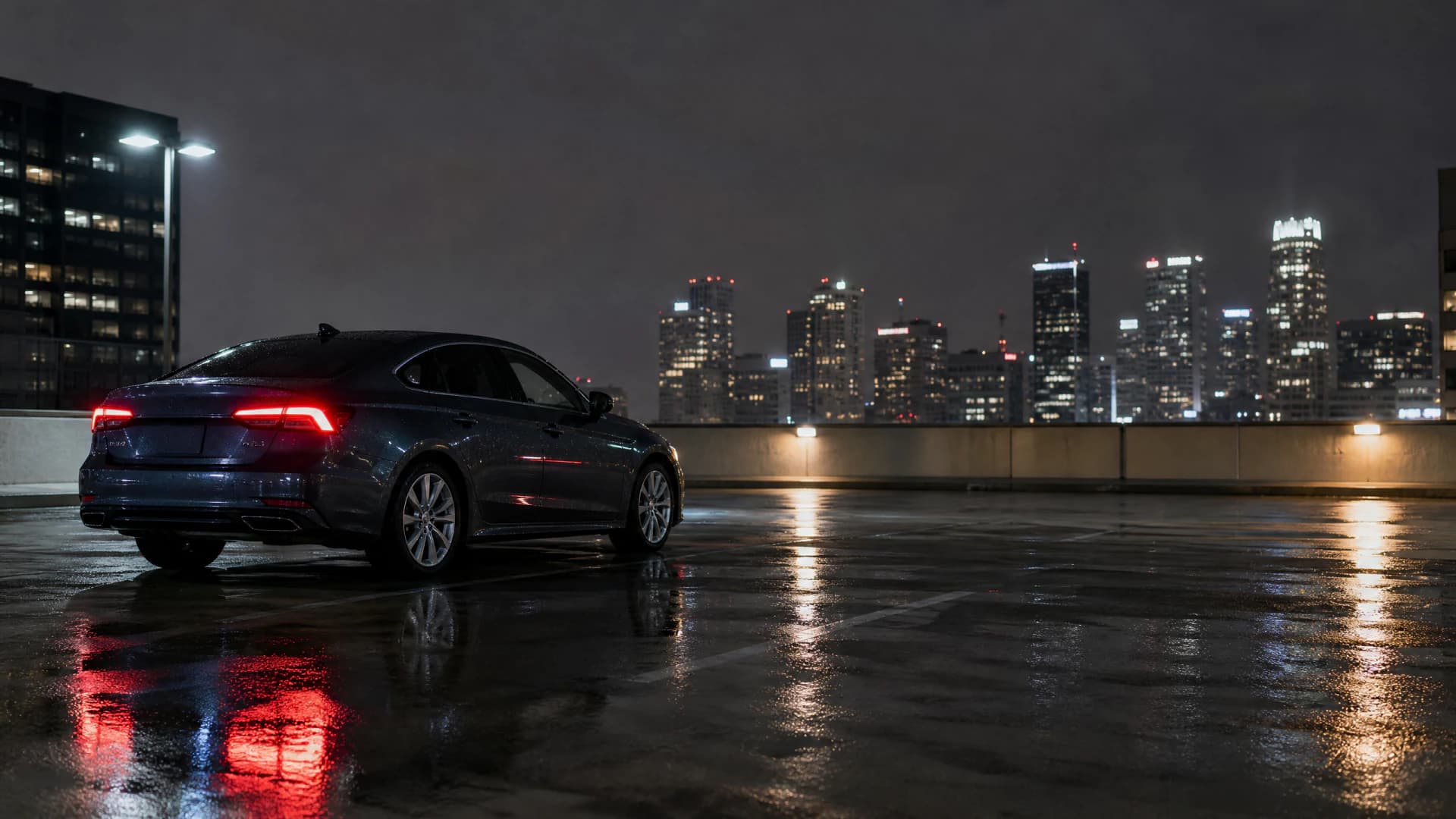
Liability-only coverage on a financed car meets Michigan's legal requirement but violates your loan contract, triggering forced-place insurance that protects the lender, not you.





How Forced-Place Insurance Works
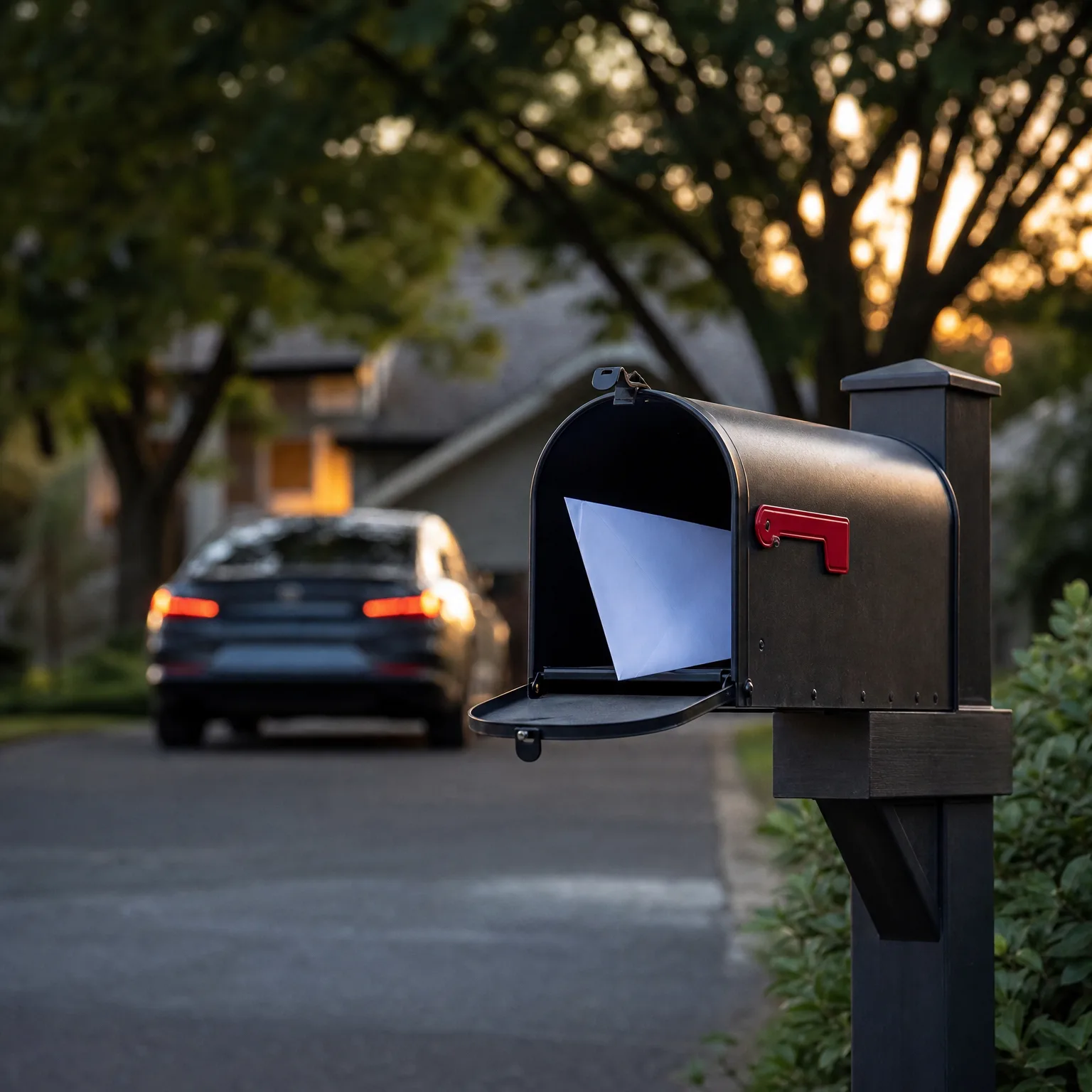
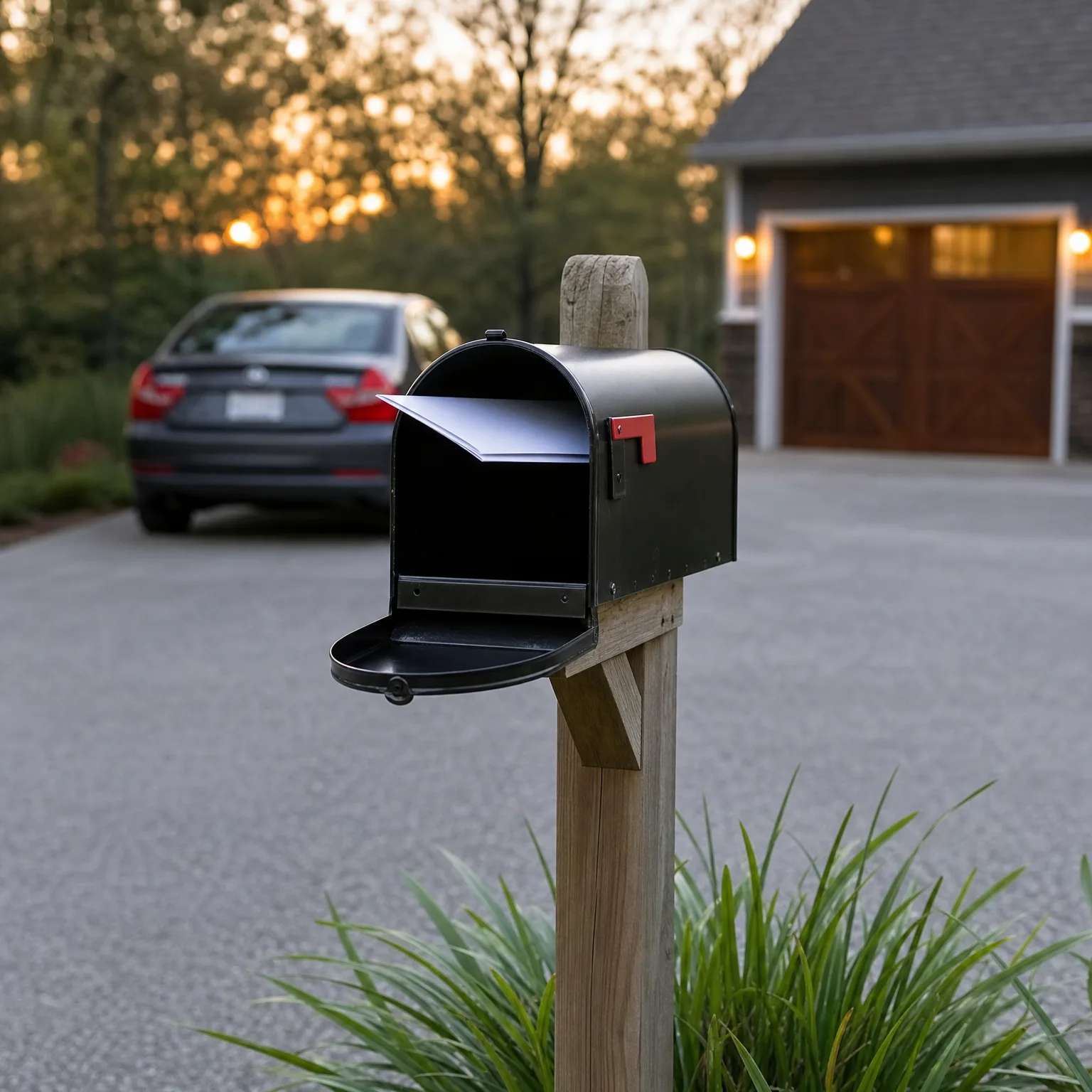
When your lender detects that you dropped comprehensive or collision coverage, they send a notice giving you 10 to 30 days to reinstate the required coverage. If you do not respond, the lender purchases collateral protection insurance on your behalf and adds the premium to your loan balance. This is called forced-place insurance, and it is significantly more expensive than coverage you purchase yourself.
Forced-place insurance covers only the lender's interest in the vehicle. It does not cover your liability to other drivers, your medical expenses, or damage you cause. You remain personally liable for those costs. The premium is typically two to three times the cost of a standard comprehensive and collision policy, and it accrues interest as part of your loan balance. You cannot cancel it until you provide proof of lender-required coverage.
Lenders monitor coverage through electronic verification systems that flag lapses within days. Some contracts allow the lender to backdate the forced-place premium to the date your coverage lapsed, meaning you pay for coverage you did not have. The only way to remove forced-place insurance is to purchase a policy that meets the lender's requirements and provide proof to the loan servicer.
22.3%
Michigan Uninsured Motorist Rate
More than one in five Michigan drivers operates without insurance, increasing the risk of unrecoverable losses in a collision. Comprehensive and collision coverage protects you when the at-fault driver cannot pay.
Insurance Research Council, 2023

When You Can Drop Comprehensive and Collision
You can drop comprehensive and collision coverage once the loan is paid off and the lender releases the lien. At that point, you own the vehicle outright, and no contract requires you to carry physical damage coverage. Michigan law still requires liability and PIP, but comprehensive and collision become optional. Whether you should drop them depends on the vehicle's value and your ability to replace it out of pocket if it is totaled.
Some borrowers refinance with a lender that does not require comprehensive and collision, typically when the vehicle's value has depreciated below the loan balance and the lender no longer views it as adequate collateral. This is rare and usually applies only to older vehicles with high mileage. Most lenders require full coverage for the life of the loan regardless of depreciation.
Compare Carriers That Write Full Coverage
Michigan has 16 carriers writing standard and non-standard auto policies, including Allstate, Geico, Progressive, State Farm, and USAA. Premium varies significantly by carrier, vehicle, location, and driving history. Comprehensive and collision premiums depend on the vehicle's actual cash value and the deductible you choose. A $500 deductible costs more per month than a $1,000 deductible, but reduces your out-of-pocket cost at claim time.
When you finance a car, get quotes that include the lender-required coverages before you finalize the loan. Some carriers offer lower comprehensive and collision rates for newer vehicles, while others price them higher. Comparing quotes across multiple carriers ensures you meet both the state requirement and the lender requirement without overpaying. Use the site's comparison tool to see which carriers write full coverage policies in Michigan and request quotes that match your loan contract's requirements.
What Your Lender Requires and Why
Comprehensive coverage pays for damage to the vehicle from non-collision events: theft, vandalism, fire, hail, flood, and animal strikes. Collision coverage pays for damage from crashes, regardless of fault. Together, these coverages ensure the lender can recover the loan balance if the car is totaled or stolen before you finish paying. The lender is listed as the loss payee on the policy, meaning claim payments go to them first.
The loan contract specifies minimum deductibles, typically $500 or $1,000 for both comprehensive and collision. Some contracts also require gap insurance, which covers the difference between the car's actual cash value and the remaining loan balance if the vehicle is totaled. You cannot drop comprehensive or collision until the loan is paid off or refinanced with a lender that does not require them. Doing so without lender approval triggers forced-place insurance within 30 to 60 days.
Get Your Free Quote
Get My Michigan Car Insurance QuoteFrequently Asked Questions
Can I legally drive a financed car in Michigan with only liability insurance?
Yes, Michigan law allows you to register and drive with only liability and PIP coverage. However, your loan contract requires comprehensive and collision coverage, and driving without them breaches that contract. The lender can purchase forced-place insurance and add the premium to your loan balance.
What happens if I drop comprehensive and collision on a financed car?
Your lender will detect the lapse within days and send a notice requiring you to reinstate coverage within 10 to 30 days. If you do not respond, the lender purchases forced-place insurance on your behalf at a significantly higher premium and adds it to your loan balance.
Does forced-place insurance cover me as the driver?
No, forced-place insurance covers only the lender's financial interest in the vehicle. It does not cover your liability to other drivers, your medical expenses, or damage you cause. You remain personally liable for those costs and still need a separate liability policy to meet Michigan's legal requirement.
When can I drop comprehensive and collision coverage in Michigan?
You can drop comprehensive and collision once the loan is paid off and the lender releases the lien. At that point, Michigan law no longer requires physical damage coverage, though you may choose to keep it based on the vehicle's value and your ability to replace it.
What deductible does my lender require for comprehensive and collision?
Most loan contracts specify a maximum deductible of $500 or $1,000 for both comprehensive and collision. Check your loan agreement for the exact requirement. Choosing a higher deductible lowers your premium but increases your out-of-pocket cost at claim time.