
Ticket Rate Impact — Michigan
Free to compare
One Ticket Re-Rates Every Vehicle
You received a moving violation and your household insures three vehicles on one policy. The ticket went to one driver, but the carrier re-rated all three cars. This is not an error. Michigan carriers assign every rated driver in the household to every vehicle on the policy for underwriting purposes, regardless of which car each person actually drives.
The multi-car discount still applies after the ticket — you do not lose it for a single violation — but the base premium for every vehicle increases because the household now carries a higher-risk driver. The carrier does not isolate the violation to the one car the ticketed driver uses. The entire policy reprices at renewal.
“Michigan carriers assign every household driver to every vehicle for rating, so one driver's ticket re-rates all three cars.”

Find Coverage That Keeps You Legal in Michigan
Get My Michigan Car Insurance Quote$50,000/$100,000/$10,000
Michigan Minimum Liability
Michigan requires $50,000 bodily injury per person, $100,000 per accident, and $10,000 property damage. A ticket does not change these minimums, but carriers often require higher limits after violations to maintain coverage on a multi-car policy.
Michigan Secretary of State
How Michigan Assigns Drivers to Vehicles
Michigan carriers rate multi-car policies by assigning every licensed driver in the household to every vehicle, then calculating the highest-risk pairing for each car. If your household has two drivers and three vehicles, the carrier assigns both drivers to all three cars and prices each vehicle based on the riskier driver's record.
When one driver receives a ticket, that driver's risk profile rises. The carrier recalculates every vehicle's premium using the new profile. The car the ticketed driver never touches still reprices because the carrier assumes any household driver could operate any household vehicle.
This assignment method means a teenager's speeding ticket raises the premium on the parents' sedan even if the teen is explicitly excluded from that car. Exclusions prevent a driver from being covered on a specific vehicle, but they do not prevent that driver's record from affecting the vehicle's base rate calculation in Michigan.
Some carriers allow you to assign a primary driver to each vehicle and price based on that assignment, but the household's overall risk pool still includes every driver. The ticket affects the pool, which affects every vehicle's rate.
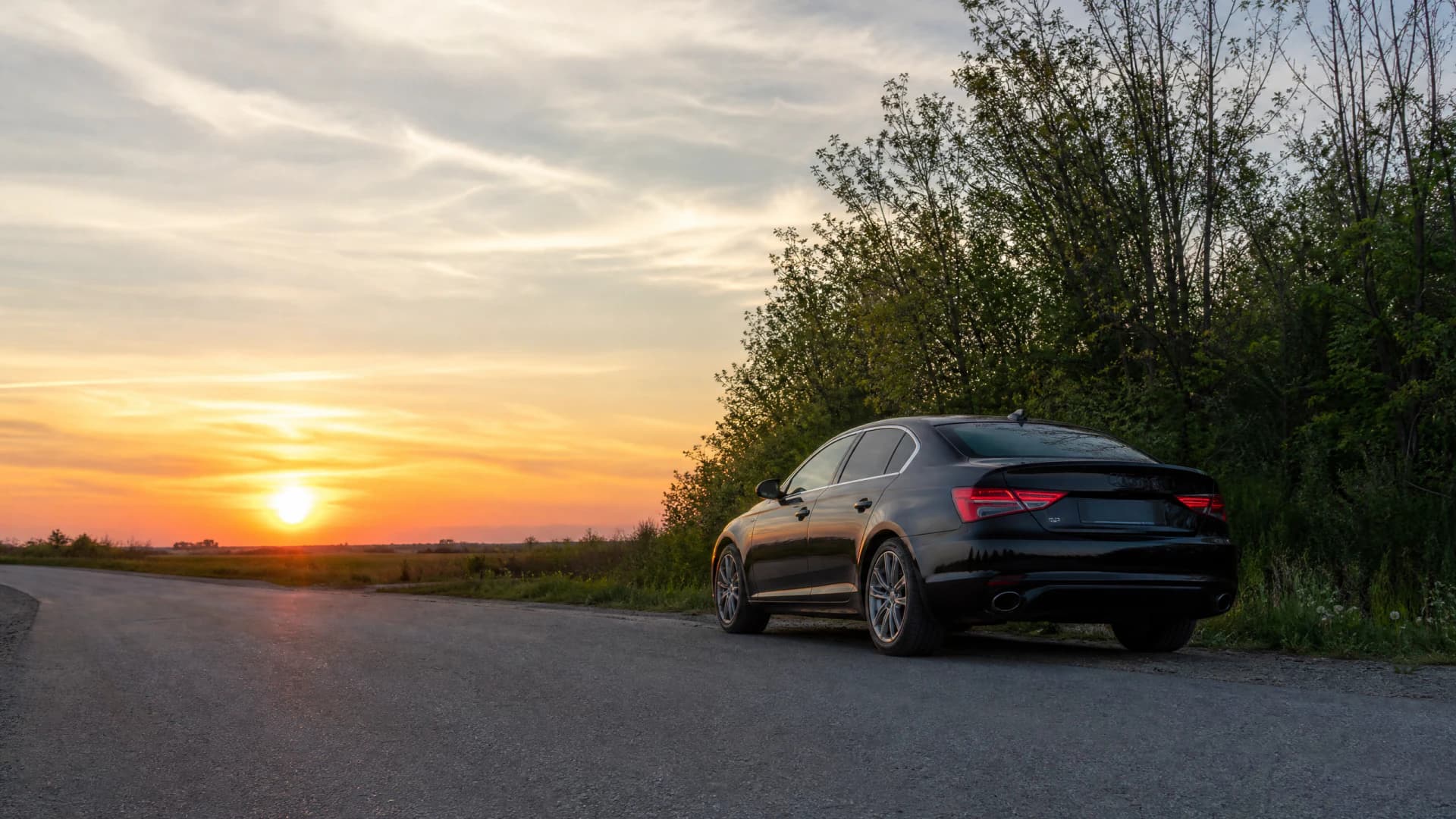
A single ticket in a multi-car household re-rates every vehicle on the policy at renewal, regardless of which driver operates which car.




Carrier Options After a Ticket in Michigan
Not every carrier treats post-ticket households the same way. Some carriers non-renew a policy after a single major violation; others surcharge and continue coverage. Michigan law allows carriers to non-renew at the end of any term for underwriting reasons, including a driver's ticket.
If your current carrier non-renews, you move to a carrier that writes post-violation multi-car policies. Michigan has 16 carriers writing standard and non-standard auto insurance, including several that specialize in households with recent violations. Carriers writing after-ticket coverage in Michigan include Geico, Progressive, Farmers, National General, Bristol West, and Direct Auto.
Standard-tier carriers such as State Farm and Allstate may keep you after a minor speeding ticket but move you to a higher rate class. Non-standard carriers such as Bristol West and Direct Auto write policies specifically for drivers with violations and typically offer multi-car discounts even when the household includes a ticketed driver.
When comparing carriers after a ticket, confirm that the quote includes every vehicle and every driver in your household. A quote that excludes the ticketed driver or one of the vehicles is not valid for a multi-car policy covering the whole household.
16 carriers
Michigan Multi-Car Carriers
Michigan has 16 carriers writing multi-car policies, including standard, non-standard, and post-violation specialists. Not all write households with recent tickets, but several carriers in the state roster specialize in post-violation coverage.
Multi-Car Discount After a Violation
The multi-car discount applies to the number of vehicles on the policy, not to the drivers' records. A ticket does not eliminate the discount. If you insure three cars on one policy before the ticket, you still insure three cars on one policy after the ticket, and the discount still applies.
The discount reduces the total premium by a percentage, but that percentage applies to a higher base rate after the ticket. The net result is a higher absolute premium even with the discount in place. Splitting the vehicles onto separate policies after a ticket costs more than keeping them together, because you lose the multi-car discount and pay separate policy fees for each vehicle.
Compare Carriers With Your Household Profile
Carriers price post-ticket multi-car policies differently. One carrier may surcharge heavily for a speeding ticket; another may treat the same violation as a minor factor. The only way to know which carrier offers the lowest rate for your specific household is to compare quotes that include every vehicle, every driver, and the ticket on the relevant driver's record.
When requesting quotes, provide the exact violation type, the conviction date, and the driver to whom it applies. Omitting the ticket produces an invalid quote that the carrier will correct upward once they pull the driving record. Provide accurate information up front so the quote reflects the actual premium you will pay. Use the comparison tool to request quotes from multiple Michigan carriers that write multi-car policies for households with violations.
What Happens at Renewal After a Ticket
Michigan carriers pull driving records 30 to 60 days before renewal. The ticket appears on the Motor Vehicle Record maintained by the Secretary of State, and the carrier imports it into your policy file. At renewal, the carrier recalculates the premium for every vehicle using the updated driver profile. You receive a renewal notice showing the new rate. The increase applies to the entire policy term, typically six or twelve months.
The violation stays on your Michigan driving record for two years from the conviction date. Most carriers surcharge for three years. After the surcharge period ends, the carrier re-rates the policy again and the premium drops back toward the pre-ticket level, assuming no new violations occurred. The multi-car discount remains in place throughout — you do not lose it unless you drop below two vehicles on the policy.
Get Your Free Quote
Get My Michigan Car Insurance QuoteFrequently Asked Questions
Does a speeding ticket affect all cars on a Michigan multi-car policy?
Yes. Michigan carriers assign every household driver to every vehicle for underwriting, so a ticket received by one driver raises the premium on all vehicles at renewal. The carrier re-rates the entire policy, not just the car the ticketed driver uses.
Will I lose my multi-car discount after getting a ticket in Michigan?
No. The multi-car discount applies to the number of vehicles on the policy, not to driver records. A ticket raises the base premium, but the discount remains as long as you insure two or more vehicles on one policy.
How long does a ticket affect my Michigan car insurance rate?
Most Michigan carriers surcharge for three years from the conviction date, even though the violation stays on your driving record for two years. After the surcharge period ends, the carrier re-rates the policy and the premium drops if no new violations occurred.
Can I exclude the ticketed driver from some vehicles to lower the rate?
Excluding a driver prevents them from being covered on a specific vehicle, but it does not remove their record from the household risk pool. Michigan carriers still factor the excluded driver's violation into the base rate calculation for every vehicle on the policy.
Which Michigan carriers write multi-car policies after a ticket?
Geico, Progressive, Farmers, National General, Bristol West, and Direct Auto all write multi-car policies for Michigan households with recent violations. Standard-tier carriers may keep you after a minor ticket; non-standard carriers specialize in post-violation coverage.
Should I split my vehicles onto separate policies after a ticket?
No. Splitting vehicles onto separate policies eliminates the multi-car discount and adds separate policy fees for each vehicle. Keeping all vehicles on one policy costs less even with the post-ticket rate increase.