
Optional Car Insurance Coverages Worth It — Michigan
Free to compare
When Optional Coverage Decisions Multiply Across Vehicles
You carry two or three vehicles on one Michigan policy. You've already paid for the state's mandatory $50,000 per person, $100,000 per accident bodily injury liability, $10,000 property damage, and personal injury protection. Now your carrier quotes collision, comprehensive, and rental reimbursement as optional add-ons, and you're trying to decide whether to buy them for all vehicles, some vehicles, or none.
The decision is harder when you insure multiple cars because optional coverages multiply the premium impact. A $500 collision deductible on one vehicle might add a manageable amount; the same deductible on three vehicles compounds quickly. At the same time, your household's total asset exposure is higher — if two cars are totaled in separate incidents within the same policy term, you face two replacement costs. This article walks through which optional coverages justify their cost in a multi-vehicle Michigan household, and when it makes sense to split coverage levels across your cars.
“Optional coverages multiply premium impact across vehicles, but so does your household's total replacement-cost exposure when multiple cars sit in the same driveway.”

Find Coverage That Keeps You Legal in Michigan
Get My Michigan Car Insurance Quote$50,000 / $100,000 / $10,000
Michigan Minimum Liability
Michigan requires $50,000 bodily injury per person, $100,000 per accident, and $10,000 property damage. These minimums are among the highest in the country, which means your mandatory baseline premium is already elevated before adding optional coverages.
Michigan Department of Insurance and Financial Services
What Optional Actually Means in Michigan
Collision pays to repair or replace your vehicle after a crash with another car or object, regardless of fault. Comprehensive pays for damage from theft, vandalism, weather, fire, or animal strikes. Rental reimbursement covers a rental car while your vehicle is in the shop after a covered claim. Roadside assistance pays for towing, lockout service, and flat tire changes. Gap insurance covers the difference between your vehicle's actual cash value and your loan balance if the car is totaled.
None of these are required by Michigan law. Your lender may require collision and comprehensive if you finance or lease a vehicle, but once the loan is paid off, the choice is yours. Personal injury protection is mandatory in Michigan, so medical expenses after an accident are already covered under PIP — rental reimbursement and collision are the optional layers that address vehicle replacement and transportation continuity.
The structural reality: optional coverages protect your household's vehicle assets and transportation continuity, not your legal compliance. If you can replace a totaled vehicle out of pocket and manage without a car for two weeks, you can skip collision and comprehensive. If losing a car would strand your household or force you into high-interest replacement financing, optional coverages shift that risk to the carrier.
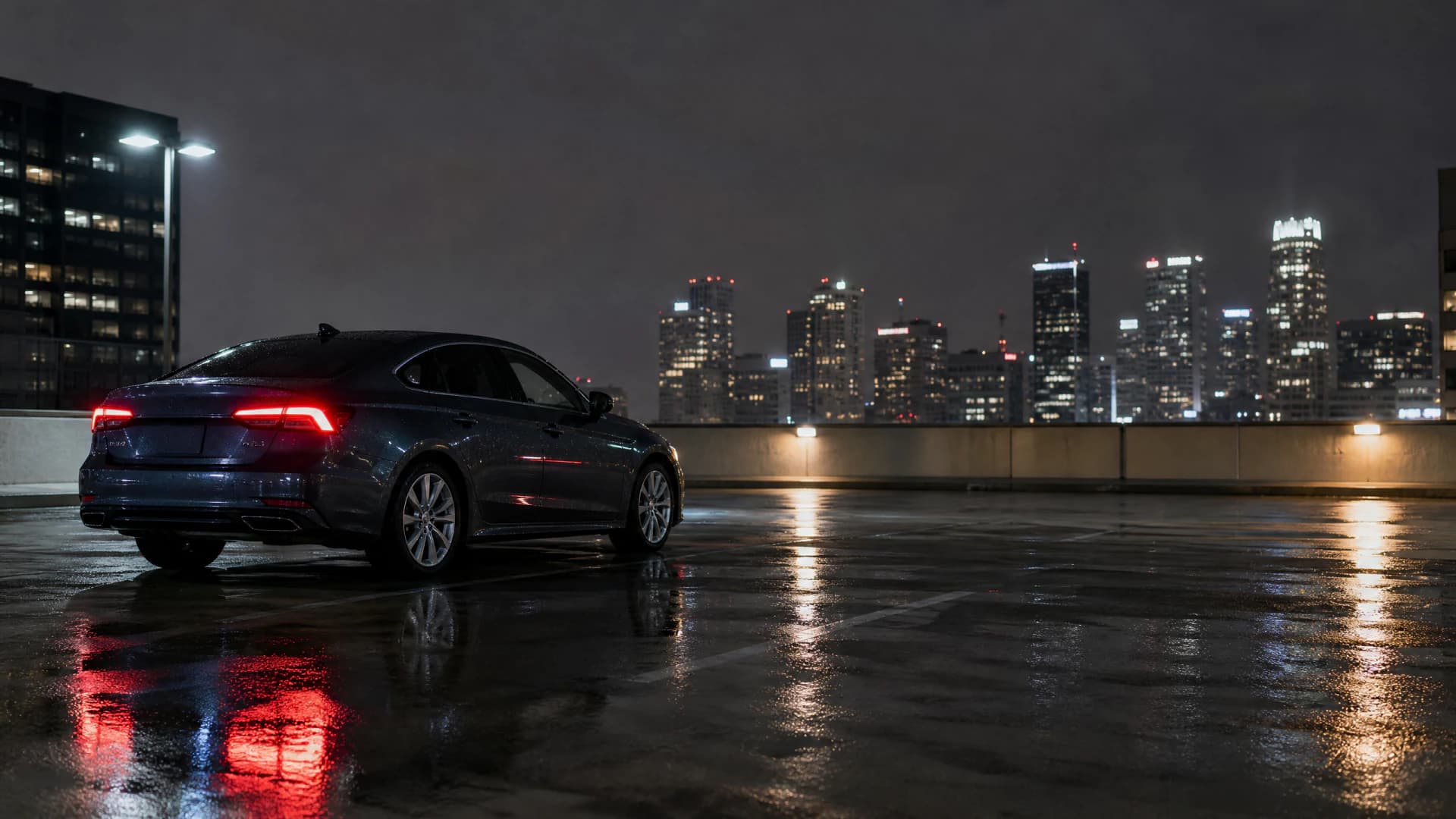
Optional coverages multiply premium impact across vehicles, but so does your household's total replacement-cost exposure when multiple cars sit in the same driveway.
Related Articles




Rental Reimbursement and the Multi-Vehicle Household
It does not cover rentals for routine maintenance, mechanical breakdowns, or non-covered incidents.
In a multi-vehicle household, rental reimbursement is often redundant. If one car is in the shop after a collision, your household still has one or two other vehicles for daily transportation. Rental reimbursement makes sense when losing one vehicle leaves your household without enough cars for work commutes, school runs, or other non-negotiable trips — for example, a household with three drivers and two cars, where both adults commute in opposite directions and a teenager drives to school.
If your household has more vehicles than daily drivers, rental reimbursement is usually skippable. If your household has fewer vehicles than drivers who need them simultaneously, rental reimbursement can prevent a two-week disruption from turning into a logistics crisis.
22.3%
Michigan Uninsured Motorist Rate
More than one in five Michigan drivers operates without insurance. Uninsured motorist coverage is optional in Michigan, but it protects your household when an at-fault driver cannot pay for the damage they caused to your vehicle or injuries they caused to you.
Insurance Research Council, 2023

Uninsured Motorist Coverage: Optional but High-Value
Uninsured motorist property damage pays to repair your vehicle when an uninsured or hit-and-run driver causes a collision and you can identify the at-fault party. Uninsured motorist bodily injury covers medical expenses and lost wages when an uninsured driver injures you or your passengers, supplementing Michigan's mandatory PIP coverage. Both are optional in Michigan, but given the state's 22.3% uninsured rate, they address a common exposure.
In a multi-vehicle household, uninsured motorist coverage protects every car on the policy. If an uninsured driver totals your vehicle and you carry only liability and PIP, you file a collision claim and pay your deductible — or, if you dropped collision to save money, you replace the car out of pocket. Uninsured motorist property damage eliminates that gap. The coverage is inexpensive relative to collision because it only pays when the other driver is at fault and uninsured, not in every collision scenario. For households that dropped collision on older vehicles to control premium costs, uninsured motorist property damage is a partial hedge that costs far less than full collision coverage.
Splitting Coverage Levels Across Your Vehicles
Michigan allows you to carry different optional coverage levels on different vehicles within the same policy. A common structure: full collision and comprehensive with a $500 deductible on financed or newer vehicles, liability-only on an older paid-off car, and rental reimbursement on the primary commuter vehicle only. This approach tailors premium spend to each vehicle's role and value.
Your carrier re-rates the entire policy whenever you add or remove a vehicle or change coverage on an existing one, so the premium impact of splitting coverages is not always linear. Dropping collision on one vehicle might reduce your household premium by less than you expect if that vehicle's collision premium was already discounted due to the multi-car policy structure.
The decision framework: collision and comprehensive justify their cost when the vehicle's replacement value exceeds your household's liquidity and the annual premium is less than 10% of the vehicle's current market value. Rental reimbursement justifies its cost when your household has fewer vehicles than simultaneous drivers. Uninsured motorist property damage justifies its cost in Michigan's high-uninsured-driver environment, especially for households that dropped collision on older cars. Review each vehicle individually, then compare the household-wide premium impact of different coverage combinations before finalizing.

Compare Carriers That Write Multi-Vehicle Michigan Policies
Optional coverage pricing varies significantly across carriers. Carriers that specialize in multi-vehicle households often build their pricing models to reward same-policy consolidation, which can make optional coverages more affordable than they would be on separate policies.
Michigan Car Insurance Requirements connects you with carriers writing multi-vehicle policies in Michigan. Compare quotes that reflect your household's actual vehicle count, coverage preferences, and driver roster. Enter your vehicles, select the optional coverages you're considering, and review premiums from carriers that write your household's structure. The comparison takes under five minutes and shows you which optional coverages justify their cost across your specific vehicles.
Collision and Comprehensive: When They Justify the Cost
In that scenario, self-insuring the vehicle and carrying only Michigan's mandatory coverages is often the better financial decision.
The calculus shifts when you insure multiple vehicles. If you carry three cars and drop collision on the oldest one, you've reduced your household premium without eliminating transportation redundancy — if the uninsured car is totaled, your household still has two insured vehicles. Conversely, if you carry only two vehicles and both are financed, dropping collision on either one isn't an option until the loan is satisfied. The decision is vehicle-specific, not household-wide: newer or financed cars typically justify collision and comprehensive, while older paid-off cars with low market value often don't.
Get Your Free Quote
Get My Michigan Car Insurance QuoteFrequently Asked Questions
Do I need collision coverage on every car in my Michigan household?
No. Collision is optional once a vehicle is paid off. Newer or financed vehicles typically justify collision coverage.
Does rental reimbursement make sense when I own multiple cars?
Usually not. If one car is in the shop and your household still has enough vehicles for daily transportation, rental reimbursement is redundant. It makes sense only when your household has fewer vehicles than drivers who need them simultaneously for work or school.
Is uninsured motorist coverage worth it in Michigan?
Yes. Michigan's uninsured motorist rate is 22.3%, meaning more than one in five drivers cannot pay for damage they cause. Uninsured motorist property damage protects your vehicle when an at-fault uninsured driver hits you, and it costs far less than collision coverage because it only applies in that specific scenario.
Can I carry different coverage levels on different vehicles in Michigan?
Yes. Michigan allows you to tailor optional coverages vehicle-by-vehicle on the same policy. A common structure: full collision and comprehensive on financed cars, liability-only on an older paid-off vehicle, and rental reimbursement on the primary commuter car only.
What is the threshold for dropping collision coverage in Michigan?
The decision depends on your household's liquidity and whether losing that vehicle would eliminate transportation redundancy.