
When to Drop Full Coverage — Michigan
Free to compare
The Multi-Vehicle Full Coverage Question
You insure two or more vehicles on one Michigan policy, and you're paying for comprehensive and collision coverage on all of them. One car is eight years old with 120,000 miles. Another is newer but rarely driven. You're asking whether it's time to drop full coverage on one or more vehicles and pocket the premium difference.
Michigan's no-fault structure complicates this decision in a way other states do not. When you drop collision and comprehensive, you still carry mandatory personal injury protection at $50,000 per person minimum, plus the state's $50,000/$100,000/$10,000 liability floor. You're not walking away from coverage entirely — you're removing the vehicle repair protection while keeping the injury and liability pieces. The question becomes whether the vehicle's current value justifies paying for its own physical damage coverage when a total-loss payout might barely exceed your annual collision and comprehensive premium.
“Dropping full coverage on one vehicle does not lower your liability or PIP premium — those coverages price per driver regardless of collision and comprehensive.”

Find Coverage That Keeps You Legal in Michigan
Get My Michigan Car Insurance Quote$50,000 / $100,000 / $10,000
Michigan Liability Minimum
Michigan mandates $50,000 bodily injury per person, $100,000 per accident, and $10,000 property damage as the floor for all registered vehicles. Dropping full coverage does not reduce this liability requirement.
Michigan Vehicle Code
What Dropping Full Coverage Actually Removes
Full coverage is shorthand for a policy that includes collision and comprehensive on top of Michigan's mandatory liability and PIP. Collision pays to repair or replace your vehicle after an at-fault accident or a crash with an uninsured driver. Comprehensive covers theft, vandalism, weather damage, hitting an animal, and other non-collision losses. Both coverages pay up to the vehicle's actual cash value minus your deductible.
When you drop full coverage, you remove those two pieces. You keep liability, which pays the other driver's bills when you cause an accident. You keep PIP, which pays your own medical expenses and wage loss regardless of fault. You keep uninsured motorist coverage if you elected it. What you lose is the carrier's obligation to repair or replace your vehicle when it's damaged or stolen.
Michigan's 22.3% uninsured motorist rate means one in five drivers on the road carries no insurance. If an uninsured driver totals your car and you dropped collision, you have no first-party claim to file. You're left pursuing the at-fault driver directly, a process that rarely recovers the vehicle's full value. That risk matters more in Michigan than in states with lower uninsured rates.
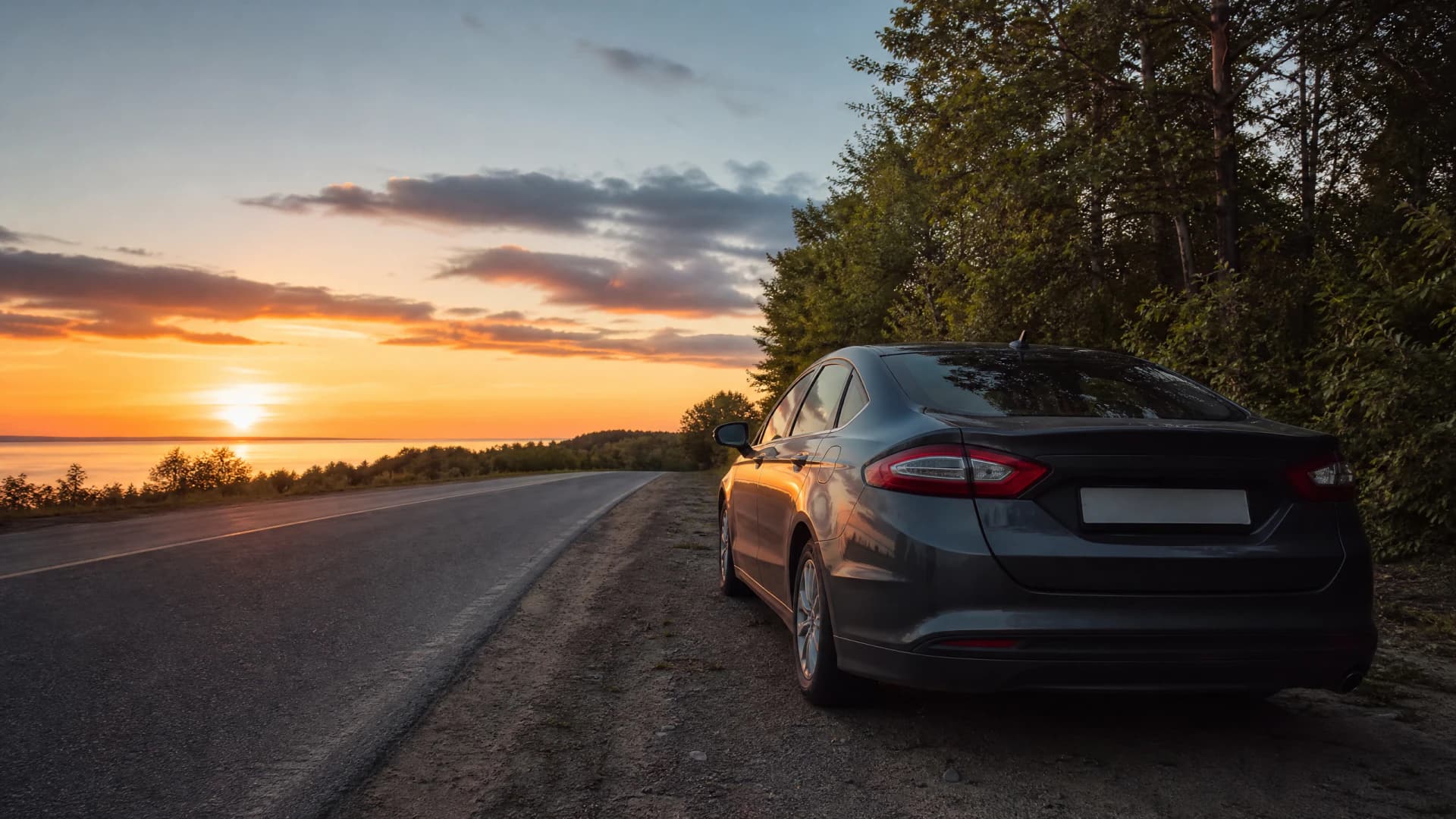
Dropping full coverage on one vehicle in a multi-car household does not lower your liability or PIP premium — those coverages price per driver and per vehicle regardless of whether collision and comprehensive remain.
Related Articles





Household Financial Position and Risk Tolerance
The vehicle value threshold is a starting point, not a mandate. Your household's financial position determines whether dropping coverage makes sense even when the math says it does. The premium buys certainty.
Households insuring multiple vehicles often adopt a tiered approach: keep full coverage on the newest or highest-value cars, drop it on older paid-off vehicles with lower replacement costs. A household with three cars might carry collision and comprehensive on two and liability-only on the third. This structure lowers the total premium while preserving coverage on the vehicles whose loss would hurt most.
Michigan's no-fault PIP requirement means your household already carries mandatory first-party medical coverage. Dropping collision and comprehensive does not leave you exposed to injury costs — it leaves you exposed only to vehicle replacement costs. That distinction matters when evaluating risk tolerance. You're not going uninsured; you're self-insuring the vehicle's physical damage risk.
22.3%
Michigan Uninsured Motorist Rate
Nearly one in four Michigan drivers carries no insurance. Dropping collision removes your ability to file a first-party claim when an uninsured driver totals your vehicle, leaving you to pursue recovery directly from the at-fault driver.
Insurance Research Council, 2023

How Dropping Coverage Affects Your Multi-Car Premium
Removing collision and comprehensive from one vehicle on a multi-car policy lowers your total premium by the amount of those two coverages for that vehicle only. It does not reduce liability, PIP, or any coverage on your other vehicles. Carriers price each vehicle separately for physical damage coverage, so the savings are isolated to the car you modify.
The multi-car discount applies to the policy as a whole, not to individual coverages. Dropping full coverage on one vehicle does not forfeit the discount — you still insure multiple vehicles on one policy, and the discount structure remains intact. What changes is the per-vehicle collision and comprehensive line item.
When to Keep Full Coverage Despite the Math
Three scenarios warrant keeping full coverage even when the vehicle's value sits below the ten-times threshold. First, if you cannot afford to replace the vehicle out of pocket, the premium is worth paying. Second, if the vehicle is driven by a teen or inexperienced driver in your household, collision risk is higher and the coverage pays for itself more quickly. Third, if you live in an area with high theft or weather risk — Michigan's winter storms and urban theft rates both matter — comprehensive coverage remains valuable even on older vehicles.
Carriers writing Michigan multi-car policies include State Farm, Geico, Progressive, Allstate, Farmers, and Auto-Owners. When you're ready to re-evaluate coverage across your household's vehicles, compare quotes with collision and comprehensive removed from the older cars. The premium difference will clarify whether dropping coverage makes financial sense for your household's specific situation.
The Vehicle Value Threshold
Check your current policy declaration page for the collision and comprehensive premium on the vehicle in question. Multiply that annual figure by ten. If the vehicle's actual cash value — not what you paid, but what it would sell for today — sits below that threshold, the math tilts toward dropping coverage. After three years of premiums with no claim, you've paid more than the car is worth.
Michigan-specific consideration: if you financed the vehicle or lease it, the lender requires collision and comprehensive until the loan is satisfied. You cannot drop coverage on a financed car without breaching the loan agreement, and the lender will force-place coverage at a higher cost. This rule applies per vehicle — you can drop full coverage on the paid-off older car in your household while keeping it on the financed newer one.
Get Your Free Quote
Get My Michigan Car Insurance QuoteFrequently Asked Questions
Can I drop full coverage on one car in a multi-car policy and keep it on the others?
Yes. Michigan carriers price collision and comprehensive separately for each vehicle on a multi-car policy. You can remove those coverages from one car while keeping them on others without losing your multi-car discount.
What happens to my PIP coverage when I drop full coverage?
PIP remains mandatory in Michigan regardless of whether you carry collision and comprehensive. Dropping full coverage removes only vehicle repair protection, not injury or liability coverage.
Will my premium drop immediately when I remove collision and comprehensive?
Most carriers apply the change at your next renewal or prorate the refund if you request mid-term removal. Contact your carrier to confirm how they handle mid-term coverage changes on multi-car policies.
Can I add full coverage back later if I drop it now?
Yes. You can add collision and comprehensive at any time by contacting your carrier. The premium will increase to reflect the added coverage, and the carrier may inspect the vehicle before binding coverage.
Does dropping full coverage affect my ability to file a claim for the other cars on my policy?
No. Each vehicle's coverage is independent. Dropping collision and comprehensive on one car does not change coverage or claims eligibility for the other vehicles on your multi-car policy.