
Collision Coverage for Multiple Vehicles — Michigan
Free to compare
The Multi-Car Collision Decision
You own two or more vehicles in Michigan and you're structuring a single policy that covers all of them. The carrier quoted collision coverage as an optional add-on for each car. You need to know whether collision belongs on every vehicle, just the newer or more valuable ones, or whether you can skip it entirely without leaving a gap in your household's protection.
Michigan's no-fault personal injury protection system changes the collision decision. PIP covers medical costs and lost wages after an accident regardless of who caused it and regardless of whether you carry collision coverage. Collision coverage exists solely to repair or replace your vehicle after an at-fault accident or a single-vehicle crash. The decision is purely financial: does the vehicle's replacement cost justify the collision premium, and does that calculation change when you're covering multiple cars on one policy?
“Collision premiums are calculated per vehicle; the multi-car discount does not reduce collision costs the way it reduces liability.”

Find Coverage That Keeps You Legal in Michigan
Get My Michigan Car Insurance Quote$50,000 / $100,000 / $10,000
Michigan Minimum Liability Limits
Michigan requires $50,000 bodily injury per person, $100,000 per accident, and $10,000 property damage. These minimums do not include collision coverage; collision is always optional.
Michigan Secretary of State
What Collision Coverage Actually Protects
Collision coverage pays to repair or replace your vehicle after an at-fault accident or a single-vehicle crash where you hit an object or roll the car. It does not cover theft, vandalism, weather damage, or animal strikes; those fall under comprehensive coverage. Collision applies when you cause the accident or when no other driver is involved.
The coverage pays up to the actual cash value of the vehicle minus your deductible. If repair costs exceed the vehicle's value, the carrier declares it a total loss and pays the cash value. Collision never pays more than the car is worth.
Michigan's no-fault PIP covers your medical bills and lost wages after the accident regardless of fault and regardless of collision coverage. Collision exists only to fix the car. If the vehicle's replacement cost is low enough that you could absorb the loss without financial hardship, collision coverage may cost more over time than self-insuring the vehicle.
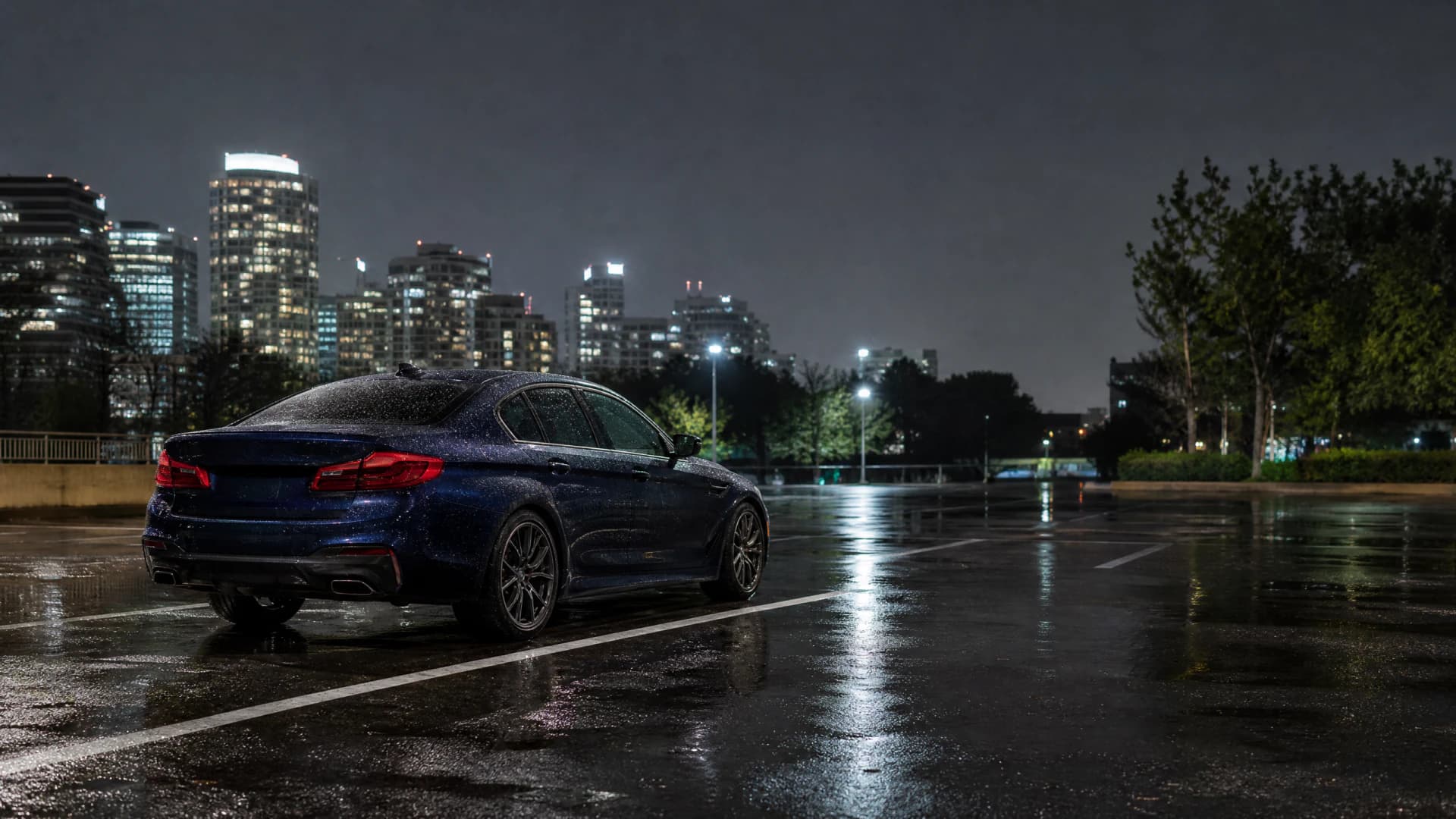
Collision coverage on one vehicle does not extend to the others. Each car on the policy needs its own collision election.
Related Articles



How Multi-Car Policies Affect the Collision Premium
Collision premiums are calculated per vehicle based on the car's value, age, make, model, and your driving record. Adding a second or third vehicle to the policy does not reduce the per-vehicle collision cost the way the multi-car discount reduces liability premiums. Each car's collision premium reflects its own replacement risk.
The multi-car discount applies to liability, PIP, and sometimes comprehensive coverage, but collision premiums remain tied to the individual vehicle. A household with three cars might save 15–20% on liability by combining policies, but collision on each car is priced independently.
This structure creates an opportunity: you can carry collision on the high-value vehicles and drop it on the low-value ones without losing the multi-car discount. The discount applies to the coverages that protect people and other drivers' property; collision protects only your own car, and the decision is made per vehicle.
22.3%
Michigan Uninsured Motorist Rate
Nearly one in four Michigan drivers operates without insurance. Collision coverage protects your vehicle when an uninsured driver causes an accident and cannot pay for your repairs.
Insurance Research Council, 2023

When to Drop Collision on Older Vehicles
A common threshold: when the vehicle's value falls below ten times the annual collision premium, the coverage no longer pays for itself. At that point, self-insuring the vehicle makes more financial sense.
Households with multiple cars can stagger collision coverage based on vehicle age and value. Carry collision on the two newer cars and drop it on the 12-year-old sedan. The older car remains on the policy with liability and PIP; you simply remove the collision line. The multi-car discount stays in place because all vehicles remain on the same policy.
Compare Carriers for Multi-Vehicle Collision Rates
Collision premiums vary significantly by carrier even for the same vehicle and driver profile. When you're insuring multiple vehicles, those per-car differences compound across the policy.
Request quotes from carriers that write multi-car policies in Michigan and compare the collision premium for each vehicle individually. Carriers including State Farm, Geico, Progressive, Allstate, and Farmers all write multi-vehicle policies in Michigan. Ask for itemized per-vehicle breakdowns showing liability, PIP, collision, and comprehensive separately. The total policy premium matters, but the per-vehicle collision cost determines whether the coverage is worth carrying on each car.
Per-Vehicle Collision Analysis
Start with the vehicle's actual cash value. Look up the private-party value using a valuation tool or the carrier's own estimate. Subtract the deductible you would choose—typically $500 or $1,000. The result is the maximum collision payout you would receive. If that amount is less than two years of collision premium, the coverage costs more than the protection it provides.
Financed and leased vehicles almost always require collision coverage in the loan or lease contract. The lender holds a lien on the vehicle and mandates collision to protect their interest. Paid-off vehicles have no such requirement. If you own the car outright and its value is low, dropping collision and banking the premium savings may be the better financial decision.
Get Your Free Quote
Get My Michigan Car Insurance QuoteFrequently Asked Questions
Do I need collision coverage on every car in Michigan?
No. Collision is optional in Michigan and decided separately for each vehicle. Financed or leased cars typically require it; older paid-off cars may not justify the premium. Michigan's no-fault PIP covers medical costs regardless of collision coverage.
Does the multi-car discount apply to collision coverage?
The multi-car discount reduces liability and PIP premiums but does not reduce collision premiums. Collision is priced per vehicle based on the car's value and risk profile, not the number of cars on the policy.
Can I drop collision on one car and keep it on another?
Yes. Each vehicle on the policy has its own collision election. You can carry collision on newer or financed vehicles and drop it on older paid-off cars without losing the multi-car discount.
What happens if I drop collision and then total the car?
You pay out of pocket to replace the vehicle. Collision coverage is the only protection that pays for your car after an at-fault or single-vehicle accident. Michigan's no-fault PIP covers medical costs but does not repair your vehicle.
How do I know if collision coverage is worth the cost?
Compare the vehicle's actual cash value minus your deductible to the annual collision premium. If the net payout is less than two years of premium, the coverage costs more than the protection it provides.
Does Michigan require collision coverage?
No. Michigan requires liability and PIP but does not mandate collision coverage. Lenders and lessors typically require collision on financed or leased vehicles, but the state does not.