
Roadside Assistance on Multi-Car Policies — Michigan
Free to compare
The Per-Vehicle Pricing Reality
You manage a policy covering two or more vehicles in Michigan, and your carrier offers roadside assistance as an optional add-on. The question is whether adding it makes sense when you have multiple cars on the same policy. The answer depends on how the carrier prices the coverage: per policy or per vehicle.
Most carriers in Michigan charge roadside assistance per vehicle, not per policy. That structure changes the math significantly when compared to a standalone roadside membership that covers you in any vehicle you're driving or riding in.
“Roadside assistance through your carrier is vehicle-specific — if the car breaking down does not carry the add-on, you have no coverage, even if another vehicle on the same policy does.”

Find Coverage That Keeps You Legal in Michigan
Get My Michigan Car Insurance Quote$1,326.46
Michigan Annual Auto Expenditure Per Vehicle
Michigan drivers paid an average of $1,326.46 per insured vehicle in 2023, one of the highest state averages in the nation. Adding optional coverages like roadside assistance to multiple vehicles compounds that baseline cost.
NAIC Auto Insurance Database Report 2023
How Carriers Structure Roadside Add-Ons
Roadside assistance through your auto carrier typically covers towing, jump-starts, flat tire changes, lockout service, and fuel delivery. The coverage follows the vehicle, not the driver. If you add it to Vehicle A but not Vehicle B, you have coverage only when driving Vehicle A.
When you add roadside to a multi-car policy, the carrier applies the charge to each vehicle you select. You can choose to add it to all vehicles or only some. If you drive one car daily and the other two sit in the driveway most of the week, you might add roadside only to the primary vehicle. That selective approach keeps the cost lower but leaves you without coverage when driving the other cars.
Some households assume the add-on covers the policyholder in any vehicle. It does not. The coverage is vehicle-specific. If you break down in a car that does not carry the roadside add-on, the carrier will not dispatch a tow truck under that optional coverage.
Carriers writing in Michigan that offer roadside assistance as an optional add-on include State Farm, Progressive, Geico, Allstate, and Farmers. Pricing varies by carrier, but the per-vehicle structure is standard across the market.

Roadside assistance on your auto policy is vehicle-specific. If the car you're driving does not carry the add-on, you have no coverage — even if another vehicle on the same policy does.
Related Articles
Best Car Insurance for Multiple Vehicles MI
7/15/2026

Choosing Car Insurance for Multiple Vehicles
7/15/2026

Cheapest Multi-Car Insurance Michigan
7/15/2026

Rental Reimbursement for Multi-Car Policies
7/15/2026
Cheapest Multi-Car Insurance in Michigan
7/15/2026

Progressive Multi-Car Insurance Michigan
7/15/2026

When Carrier Roadside Makes Sense for Multi-Car Households
If you drive only one or two vehicles regularly and the others are rarely used, adding roadside to the primary vehicles keeps the cost reasonable.
Carrier roadside also makes sense when you value integrated claims handling. A breakdown triggers one call to your carrier, and the tow or service appears on your policy's claim record. Standalone memberships require a separate call to the membership provider, and some households prefer consolidating all vehicle-related services under the auto policy.
Some carriers bundle roadside with other optional coverages at a discount. If your carrier offers a package that includes roadside, rental reimbursement, and gap coverage at a lower combined rate, the per-vehicle roadside cost may drop enough to compete with standalone memberships even across multiple vehicles. Check your carrier's bundled-coverage pricing before deciding.
50/100/10
Michigan Minimum Liability Limits
Michigan requires $50,000 bodily injury per person, $100,000 per accident, and $10,000 property damage. These minimums apply to every vehicle on your policy. Roadside assistance is optional and does not affect your ability to meet state requirements.
Michigan Department of Insurance and Financial Services
The Household Coverage Gap
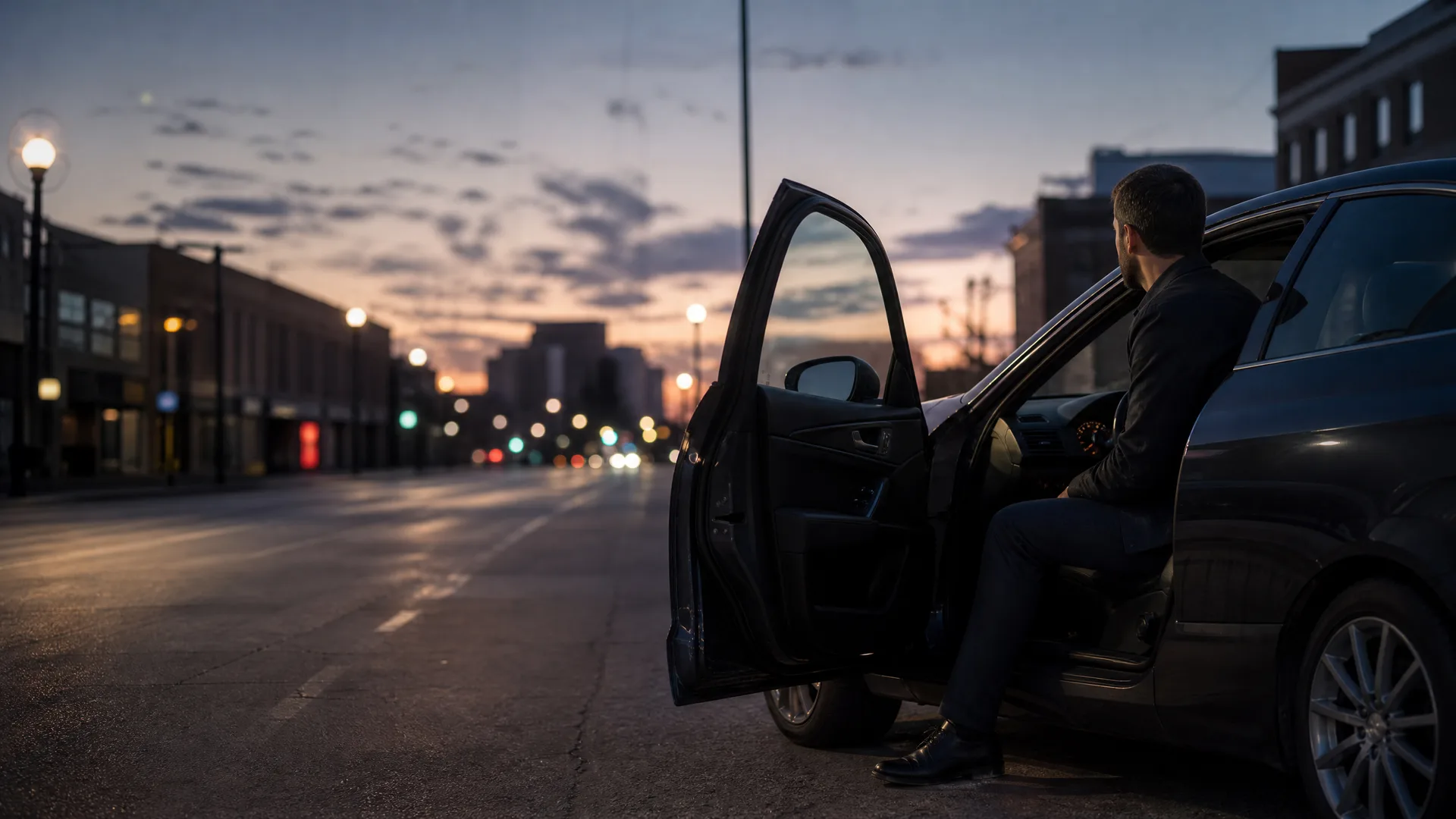
A common failure mode: you add roadside to two of three vehicles, assuming you will always drive one of those two. Then the third car breaks down on the highway, and you discover the carrier will not cover the tow because that vehicle does not carry the add-on. The per-vehicle structure creates coverage gaps unless you add the service to every car or accept that some vehicles have no roadside protection.
Standalone memberships eliminate that gap. The membership follows the person, not the vehicle. If you hold a AAA membership and any car in your household breaks down while you are driving it, you have coverage. That portability is the structural advantage standalone memberships offer multi-car households.
Compare the Total Annual Cost Before Adding
Calculate the annual cost of adding roadside to every vehicle you want covered, then compare that total to the cost of a standalone membership.
Check whether your carrier offers a family or household roadside plan that covers all vehicles on the policy for a single flat fee. Some carriers in other states offer that structure; it is rare in Michigan but worth asking about. If your carrier does offer a flat household rate, compare it to both the per-vehicle rate and the standalone membership cost.
Review your current driving patterns. If one vehicle sits unused for months at a time, paying for roadside on that car wastes money. Add the coverage only to vehicles you drive regularly, or choose a standalone membership that covers you regardless of which car you are in. The decision is structural: per-vehicle carrier add-ons work best for households with one or two actively driven cars; standalone memberships work best for households with three or more vehicles or households where multiple drivers share the cars.
Comparing Carrier Add-Ons to Standalone Memberships
The AAA membership costs less and follows you into a rental car, a borrowed vehicle, or a car you do not own.
Carrier add-ons often include higher towing mileage limits than entry-level AAA, and claims do not require a separate membership card or phone call to a third party. You call your carrier, they dispatch the tow, and the service is billed as part of your policy. For households with one or two vehicles, that convenience and the integrated billing can justify the carrier route. For households with three or more vehicles, the per-vehicle charge usually exceeds the cost of a standalone membership that covers the driver everywhere.
Get Your Free Quote
Get My Michigan Car Insurance QuoteFrequently Asked Questions
Does roadside assistance on my Michigan auto policy cover me in any vehicle I drive?
No. Carrier roadside assistance is vehicle-specific. The coverage applies only to the vehicles on your policy that carry the add-on. If you drive a car that does not have roadside included, you have no coverage for that breakdown.
How much does roadside assistance cost when added to multiple vehicles in Michigan?
That total often exceeds the cost of a standalone AAA membership covering the household.
Can I add roadside assistance to only some of the vehicles on my Michigan policy?
Yes. You can select which vehicles carry the add-on. If you drive one car daily and the others rarely, you might add roadside only to the primary vehicle. The coverage applies only to the vehicles you pay to include.
Is a standalone roadside membership better than adding it to my multi-car policy?
It depends on vehicle count and driving patterns. Standalone memberships cover you in any vehicle you drive or ride in, including rentals and borrowed cars. If you insure three or more vehicles, a standalone membership usually costs less than adding per-vehicle coverage to every car.
Does adding roadside assistance to my Michigan policy affect my liability coverage?
No. Roadside assistance is an optional add-on and does not change your liability limits or your ability to meet Michigan's $50,000/$100,000/$10,000 minimum requirements. It is a separate service covering towing and breakdowns.
What happens if I break down in a vehicle that does not have roadside assistance on my policy?
You pay out of pocket for the tow or service, or you call a standalone roadside provider if you hold a separate membership. The carrier will not cover the breakdown under your policy's roadside add-on if that specific vehicle does not carry the coverage.