
Rental Reimbursement Coverage — Michigan
Free to compare
Why Multi-Car Households Face a Different Rental Coverage Decision
You manage a Michigan auto policy covering two, three, or four vehicles. Your carrier offers rental reimbursement coverage, and you need to decide whether to add it. The decision is different for you than for a single-car household because rental reimbursement in Michigan is priced and applied per vehicle, not per policy. Adding it to one car does not cover the others.
Most multi-car households assume they can skip rental coverage entirely because they have backup vehicles. That assumption holds when a covered loss sidelines one car for a few days. It breaks down when a collision or comprehensive claim triggers a two-week repair window and your household loses access to the vehicle you rely on for commuting, school runs, or work trips that the remaining cars cannot absorb.
“Rental reimbursement attaches to the specific vehicle, not the policy — adding it to one car does not cover the others.”

Find Coverage That Keeps You Legal in Michigan
Get My Michigan Car Insurance Quote22.3%
Michigan Uninsured Motorist Rate
Michigan's uninsured motorist rate is among the highest in the nation. A not-at-fault collision with an uninsured driver leaves you waiting on your own collision coverage to pay for repairs, and rental reimbursement becomes the only way to maintain mobility during that window.
Insurance Information Institute, 2023
What Rental Reimbursement Actually Covers on a Multi-Vehicle Policy
Rental reimbursement pays a fixed daily amount toward a rental car when a covered loss makes your insured vehicle undrivable. The coverage attaches to the specific vehicle listed on the policy, not to the policy itself. If you add rental reimbursement to your 2022 sedan but not to your 2019 SUV, a collision claim on the SUV does not trigger rental coverage.
The daily limit and total claim cap vary by carrier and the tier you select. The coverage activates when a covered peril — collision, comprehensive, fire, theft — renders the vehicle inoperable and remains active until repairs are complete or the claim settles as a total loss.
Rental reimbursement does not cover routine maintenance, mechanical breakdown, or wear-and-tear repairs unless you carry separate mechanical breakdown insurance. It does not cover a rental while you wait for parts on a non-covered repair. The loss must be a covered claim under your collision or comprehensive coverage.
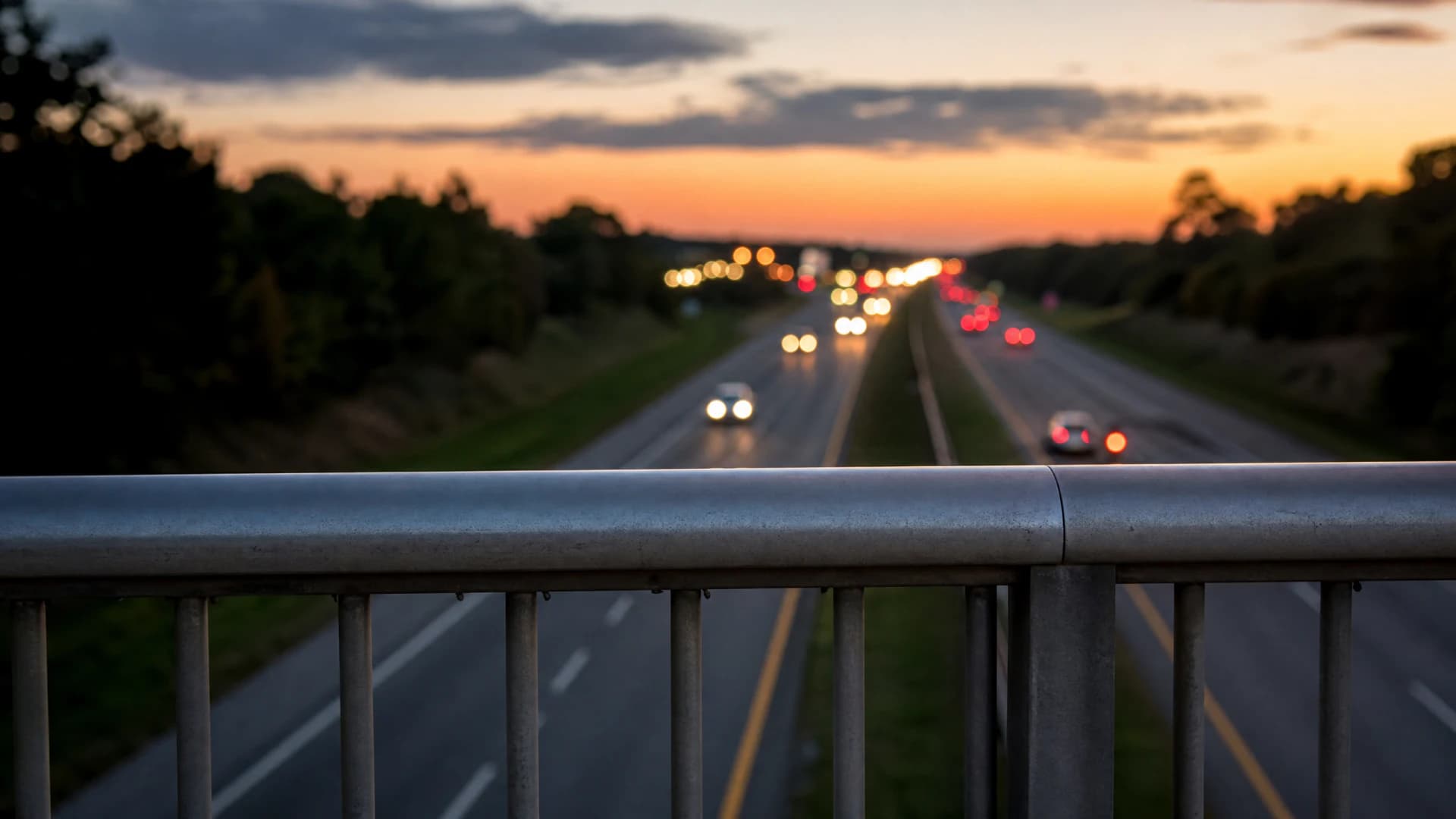
Rental reimbursement is per-vehicle. Adding it to one car on your Michigan policy does not extend coverage to the others.
Related Articles
Best Car Insurance for Multiple Vehicles MI
7/15/2026
Roadside Assistance Multi-Car Policy Michigan
7/15/2026

Optional Car Insurance Worth It Michigan
7/15/2026

Michigan Multi-Car Coverage Requirements
7/15/2026

Collision Coverage for Multiple Cars in MI
7/15/2026

Cheapest Multi-Car Insurance Michigan
7/15/2026

How Michigan No-Fault and Uninsured Motorist Rates Change the Calculation
Michigan operates under a no-fault system with optional personal injury protection levels since the 2019 reform. Your collision and comprehensive coverage still govern vehicle repairs, and rental reimbursement still triggers when those coverages pay a claim. The no-fault structure does not change when rental coverage activates, but Michigan's high uninsured motorist rate does.
When an uninsured driver hits your car, you file a collision claim against your own policy. Your carrier pays for repairs minus your deductible, and rental reimbursement — if you carry it — covers the rental. Without rental coverage, you wait out the repair window using your remaining household vehicles or paying out-of-pocket for a rental. Michigan's 22.3% uninsured rate means roughly one in five at-fault drivers cannot be pursued for rental costs, leaving your own coverage as the only fallback.
Households with multiple vehicles often assume they can absorb a two-week loss without rental coverage. That assumption holds until the collision happens during a week when both remaining cars are committed to work commutes, and the household suddenly needs a fourth vehicle. Rental reimbursement on the most-used car in your fleet hedges against that scenario.
$50,000 / $100,000 / $10,000
Michigan Minimum Liability Limits
Michigan requires $50,000 bodily injury per person, $100,000 per accident, and $10,000 property damage. These minimums govern third-party claims but do not affect your own rental reimbursement decision, which depends on your collision and comprehensive elections.
Michigan Department of Insurance and Financial Services
Cost Structure and Where Rental Reimbursement Fits on a Multi-Car Policy
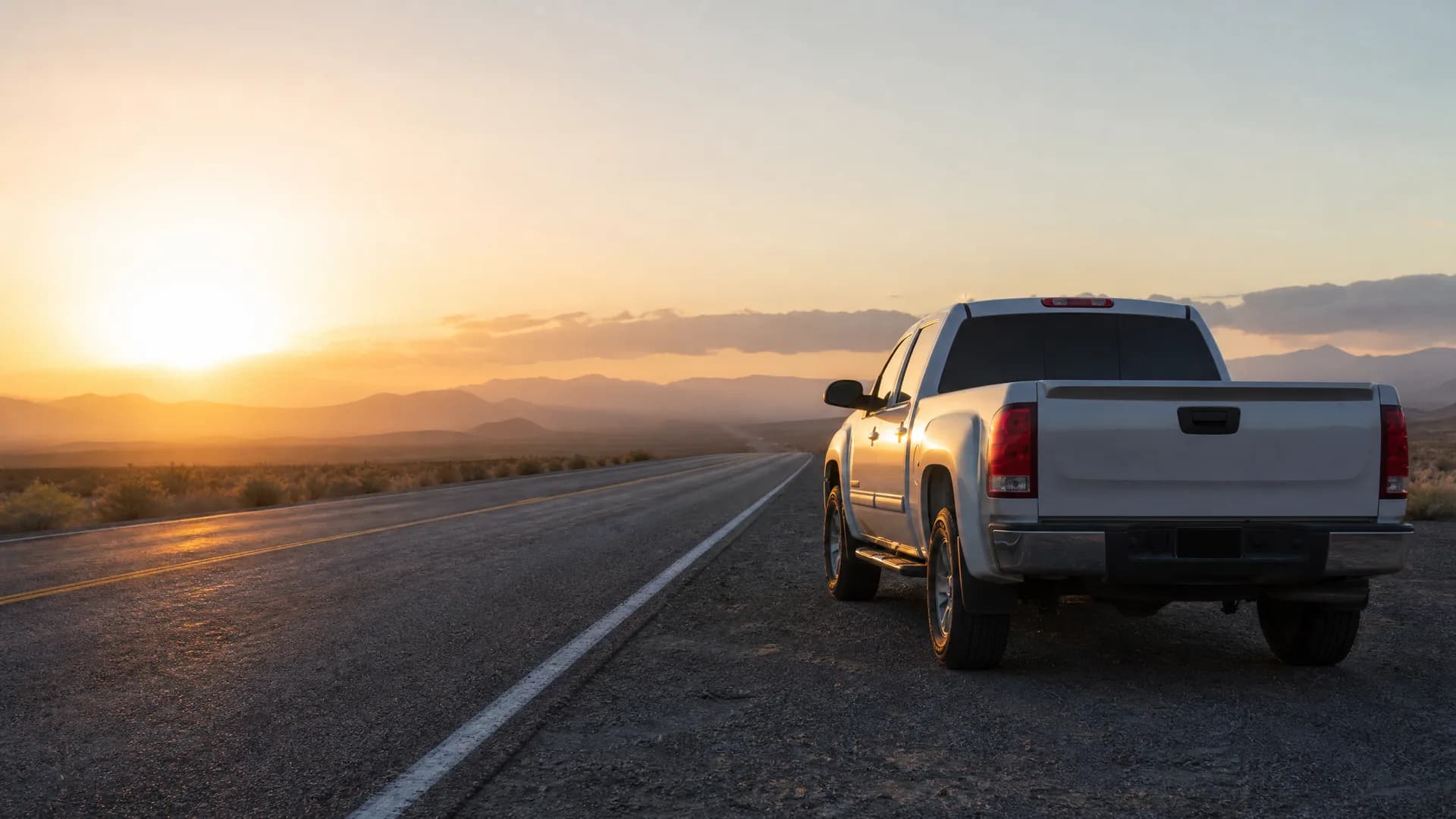
Rental reimbursement is priced per vehicle and typically adds a modest annual cost when bundled with collision and comprehensive coverage. The exact amount depends on the daily limit and total claim cap you select.
Carriers writing multi-vehicle policies in Michigan — including Progressive, GEICO, State Farm, Allstate, and Farmers — price rental reimbursement as an optional endorsement added at the vehicle level. You can add it to your primary commuter vehicle and skip it on your weekend car. The per-vehicle structure gives you control over where the coverage applies, but it also means you pay separately for each vehicle you want covered.
When to Add Rental Coverage and When to Skip It
Add rental reimbursement to the vehicle your household cannot do without for more than a few days. That is typically your primary commuter car, the vehicle used for school runs, or the car that covers a route no other household vehicle can absorb. If losing access to that car for two weeks creates a mobility crisis, rental reimbursement on that specific vehicle is worth the added premium.
Skip rental coverage on vehicles your household can easily replace with another car on the policy. A third or fourth vehicle used for errands, weekend trips, or as a backup does not justify the cost. Skip it on rarely-driven cars, on vehicles you plan to replace within a year, and on any car where a two-week repair window creates no scheduling conflict. Compare the annual cost of the endorsement against the out-of-pocket cost of a two-week rental if you need one. If the break-even point is more than three years and you have never filed a collision or comprehensive claim, the coverage may not pencil.
Which Vehicles on Your Policy Actually Need Rental Coverage
Start with the vehicle you rely on for fixed-schedule trips: commuting to work, driving children to school, or covering a route no other household car can absorb. If that vehicle goes into the shop for two weeks and your remaining cars are already spoken for, rental reimbursement on that specific vehicle keeps your household mobile. Households with three or four vehicles often find they can rotate coverage across cars when one is down, but that flexibility disappears when the sidelined vehicle is the only one configured for a specific need — towing capacity, seating for six, or all-wheel drive for winter commuting.
Consider repair likelihood and vehicle age. Older vehicles with higher mileage face longer repair windows when parts must be sourced or when body shops prioritize newer models. A 2015 vehicle with 120,000 miles may spend three weeks in the shop after a deer strike; a 2023 model with OEM parts availability may be back in five days. Rental reimbursement on the older vehicle hedges against the extended downtime. Conversely, a rarely-driven third car used for errands twice a week does not justify the added premium — losing access to it for two weeks creates no mobility gap.
Get Your Free Quote
Get My Michigan Car Insurance QuoteFrequently Asked Questions
Does rental reimbursement on one vehicle cover all cars on my Michigan policy?
No. Rental reimbursement in Michigan is priced and applied per vehicle. If you add it to your sedan but not your SUV, a collision claim on the SUV does not trigger rental coverage. You must add the endorsement to each vehicle you want covered.
How long does rental reimbursement pay for a rental car in Michigan?
The coverage remains active until repairs are complete or the claim settles as a total loss, whichever comes first.
Does rental reimbursement cover a rental while I wait for parts on a non-covered repair?
No. Rental reimbursement activates only when a covered peril under your collision or comprehensive coverage renders the vehicle undrivable. It does not cover routine maintenance, mechanical breakdown, or repairs not covered by your policy.
Should I add rental reimbursement to every car on my multi-vehicle Michigan policy?
Not necessarily. Add it to the vehicle your household cannot do without for more than a few days — typically your primary commuter car. Skip it on rarely-driven vehicles or cars your household can easily replace with another vehicle on the policy during a repair window.
What happens if an uninsured driver hits my car and I do not have rental reimbursement?
You file a collision claim against your own policy, pay your deductible, and wait for repairs. Without rental reimbursement, you cover rental costs out-of-pocket or use your remaining household vehicles. Michigan's 22.3% uninsured motorist rate makes this scenario common.