
Uninsured Motorist Coverage — Michigan
Free to compare
The Optional Coverage Gap
You're structuring coverage for two or three vehicles in Michigan and noticed that uninsured motorist coverage appears as optional on every quote. The state doesn't mandate it. Your carrier offers it, but doesn't require you to buy it. You're trying to figure out whether skipping it saves enough to justify the risk across multiple cars.
Michigan is one of the few states where uninsured motorist coverage remains entirely optional despite a 22.3% uninsured driver rate — more than one in five drivers on the road carries no insurance at all. That structural reality creates a coverage gap most households don't recognize until an uninsured driver hits one of their vehicles and they discover their policy won't cover the damage or injuries without the optional coverage they declined.
“More than one in five Michigan drivers operates without insurance, and declining uninsured motorist coverage leaves every vehicle on your policy exposed with no fallback.”

Find Coverage That Keeps You Legal in Michigan
Get My Michigan Car Insurance Quote22.3%
Michigan Uninsured Driver Rate
More than one in five Michigan drivers operates without insurance, one of the highest uninsured rates in the nation. When an uninsured driver causes an accident, your policy covers the loss only if you purchased optional uninsured motorist coverage.
Insurance Research Council, 2023
What Uninsured Motorist Coverage Actually Protects
Uninsured motorist coverage pays for injuries and vehicle damage when an at-fault driver has no insurance. It steps in where the other driver's liability policy should have paid but doesn't exist. The coverage splits into two components: uninsured motorist bodily injury (UM/UMB) covers medical bills, lost wages, and injury-related expenses; uninsured motorist property damage (UMPD) covers vehicle repair or replacement.
Michigan's no-fault system already provides personal injury protection (PIP) that covers your own medical expenses regardless of fault, which reduces the urgency of UM bodily injury for some households. But PIP doesn't cover vehicle damage, and it doesn't cover the gap between your medical costs and what you can recover from an at-fault uninsured driver. UMPD becomes the primary protection for your vehicles when an uninsured driver causes the collision.
For households insuring multiple vehicles, the calculation shifts. Each vehicle on your policy is exposed to the same 22.3% uninsured driver rate every time it's on the road. A household with three cars faces three separate exposure windows, and declining uninsured motorist coverage leaves all three vehicles unprotected in the same structural gap.
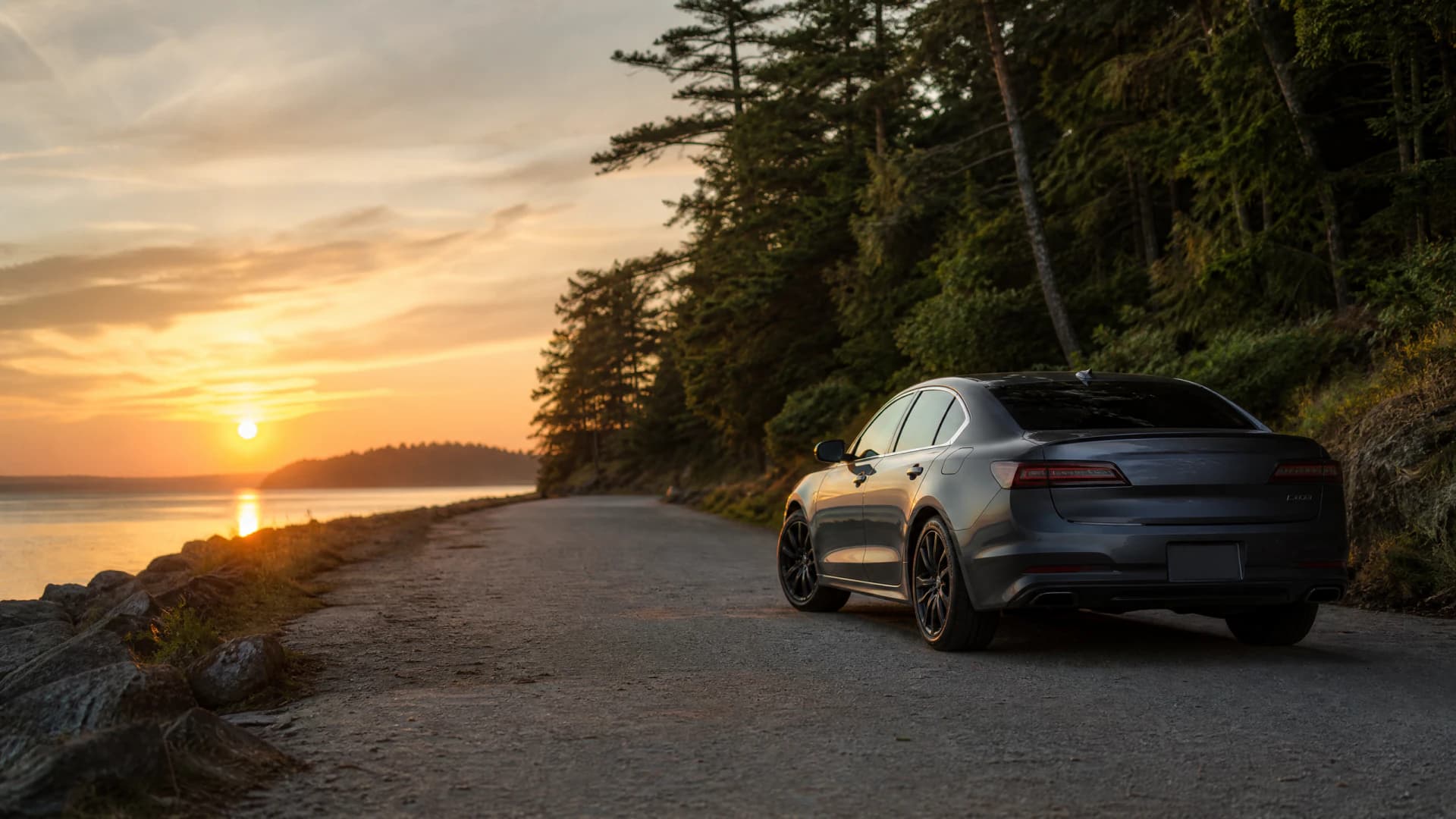
Michigan doesn't require uninsured motorist coverage, so declining it at quote time leaves every vehicle on your policy exposed to uninsured drivers with no fallback protection.
Related Articles


When Declining the Coverage Becomes Expensive
An uninsured driver rear-ends your vehicle at a stoplight and flees the scene. Your collision coverage pays for the vehicle damage minus your deductible, but you're out the deductible amount with no one to recover it from. If you didn't carry collision coverage because the vehicle is older and you decided to drop it, you're out the entire repair cost. Uninsured motorist property damage would have covered the loss without touching your collision coverage or forcing you to pay the deductible.
The failure mode hits harder when the collision involves injuries. Michigan's no-fault PIP covers your medical bills, but it doesn't cover non-economic damages like pain and suffering, and it doesn't cover the income loss gap if your injuries exceed your PIP limits. Without UM bodily injury, you have no path to recover those losses from an at-fault uninsured driver. You carry the financial consequence of someone else's decision not to insure.
For a household with multiple vehicles, the exposure multiplies with every trip. A family with three cars and three drivers faces three separate chances of encountering an uninsured driver in any given week. Declining uninsured motorist coverage to save on the premium trades that recurring exposure for a one-time reduction in cost. The math favors coverage when the household's total vehicle value and injury exposure are weighed against Michigan's 22.3% uninsured rate.
$50,000 / $100,000 / $10,000
Michigan Minimum Liability Limits
Michigan requires $50,000 bodily injury per person, $100,000 per accident, and $10,000 property damage. Uninsured drivers carry none of this, leaving you to cover the loss yourself unless you purchased optional uninsured motorist coverage.
Michigan Department of Insurance and Financial Services
Structuring the Coverage for Your Household
When you request quotes for multiple vehicles, uninsured motorist coverage appears as a line item you can accept or decline. Most Michigan carriers offer it in tandem with underinsured motorist coverage, which protects you when an at-fault driver carries liability limits lower than your damages. The two coverages typically share the same limits and appear as a combined premium addition.
Some carriers allow you to decline UMPD while keeping UM bodily injury, or vice versa. If your vehicles are older and you've already dropped collision and comprehensive, adding UMPD gives you a fallback for uninsured-driver damage without reinstating full collision coverage. If your household carries high PIP limits and you're less concerned about injury gaps, you might prioritize UMPD over UM bodily injury. The coverage is modular; you don't have to take both components if your household's risk profile favors one over the other.
Compare Carriers That Write Multi-Vehicle Michigan Policies
Uninsured motorist coverage pricing varies by carrier, and the variation widens when you're insuring multiple vehicles. Some carriers price the coverage as a small percentage of your liability premium; others use flat per-vehicle additions that scale with vehicle count. The only way to see the actual cost for your household is to request quotes from carriers writing Michigan multi-vehicle policies with uninsured motorist coverage included and compare the line-item addition against the same quote with the coverage declined.
Carriers writing Michigan multi-vehicle policies include State Farm, GEICO, Progressive, Allstate, Farmers, Auto-Owners, Liberty Mutual, Nationwide, and Travelers. Request quotes with uninsured motorist coverage at limits matching your liability limits, then compare the per-vehicle cost across carriers. The household that saves by declining the coverage on one carrier's quote might find the coverage costs less than the savings on another carrier's base rate. Start with quotes that include the coverage and work backward from there.
How the Coverage Applies Across Multiple Vehicles
Most carriers structure uninsured motorist coverage with per-person and per-accident limits that apply regardless of how many vehicles you insure on the same policy. The per-accident cap doesn't multiply by the number of cars you own. UMPD typically carries a separate per-accident limit — often $50,000 or $100,000 — that covers vehicle damage in a single collision.
This structure means the coverage cost doesn't scale linearly with vehicle count the way liability does. Adding uninsured motorist coverage to a three-car policy costs more than adding it to a one-car policy, but not three times more, because the per-accident limits remain constant. Carriers price the coverage based on the household's total exposure and the likelihood of a claim, not on a per-vehicle multiplication. For multi-vehicle households, that makes the per-vehicle cost of uninsured motorist protection lower than it appears at first glance.
Get Your Free Quote
Get My Michigan Car Insurance QuoteFrequently Asked Questions
Does Michigan require uninsured motorist coverage?
No. Michigan does not mandate uninsured motorist coverage. Carriers must offer it, but you can decline it when structuring your policy. Given Michigan's 22.3% uninsured driver rate, most multi-vehicle households choose to add it despite the optional status.
What does uninsured motorist property damage cover in Michigan?
Uninsured motorist property damage (UMPD) pays for vehicle repair or replacement when an at-fault driver has no insurance. It covers the loss without requiring you to use your collision coverage or pay your collision deductible. UMPD is especially useful for older vehicles where you've dropped collision to save on premiums.
How does uninsured motorist coverage work with Michigan no-fault PIP?
Michigan's personal injury protection (PIP) covers your medical bills regardless of fault, which reduces the need for uninsured motorist bodily injury in some cases. But PIP doesn't cover vehicle damage, non-economic damages like pain and suffering, or income loss beyond your PIP limits. Uninsured motorist coverage fills those gaps when an at-fault driver has no insurance.
Does uninsured motorist coverage cost more for multiple vehicles?
Uninsured motorist coverage costs more when you insure multiple vehicles, but not proportionally. The coverage applies per accident with shared limits across all vehicles on the policy, so the per-vehicle cost decreases as you add cars. The total premium increase is less than double when you go from one car to two, and less than triple when you add a third.
Can I add uninsured motorist coverage to an existing Michigan policy?
Yes. You can add uninsured motorist coverage to an existing multi-vehicle Michigan policy at any time by contacting your carrier. The coverage takes effect immediately or on your next renewal, depending on the carrier's underwriting rules. Adding it mid-term may trigger a pro-rated premium adjustment for the remainder of your policy period.
What limits should I choose for uninsured motorist coverage?
Most Michigan households choose uninsured motorist limits that match their liability limits. This ensures the protection you'd expect from an at-fault driver's policy is available even when that driver has no insurance.
Does uninsured motorist coverage apply to hit-and-run accidents in Michigan?
Yes. Uninsured motorist coverage applies when the at-fault driver flees the scene and cannot be identified. UMPD covers vehicle damage, and UM bodily injury covers injuries, just as if the driver had been identified and found to have no insurance. Some carriers require a police report to process the claim.